

So what is it with Göbekli Tepe? Why travel all this way? Was it worth it?
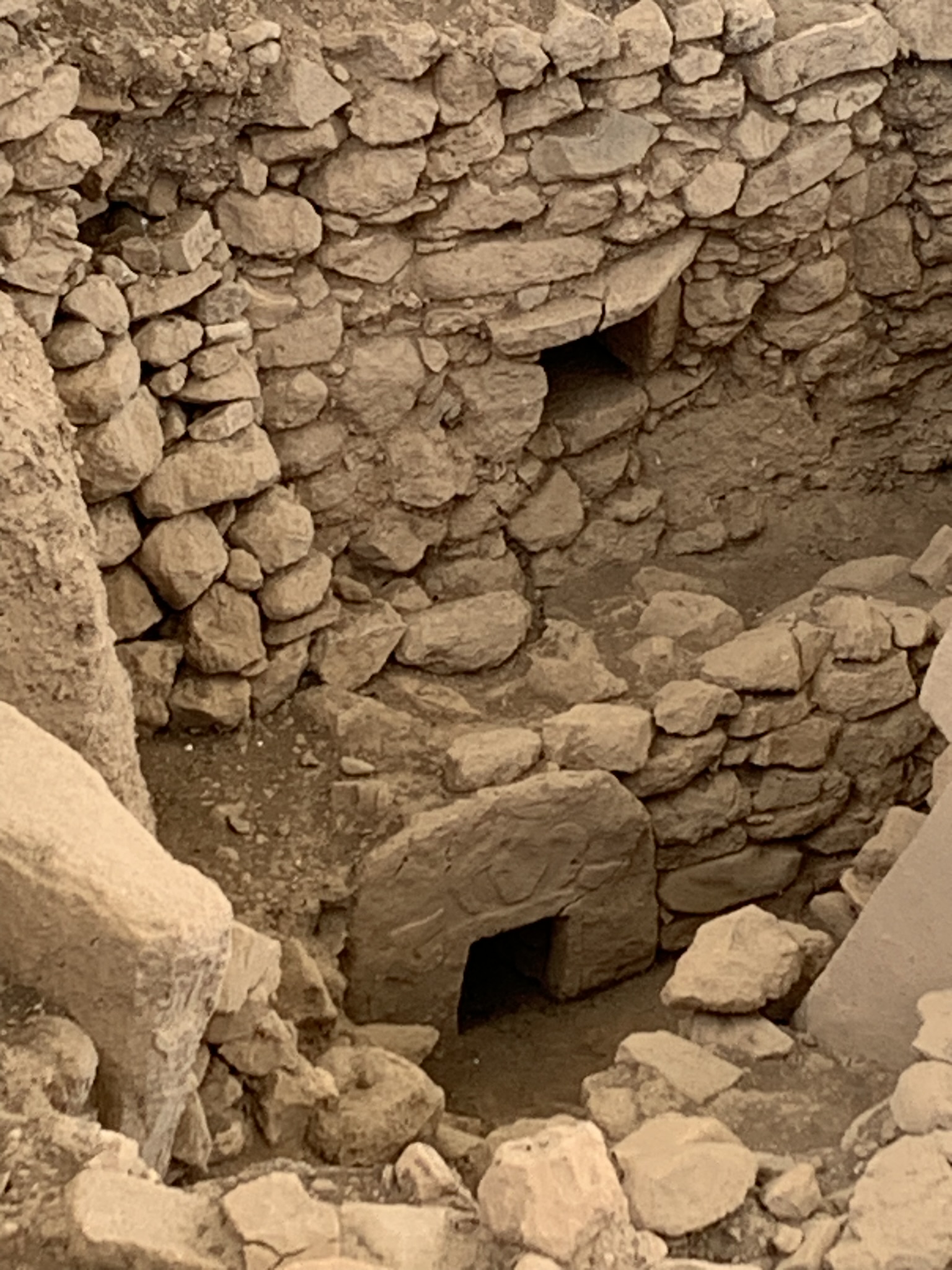
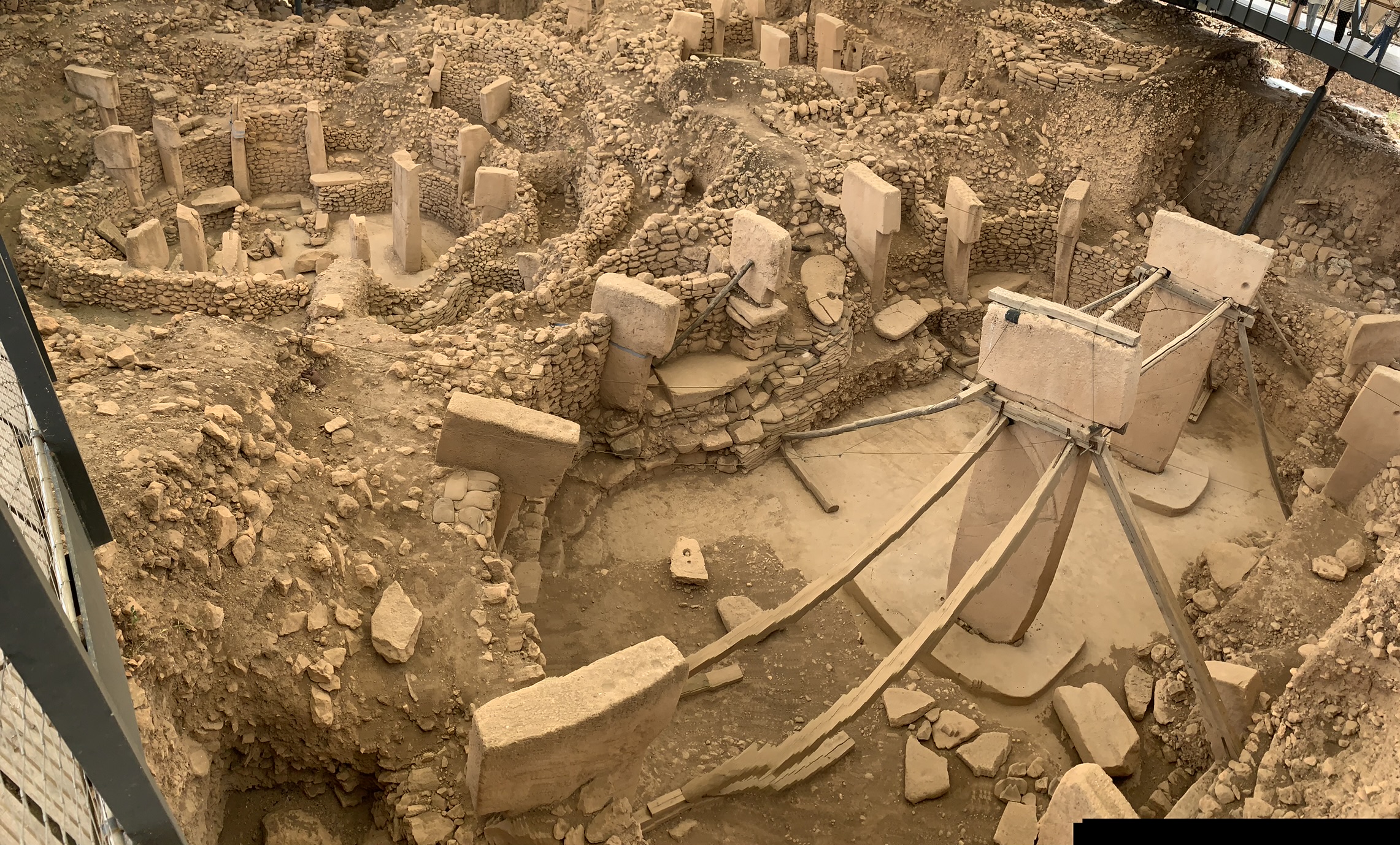
From our base in Şanlıurfa (see part 4) we headed out to Göbekli Tepe. What a place! It’s all to do with the advent of religion. It was always presumed that the move from hunter-gatherer societies to settled agriculture brought about religious beliefs. And then came Göbekli Tepe. Dated to 11000-12,500 years ago, this presents as the oldest religious site in the world. I know this: I came away with a hoodie that says as much under a picture of it. It is a series of circles of megalithic T-shaped pillars, stylised human figures aligned astronomically and decorated in high and low-relief carvings. It was buried deliberately and archaeologists have been able to carbon-date organic material from the spoil, as well as from charcoal remains of a fire under one of the collapsed pillars. But here’s the thing: this provides a date for when the site was buried, not when it was built. Even this predates the date given for the pyramids of Giza by some 5000 years, and Stonehenge by 7000 years. There are marble-smooth plinths and the far more crude walls between some of the pillars cover some of the reliefs so are obviously of a later date than the megaliths. These walls must have been in place when the site was buried. So how much older than the wall-builders are the T pillars?
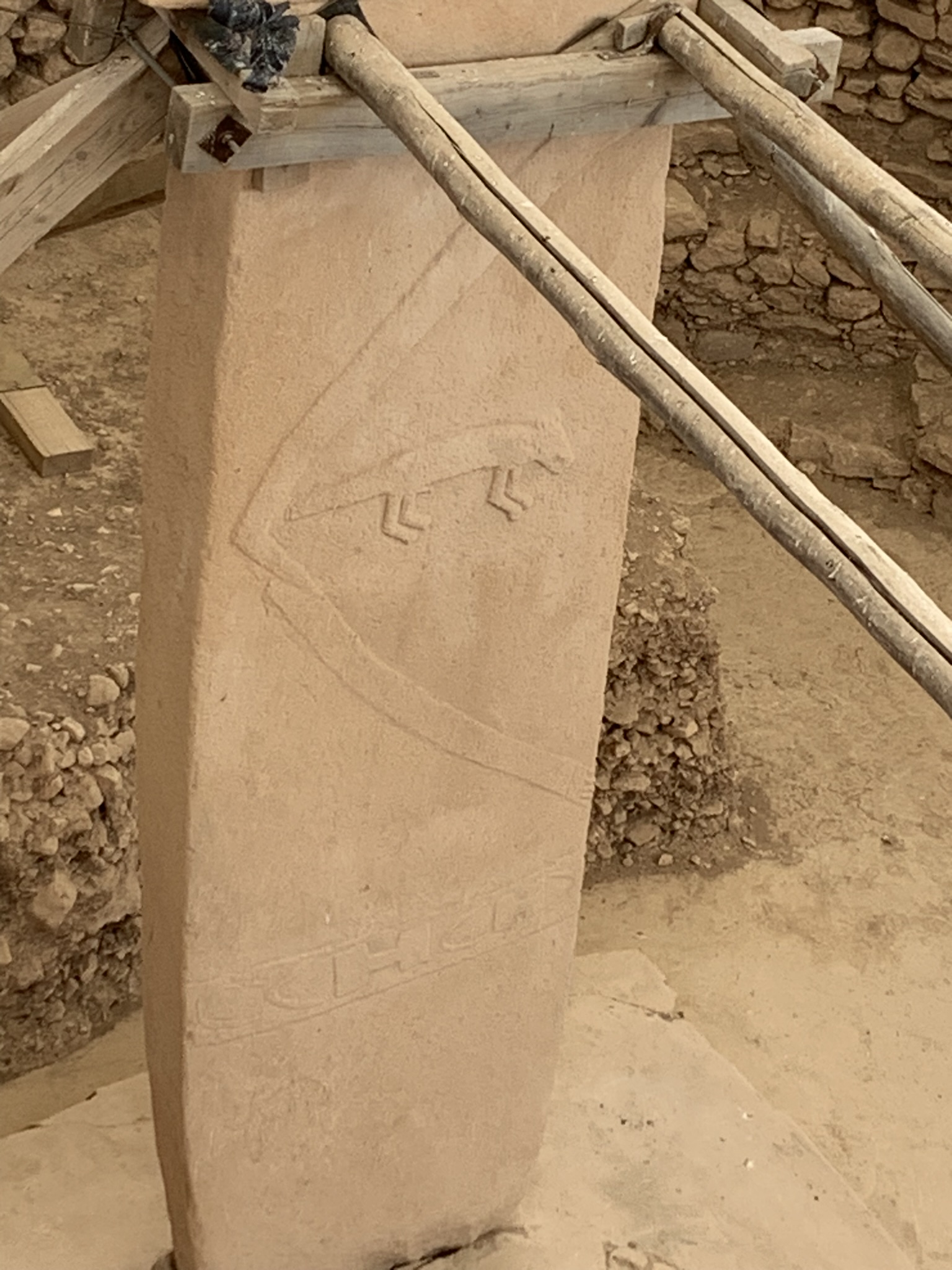
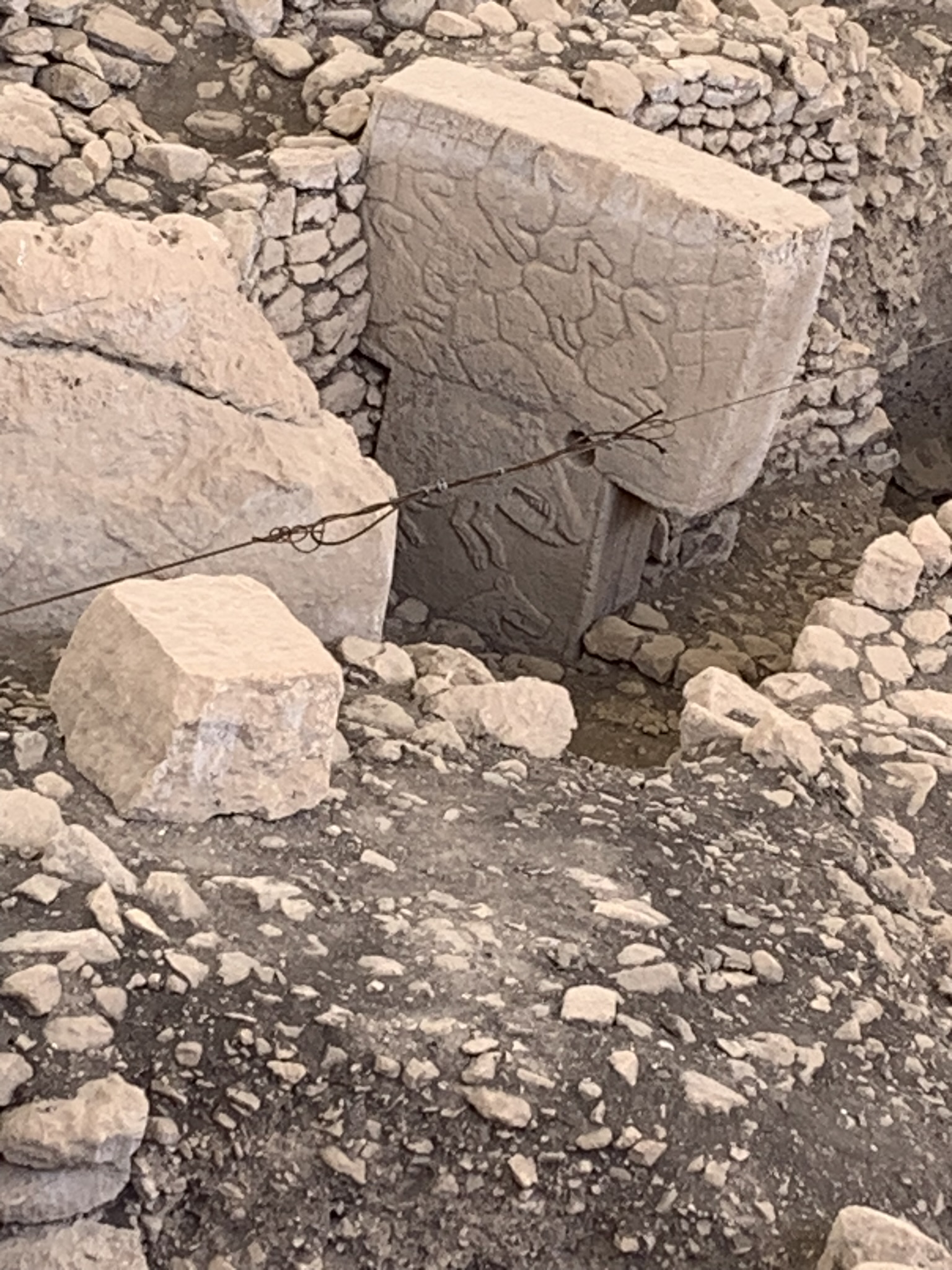
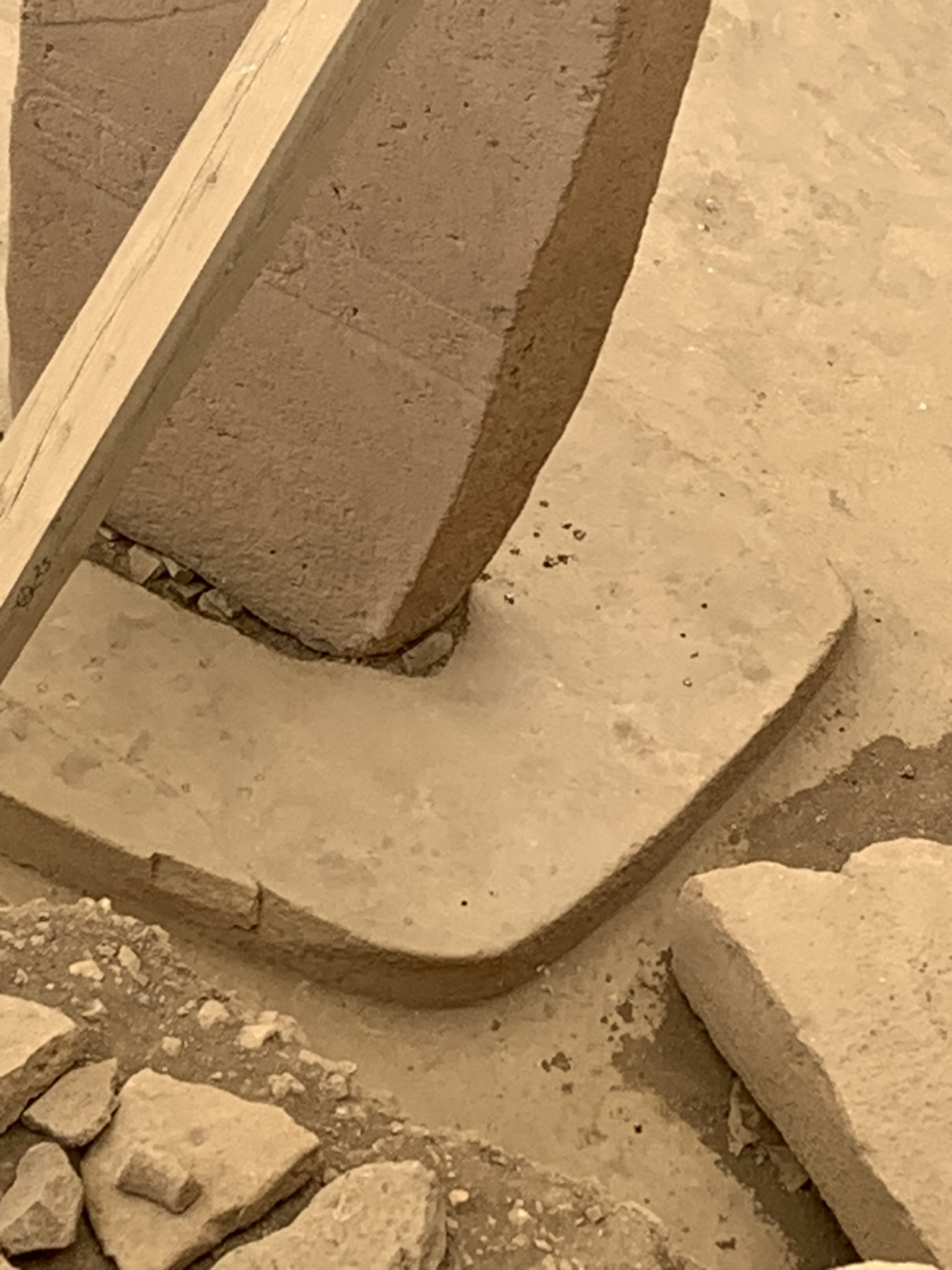


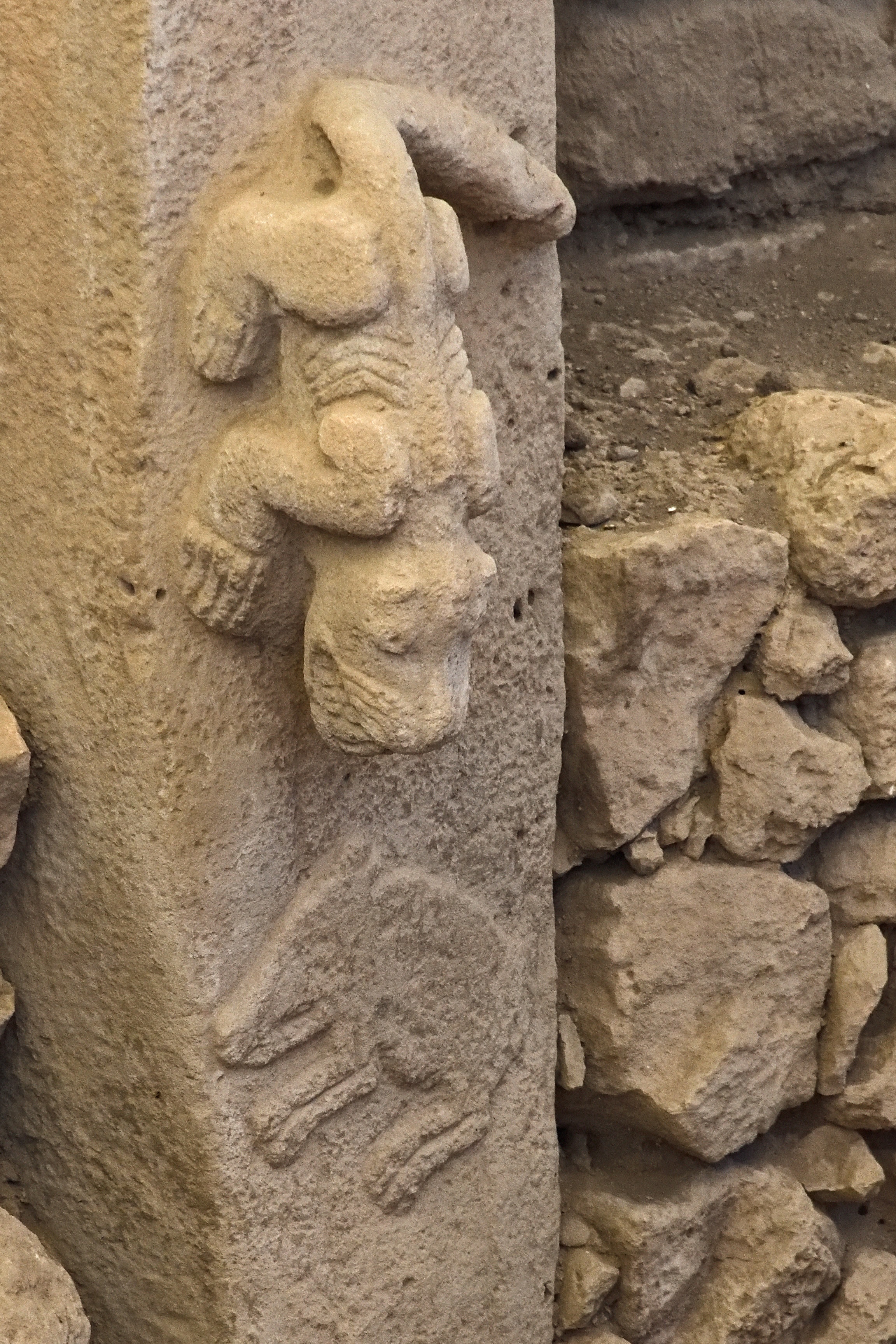
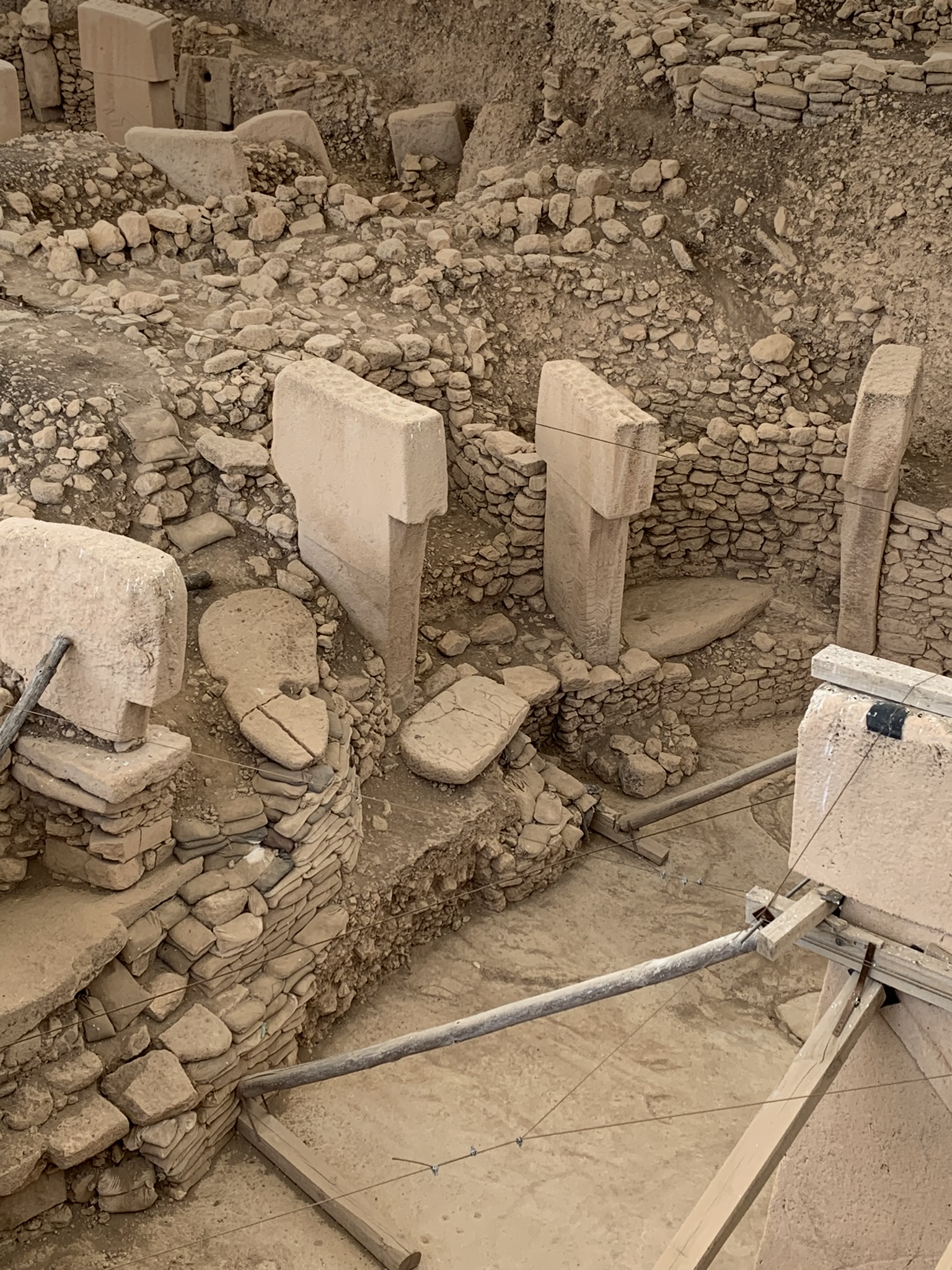


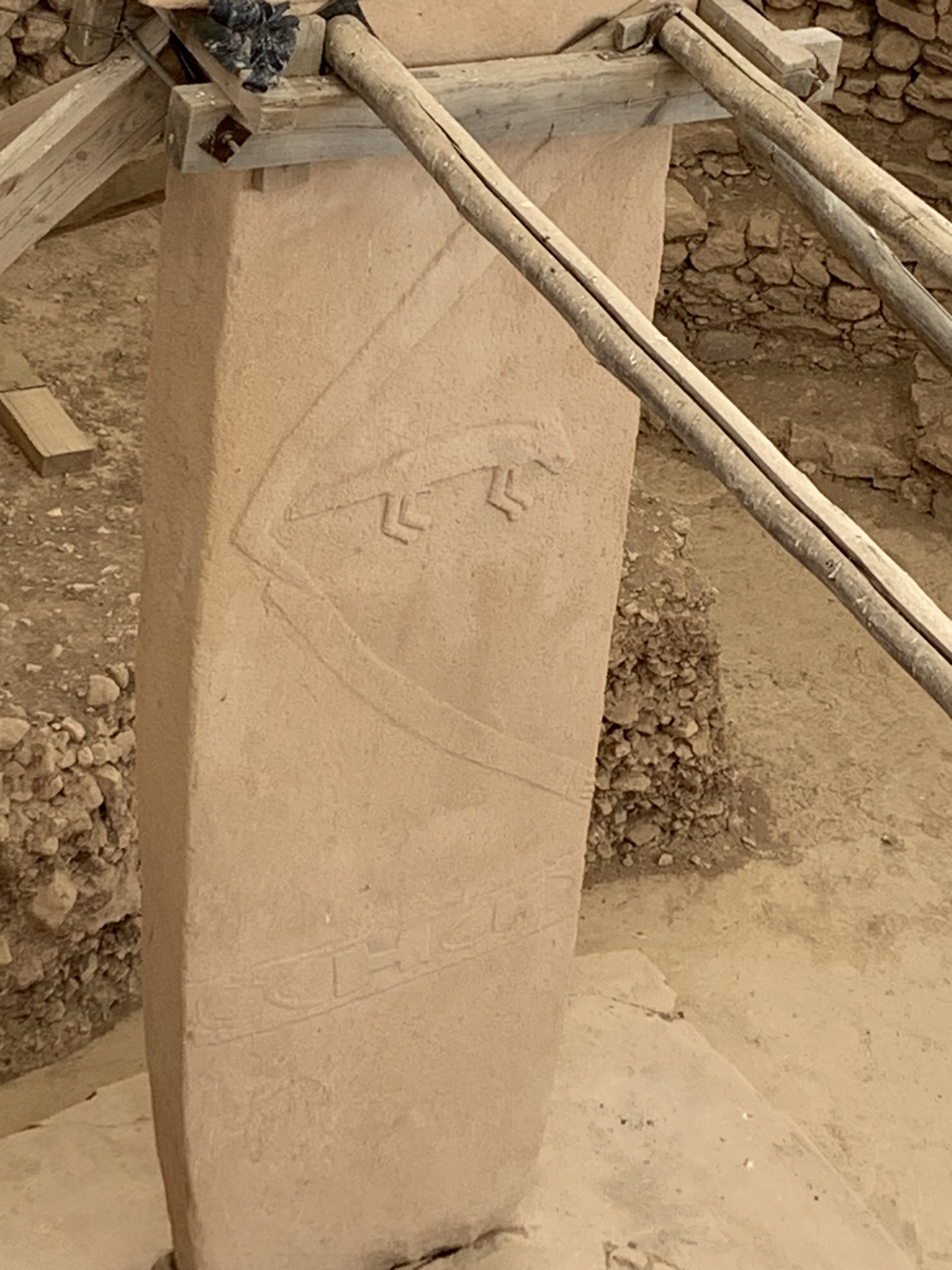
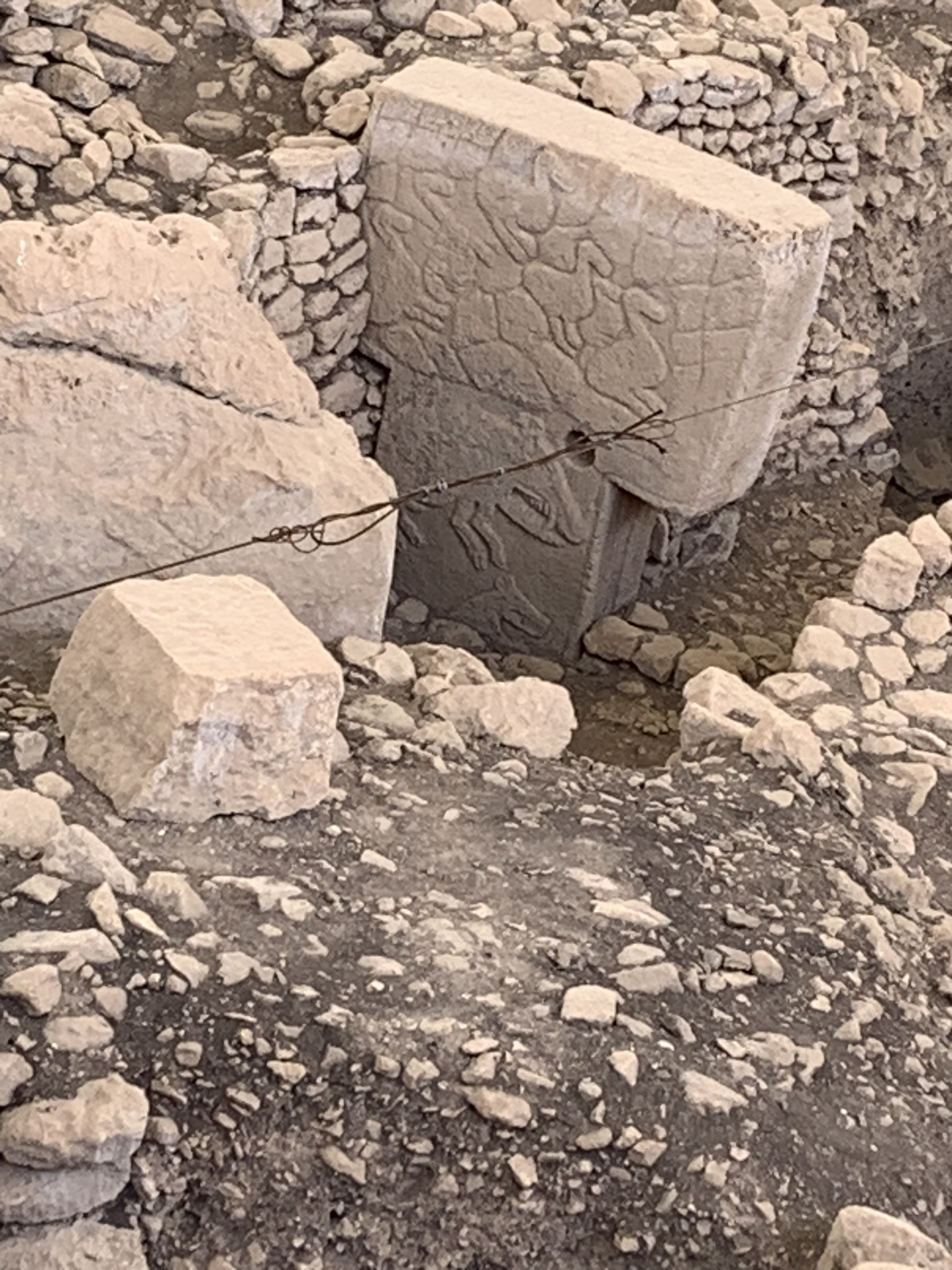
This is where writers such as Graham Hancock come in to the story. He questioned the archaeologists. How did the knowledge of the technology arise to build such a monument? Surely it didn’t just quickly appear along with complex knowledge of the movement of the stars, in a few hundred years in a hunter-gatherer society. And for such questions Graham Hancock was viciously attacked, banned from visiting the pyramids, branded a ‘psudo-scientist’ (he himself only claims to be a journalist) and some his material was taken down. When you see the marble-smooth finish on the plinths, which are at the very least 11000-12,500 years old; when you see the size of the stones that were shifted; then you have to wonder what sort of technology the builders had, where it came from and how long it took to develop? Graham Hancock’s idea is that there was an advanced, lost civilisation which flourished before the Younger Dryas. The Younger Dryas Impact Hypothesis is about a cometary impact about 11,900 years ago that would have created wildfires and produced the black mat, a dark layer of strata rich in nano diamonds (produced in incredible heat not naturally found on Earth) leading to mass extinction of megafauna and initiating a reorganisation of human populations across the Northern Hemisphere.
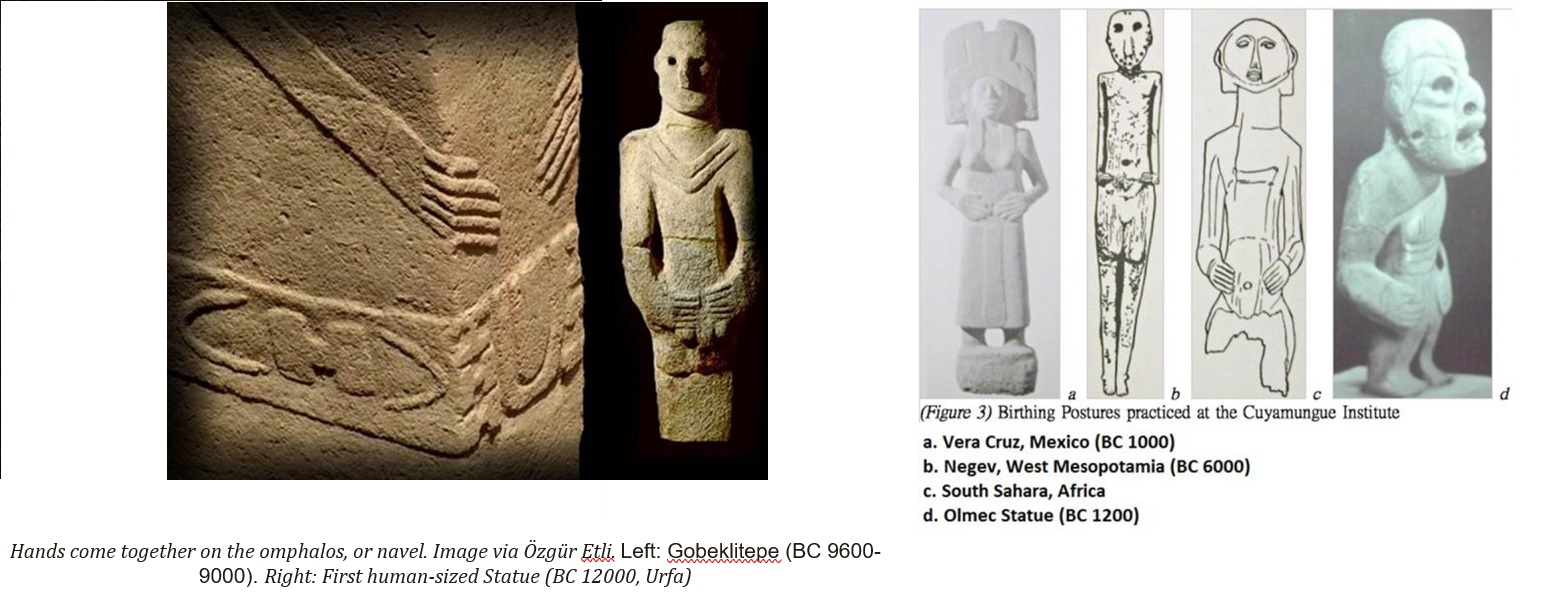
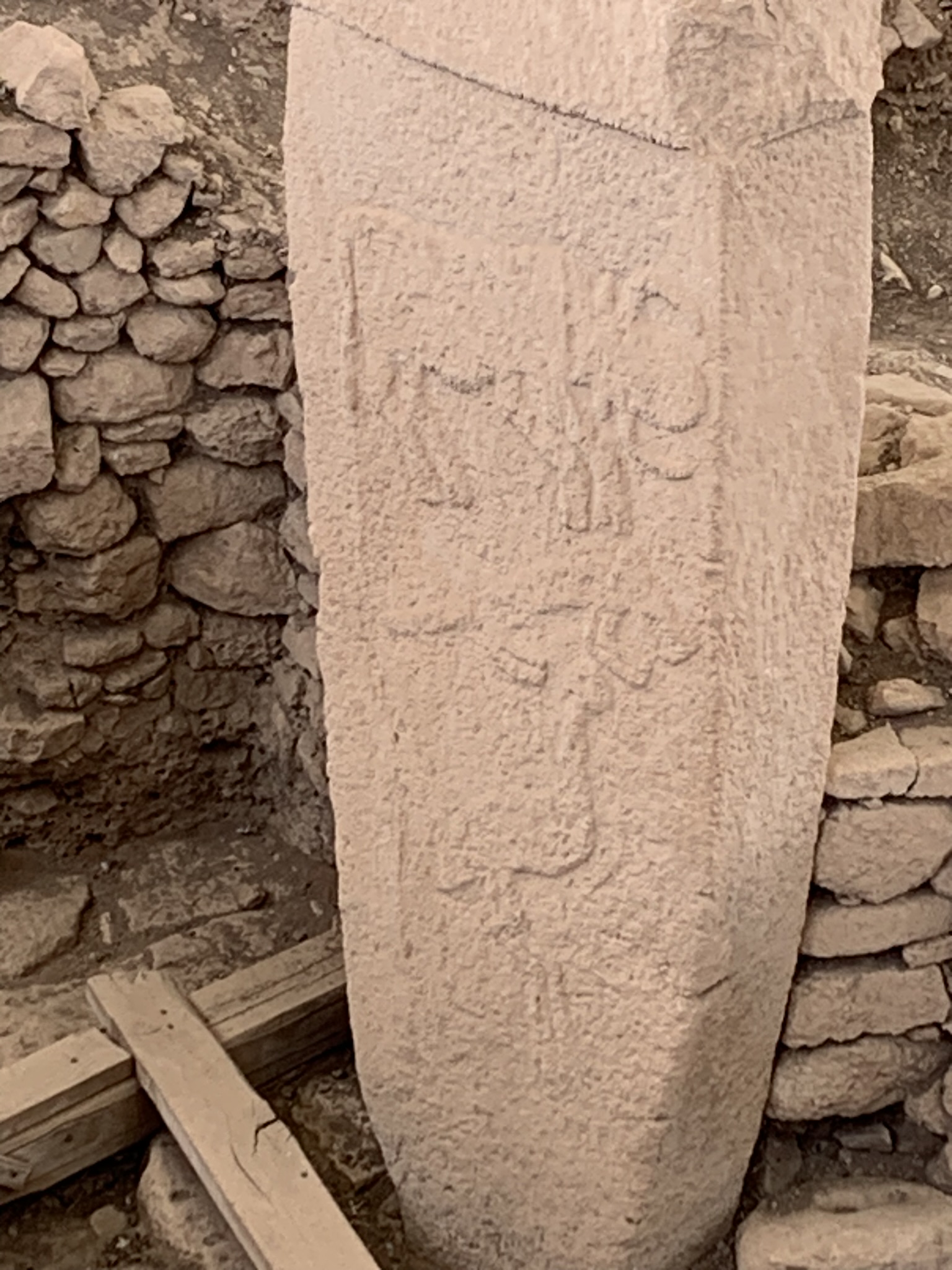
And then we come to the carvings found on the stones. One is a sort of handbag shape. This representation has been found in depictions made by the Sumerians of Iraq, in the ruins of ancient Turkish temples, in decorations of the Maori of New Zealand, and in crafts made by the Olmecs of Central America.

The stylised representations of humans of the pillars as well as other similar carvings have been found on Easter Island, in Bolivia (Tiwanaku), Azerbaijan (Gobustan), Tahiti, Marquesas Islands, Colombia (San Augustine), Egypt, and Costa Rica. In other words, there is strong evidence of similarities that suggest the possibility of a common precursor to world-wide cultures in existence before 12,500 ago. Possible? If true, then a cometary impact could have wiped them almost entirely from the face of the earth. Only a few survivors could have passed on the technology required to build such sites as Göbekli Tepe.


A visit to Göbekli Tepe will send you away with more questions than answers about the mysteries of the ancient world. So it’s your call now. Was it worth the journey to see this for ourselves? Leave a comment – I’d love to know what you think.
Read the final part of the quest here.
 WheatyPete's World
2 thoughts on “Turkey (Part 3) – Göbekli Tepe: Rewriting History”