All posts by wheatypetesworld

Malaysia – In the footsteps of the Argyll and Sutherland Highlanders

This slideshow requires JavaScript.

I never knew my Great Uncle Ron. He was killed in Malaya (as it then was) in 1941, serving with the Argyll and Sutherland Highlanders. But the very mention of his name, by any of my generation or younger of the family to any of the older members of the family would automatically elicit the same response, verbatim: “You would have loved Ron.” He had become a sort of family saint. Ronald Joseph Baxter had suffered from TB in his teenage years and was consequently considered infirm, so was delighted to be accepted for active service at the age of twenty five in order to prove to himself, as well as to other people, that he was fighting fit. He was to die before his 26th birthday. Soon after training he was sent to Singapore. Ron was a staunch Christian and a member of the Oxford Group, or Moral Re-Armament, a band of intellectuals which included in its numbers some quite influential people and called for a moral reappraisal in the pre-war years to avoid the impending conflict. They even had their working members exempted from active service, but when Ernest Bevin became Minister of Labour in 1940, he decided to conscript them. Over 2,500 clergy and ministers signed a petition opposing this, and 174 Members of Parliament put down a motion stating the same. Bevin made clear that he would resign from the Government if he was defeated, and the Government put a three-line whip upon its supporters. As a result, the Oxford Group workers were excluded from the Exemption from Military Service bill.

In his letters from Singapore Ron talks of meeting another member of the group, one Mrs Jessie (“Bobbie”) Geake, a teacher at a girls’ school. She had smiled when he offered to lend her his copy of Daphne du Maurier’s “Come Wind, Come Weather”: stories of ordinary Britons who had found hope and new life through MRA, which my Grandad had sent him, saying “I helped her put it together.” In this book she says, “What they are doing up and down the country in helping men and women solve their problems, and prepare them for whatever lies ahead, will prove to be of national importance in the days to come.” The book sold 650,000 copies in Britain alone. Du Maurier, as you will have gathered, was another member of Moral Re-Armament.

Skip forward to Christmas 2001. For the first time in a number of years, myself and my two brothers with families are at my parents’ house. Talk after dinner turns to family stories and Uncle Ron makes his appearance in the conversation.

“You would have loved Ron,” my father begins, “he was such a kind and gentle man.” He tells us that he still has the telegram informing the family of Ron’s death somewhere and goes up to the attic to look for it. Ron had been killed by a shell in Battalion HQ about twenty miles south of Ipoh, Malaysia. He was buried nearby and after the war was reinterred at Taiping War Cemetery about the same distance north of Ipoh. My father returns, having found the telegram. The date the fatal shell fell was 29th December 1941. Sixty years to this very day, 29th December 2001, exactly sixty years to the day that he fell. I felt a bit shocked at this coincidence. My Dad had not looked at the telegram in a good while; it was in a box of family memorabilia he had not opened since my Grandfather passed away. It was strange that it had happened when all the family, for once, were gathered. It was as if Ron was nodding to us from beyond. Then and there I swore that one day I would go and put some flowers on his grave on behalf of the family. My Dad was touched.

“You would have loved Ron,” was his reaction.

It was another ten years until I had the opportunity to do what I had promised . My father, by this time, was growing visibly frailer each time I saw him, his body riddled with cancer – too frail to travel, but not too frail to instruct me to take lots of pictures. Some friends of ours were living in Jakarta and this was close enough to Taiping to combine a visit with my family pilgrimage. Having each a young child, it was decided that me and Steve would make the trip, which would be quite a hard travel, and his wife, Jennifer made the bookings, flights and hotel. She was good at that sort of thing. But I am not sure whether or not it was to ensure that we appreciated the fact that the girls had, quite literally, been left holding the babies while the boys went off, that influenced a five am flight departure. It meant getting up at two. Personally I like to think that my big-hearted Canadian friend Jennifer simply worked out the plane bus connections for a whole day’s travel. I had told Steve that I would go alone, and was pleased that he wouldn’t hear of it, for he is an excellent travel companion who also had local knowledge. He kept the trip upbeat when we were tired on arrival in Ipoh, proclaiming, “OK, so where are the whores?” And took many of the photos I passed on to my Dad, whilst maintaining an absolute respect of what this was all about.

Jakarta’s streets are quiet this morning. Amazing. It is such a mad mosh pit of frenzied traffic in the daytime. Tens of thousands of scooters, cars crawling along, inching through the streets and dodging pedestrians, cyclists, animals and carts. So 3.00 am is a pleasant time to be out and about. At the airport I fill out my departure card. Steve is stopped and told to fill one in, even though he has got residency, which he duly does in the name of “Mickey Mouse” hailing from the Planet Zog. The surly immigration officer smiles as she takes it, not even bothering to read it. The flight is delayed by four hours but finally we arrive in Kuala Lumpur via Singapore, in time to get a bus from the airport to Ipoh. It takes about four hours and is modern and comfortable. We follow the route that the Argylls took by train north to the state of Perak.

Getting off in Ipoh, at what we assume is the centre, after fourteen hours travelling we find ourselves beside a quiet dual carriageway. It turns out that we are some miles out of town so we wait for a taxi. And wait. After an hour or so one stops. Unfortunately the driver does not actually know Ipoh very well and spends an hour and a half looking for the hotel, phoning friends for assistance and creasing up his face in confusion when we show him our map. Many phone calls, numerous enquiries of other drivers and pedestrians and scores of circles later we get to the hotel. “No pets and no durians,” proclaims the sign at reception. Ipoh was a tin mining town, and this, along with rubber plantations, once provided great wealth for the place. Not now though. Its centre is resplendent in crumbling grandeur in pastel shades. The only building still clad in its pompous colonial elegance is the Royal Ipoh Club, the name is spelled out in white stones on the flowered bank overlooking a lush green expanse of playing fields where cricket, polo and rugby were once played.  It looks haughtily down in its mock Tudor grace on the ramshackle facades of formerly beautiful buildings and pavements that tilt at every angle, open drains and potholes that could swallow you up to the knee and teenagers playing games of football on the still green grass. The classically Victorian train station hotel is, like so many others, shut down with some of the shutters hanging precariously from one hinge. It is from here that Ron would have disembarked from a train on the Kuala Lumpur to Butterworth line. The functioning station still stands, but like so much of the town’s colonial architecture, is falling slowly into decay.

Ipoh is famous for its street food so finding somewhere to eat and enjoy a well earned beer after sixteen hours travelling, before setting off to Taiping the next day, seems appropriate. The only way to get there from Ipoh is by taxi. It is a drive through steaming, forest clad mountains. But at least today’s driver seems to know his onions. And where to buy fresh flowers. Most shops only sell plastic bouquets because the heat just wilts fresh ones here. Fortuitously the man knows a flower shop with a fridge and I can buy a fresh bunch to which I attach the card I had made. We stop off at the state museum in Taiping, the oldest in Malaysia, and then head out to the cemetery. It is set in the jungle between lush, rolling hills offering many more shades of green than I had ever imagined were feasible in this world.

A perfect lawn and lines of gravestones laid out in neat rows in the sun. A palm lined avenue leading to a memorial, while gardeners dressed in green cotton work shirts and trousers, with straw hats, silently tend the immaculate cemetery which is laid out on both sides of the road.

Ornate gates face each other across the tarmac. Three hundred and twenty nine known casualties from Indian, British and Commonwealth armies rest here along with five hundred unidentified troops. Most of these seem to be “An unknown soldier of the Indian army.” We spend some time wandering the rows and I soon find what I have come to see. I wonder what would have happened to Ron had he survived. The pictures I have seen of Highlanders who went through the Japanese camps make me think that he was actually one of the lucky ones. He did not suffer like the other ones, their legs like matchsticks and with sad, tired, determined eyes. I wonder what happened to Mrs Geake. I later found out that she had been evacuated to South Africa with her two sons and subsequently became the head of the school when she returned after the war. Her husband, I suspect, was not so lucky. The flowers are laid respectfully on the grave and I stand mulling over all of these thoughts. The mission has been done.

But the hard travel is not over. We had booked a return bus, however have forgotten that there is a one hour time difference and after a leisurely breakfast we discover that we have missed the bus and the only way to catch our flight is to get a long distance taxi. The trip had started at two am in the morning, continued with a long flight delay, a bus ride to a taxi that hadn’t the faintest idea of where we wanted to go so basically just drove around until he stumbled across it, a missed bus and ended with two very tired bodies by the time we get back to Jakarta.

My Dad, who passed away last year, could not thank me enough. Why do sons always crave the approval and respect of their fathers? But that’s what this trip did. A good few more you-would-have-loved-Ron’s later and several I-can’t-thank-you-enough’s and I can look back on the trip as one which I will never forget. For all of his family, for those who did, and those who would have loved Ron, the flowers were laid. On behalf of all of us. And through this travel, through reading the letters he sent to his brother, researching the history of his regiment’s campaign in Asia and finding out about the lives of those who were there with him, in following in his footsteps from Singapore to his last resting place in Taiping, even though I never met him, maybe, just maybe I did get to know him… just a little.

With grateful thanks to the Commonwealth War Graves Commission.
This slideshow requires JavaScript.

Up through the Vrisic Pass – Slovenia

Petrol heads, bikers, hikers, canoeists and mountain-lovers: DON’T tell anyone about this part of Slovenia!

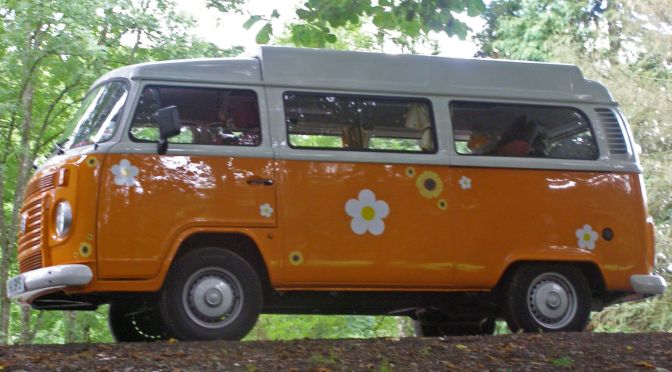
Every year we travel back from Bratislava to the UK in our lovely camper, Peaches. Here is something for all petrol heads or bikers out there. But still don’t tell anyone else!

San Baronto, Tuscany, Italy.

Mollie is now firm friends with the Belgians across the way. Three little girls, each one dressed entirely in pink, aged 1 ½ , 2 ¾, and 5 works well. The shipping has been put back a day but we still decide to head off today. We are on the road by 9.30 and soon hit the autostrade towards the eastern coast of Italy. Once again I am in awe of the engineering of all these Appenine tunnels and viaducts so high and remote in the mountains. As we come out of one tunnel it looks as if we have hit the top of the range and are actually amongst clouds. It was thirty one degrees when we left this morning but the temperature drops sharply up here. Soon we are over the mountains on a flat agricultural plain and are about twenty-five kilometres from the Adriatic coast. Only the volcanic peaks of Euganei break the monotony of the flatlands.

The service stations here in Italy, a nation renowned for its cuisine, do not do it justice. Every one is the same. Not quite enough parking spaces or petrol pumps, no grass or other area to sit and a shop/café/bar that is frantic and overcrowded, with long queues at both of the checkouts. We soon leave the autostrade and head off to the mountain range we had been following for a while on our right. These form the border between Italy and the former Yugoslavia, now Slovenia. These mountains are incredible for their sheer drops and steep peaks, pretty villages and azure rivers. The border post is a sad, deserted collection of dilapidated buildings on the zigzag road.

By now it is nearly six o’clock.

We have been on the road for nine hours and when I spot a sign to a campsite at the village of Trnovo Soci, in the Soca valley, we decide to stop over here. The mountains of northeast Slovenia are enough to tempt anyone to want to stay – a rugged, dramatic paradise, largely devoid of the trappings of international tourism. Definitely don’t tell anyone. The campsite is the equivalent of surfer city, Slovenian style. Except that the wetsuit clad people here are not surfers, but white water rafters. We need an adaptor for the electrical hook up, bringing back memories of the fifty Euro deposit we had to pay in Switzerland, but here they lend us one for free. The campsite is a fraction of the price too, in a superb location engulfed in dramatic scenery, and the welcome is warm. Most of the campers are Slovenian although I do spot one Czech, one Italian and one Finnish vehicle.

The river as seen from the rickety wooden-slatted rope bridge far above, is an amazing sight, frothing white rapids breaking above the turquoise water as it heads back towards Italy. Tomorrow the Vrsic Pass.

Day 11, Slovenia to Austria

Today I met the Vrsic Pass.

Wow! What a day’s drive! The shortest one of the whole trip in terms of distance covered at about 40km, but a full day’s drive. The Julian Alps are incomparable. We leave Trnovo Soci and follow the Soca River. It somehow manages to convey the impression of crystal clear water whilst at the same time offering the sort of vivid turquoise that only mountain waters or clean tropical oceans seem to possess. One of the advantages of a left hand drive along this valley is that Tash, rather than me, is closest to the somewhat worrying drop. We have programmed Marilyn to send us off to the left just past the village of Soca to drive the pass. But she is confused, repeatedly telling us to turn right under circumstances which would prove highly injurious to ones health, not to say fatal, for reasons which will become clear. The problem is that you can‟t just tell her that that you want to go via such and such a town, she insists on the street and house number. So you make one up that matches a real street.

Consequently if you do not hit the exact address as you pass through a town she keeps trying to send you back there, even if it is off sheer drops or into rock faces. Hence the phrase “Oh shut the f*** up, Marilyn” becomes one that is increasingly deployed. She has done a first class job getting us around Europe, but sometimes you just want to take the scenic route, and still ask her to get you to the campsite.

We are now heading for vertical mountains which fill the windscreen. You have to lean forward to see the sky. The thought occurs: how the hell will we get over that? The answer is in first gear, with the help of fifty hairpin bends and 6547 careful’s from Tash. This is the Vrsic Pass. The most amazing road I have ever driven. I rarely managed second gear on the way up. It is an understandably popular route with bikers, but cyclists?! Maybe it is some sort of rite of passage, but there were plenty of them. The landscape would have provided a near impenetrable natural border between the former Yugoslavia and Austria or Italy but for hundreds of years the path over the Vrsic range was a route for shopping, going to fairs, seeing a doctor or accessing pasture land for the locals. The demand for timber necessitated the widening of the path in about 1909, work later carried out by Russian prisoners of war. Over ten thousand of them toiled up here, protected by avalanche fences. The road is only open an average of seven months each year even today because of this danger. Despite this protection over three hundred of the Russians perished, along with their guards in two devastating avalanches. A restored chapel exists to honour their memory and five or so years ago the Slovenian government renamed this section “The Russian Road”. The views defy description and Peaches‟ brakes are starting to smell by the time we get down the other side. The Lonely Planet guide to Central Europe describes the road as “hair-raising” and “spine-tingling”, something I had purposefully avoided informing Tash of beforehand. On the way down we take a break beside an alpine meadow nestled amongst the peaks.

We are staring up past cattle, which, Tash insists, look dangerous, to Prisank, at 2547 metres the highest in the area.

Near the summit is a hole in the mountainside through which the sky is visible. It gives the impression of a giant Cyclops looking down on us. The jagged edges around the 80 metre high, 40 metre wide window have been given names by the locals; the Bishops Head and The Pagan Girl stare down on beech and spruce forest, rhododendrons, between alder or larch covered slopes. Some of these are dwarf species near the top of the tree line.

After a lunch stop in the ski resort of Kranjska Gora we take a comparatively tame route through the Wurzen Pass and another deserted border post into Austria. Tonight’s camp is at Villach, described as a “stunning lakeside location”, but after the Julian Alps these mountains seem more like gentle hills. All appears overly sanitised and almost unnatural. Too clean, like Switzerland. Neither flamboyant Italy, closed-for-lunch France nor midge-infested Scotland can come anything but second to Slovenia in my mountain list.  And I, for one, am totally enamoured with the gloriously beautiful country of Scotland but Slovenia tops even that!

India

*NEW* Click the sound file above to listen to this post.

September 2023

This was my first ever blog on this site, seven years ago now… I was happy to reach 20,000 hits this year. Here is a little update: if you want to know why I love the berserk, spiritual, beautiful and confusing country of India, then check out this link for a perfect example – What Time is it Actually in Mumbai?

There are simply not enough words to describe it. There are quite a lot of words here. But if you want to know what it is like to backpack in India… then read on.

31-07-07 Mumbai (Bombay)

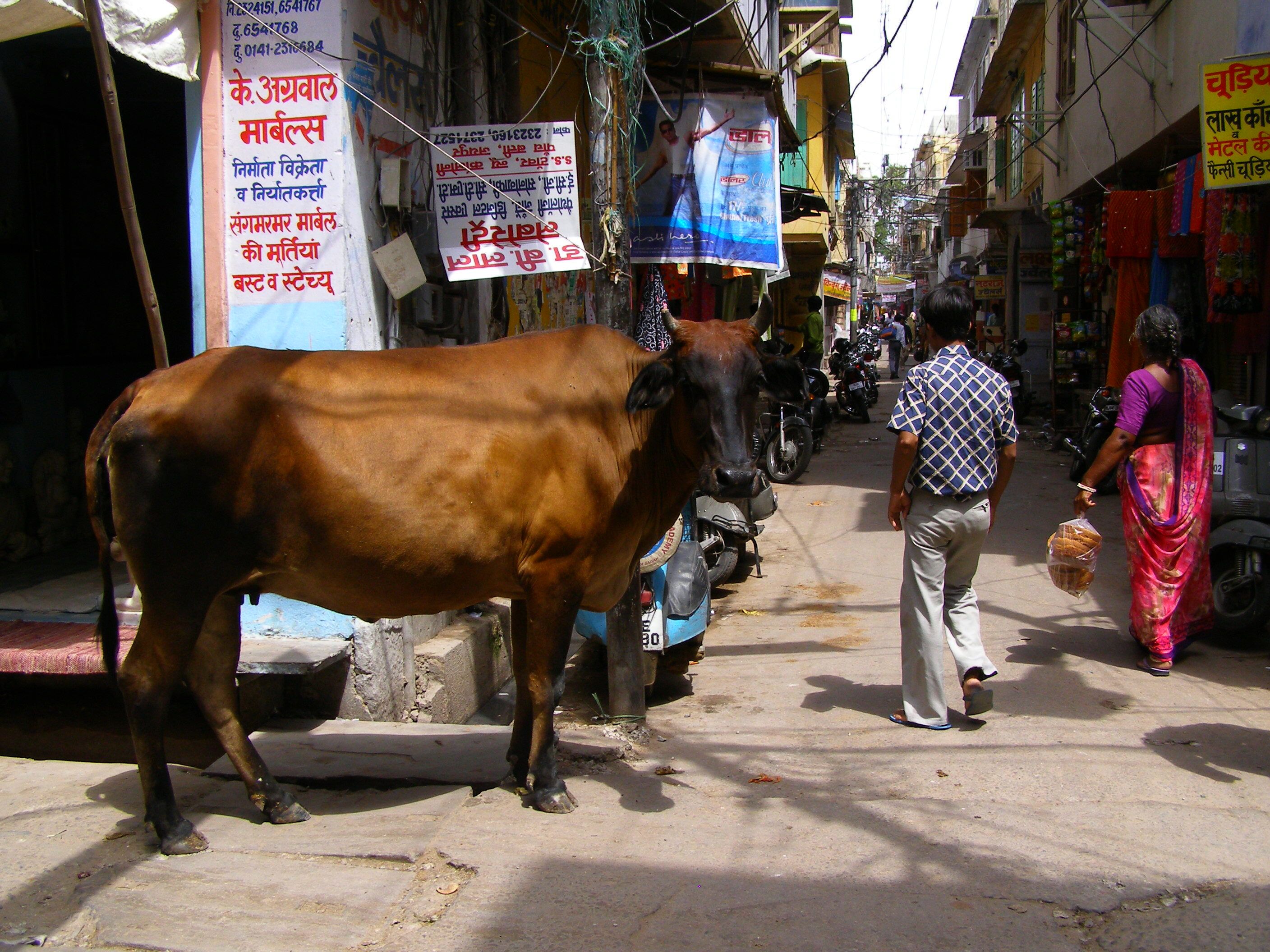
“Would you like to buy a cow?”

This is not your usual hawker. Hashish or handbags, yes. Sandals or saris, yes. But a cow? The man’s dark eyes and mischievous smile radiate beneath the hood of his cagoule in the Mumbai monsoon rain. I tell him it won’t fit in my rucksack, and it would need a separate ticket for the plane.

“But with all these bombs on planes a cow is a safer way to travel,” he assures me. “You can sit on the cow and your wife can lead it along.”

I wonder what he is really selling.

“Actually that was a joke; I just say that to break the ice.” He asks about our stay in Mumbai, telling us that we should see the “hidden parts”,  Mahalaxmi dhobi ghat (a place where clothes are washed), where some 5000 men use open air toughs to beat the dirt out of the garments, the slum where several million people live, and so forth.

I wonder what he is selling. He asks when we are leaving, and having ascertained that we have a few hours to kill in Mumbai before our train south, offers his services as a guide to these amazing sights… so he wasn’t really selling a cow… At the train station, a rat runs past my foot.

Mumbai Shopping Mall

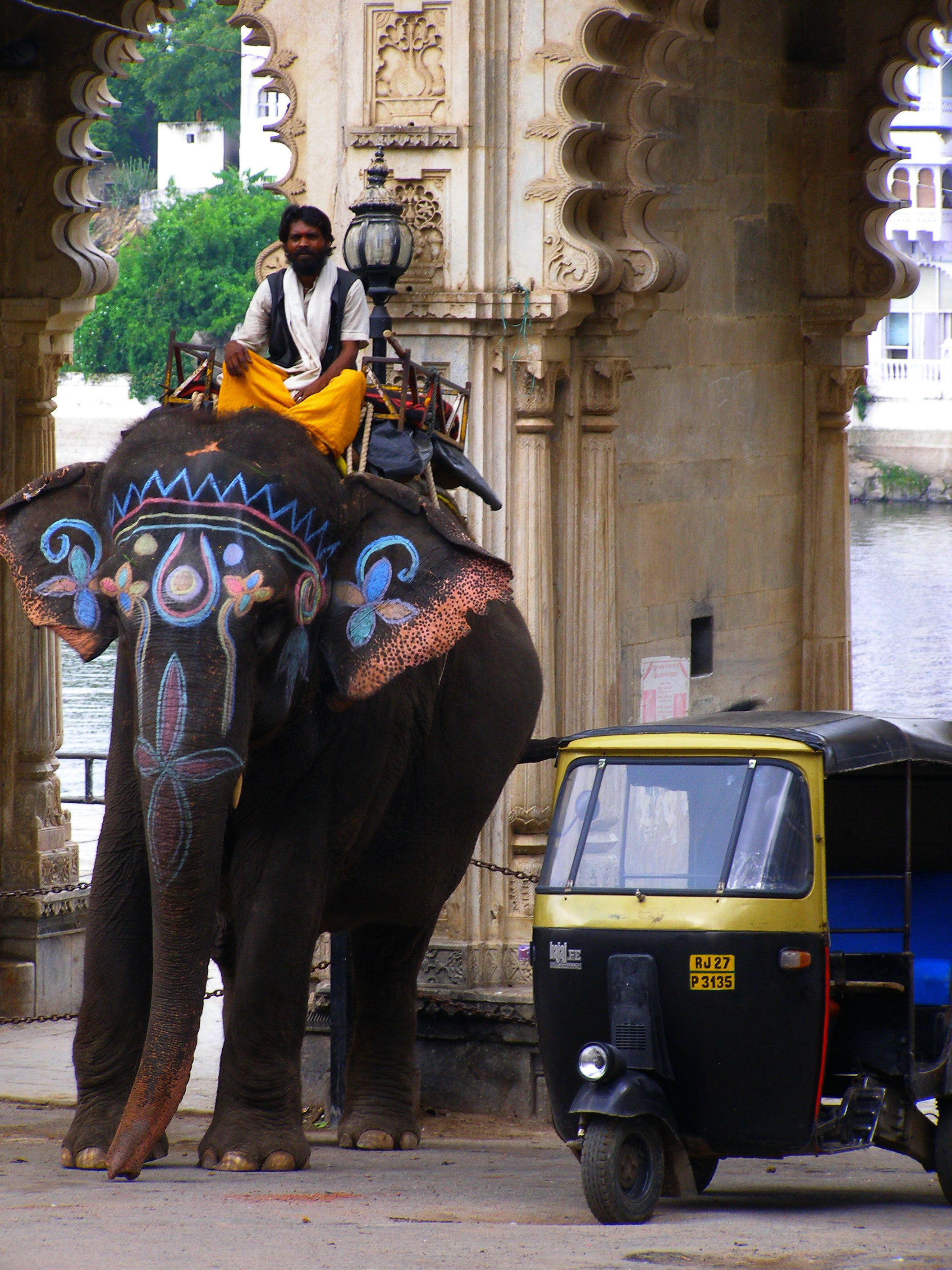
People step forward gingerly. The security guards offer words of encouragement. They hesitate, some step back, losing confidence.

Others stride bravely without so much as a glance at the security guard.

The timid ones look back at their companions, a look of pride and achievement on their beaming faces.

They have made it. They are on the escalator.

Three days of trains from Mumbai to Panaji in Goa, where we stay a night, then to Allepey (Allapuza) in Kerala via Ernakulam.

5-08-07 Sona Homestay Guest House, Alleppey, Kerala

If you ask Joseph, the proprietor of the guesthouse, a simple question, like how long a backwater trip takes, he will regale you with half an hour’s worth of storytelling. Stories of adventurers sailing back and forth between towns under the full moon (“I told my wife they would not be back that night”) or of people marooned up a tree on a snake-infested island (“I told him not to leave on that day”). Each tale is punctuated by the lively seventy-three-year-old’s infectious giggle, at frequent intervals. He is a perfect host, something of a mystic, and laughs through his tales of the people who have passed through Sona: pretenders to the French throne; BBC film crews, and movie directors.

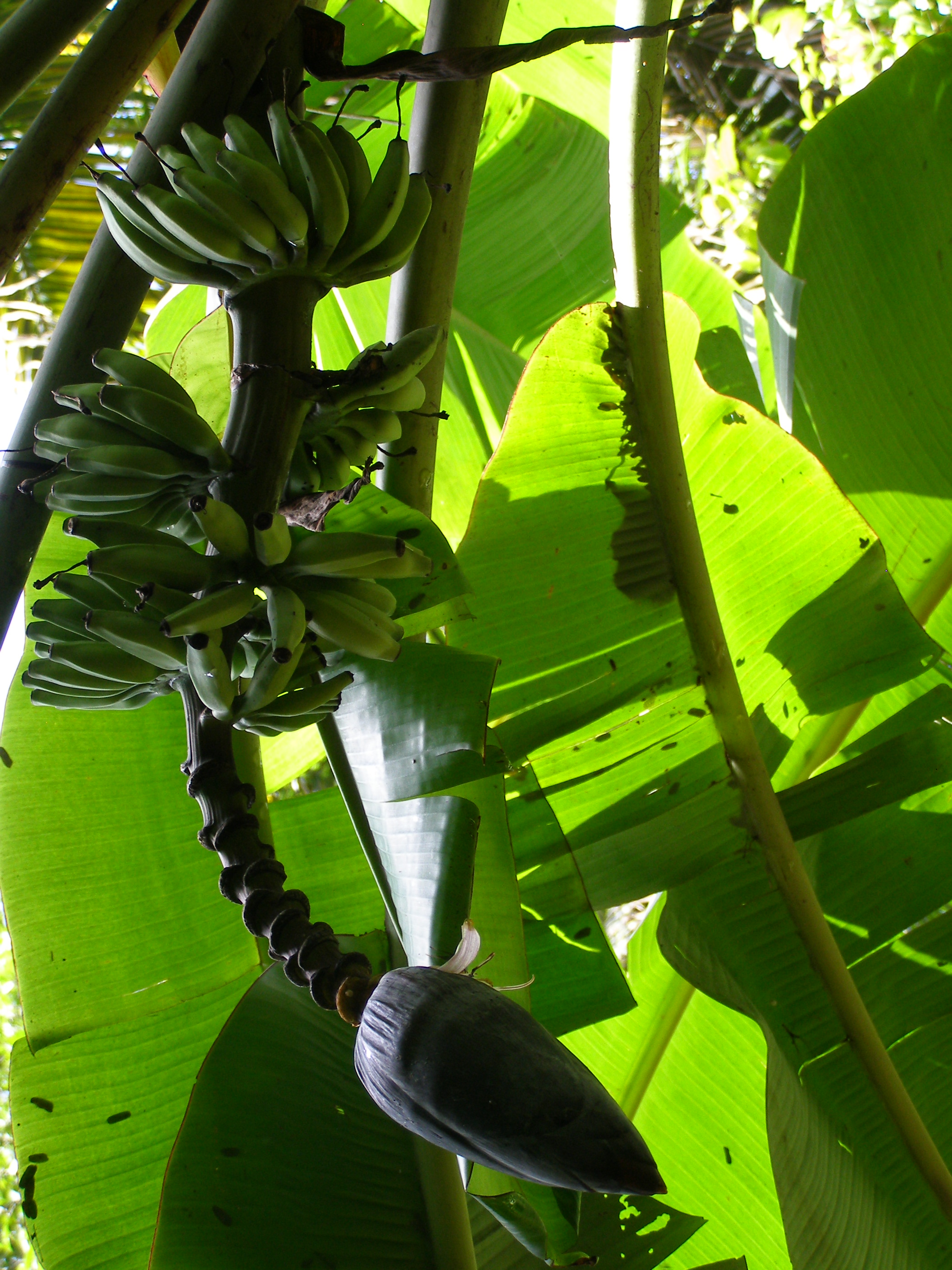
Sona is an idyll. Confusingly, Joseph’s son is also called Sona. Peace, calm, and mosquitoes. To the chorus of night insects, you sleep in a four-poster bed under a mosquito net and wake up to a pot of fresh coffee and delicious banana pancakes on the “sit out”, your own private view of the beautiful garden here. Coconut palms, banana, and durian trees tower over the brightly coloured flowers where by night fireflies pursue their erratic flight, by day dazzling birds and in the morning the bats come in from their nocturnal hunting to sleep in the branches. And Joseph always has a tale to tell. A happy, kind, and hospitable character (“We like to treat people as guests in our house”) who seems to find everything very funny. Sona is a kilometre and a half from town, a pleasant meander along the canal side. If you want a backwater trip, Joseph knows the best one. If you want an Ayurvedic massage, Joseph knows where to go. But he is not touting like most others. He is concerned to give his guests the best experience. This romantic setting, and the genuine warmth, love, and joyful zest for life that simply exude from this interesting man make this the perfect antidote to the madness of Mumbai. And the answer to my question about how long a backwater trip takes (after the half an hour of enthralling storytelling) I  now know, and it is this: how long is a piece of string?

Joseph’s answer to the time of a Backwater Trip (which I can only summarise here):

“Well, you know we had this man staying here from Switzerland, David his name was. He stayed with us for three months, he would go away for a few days sometimes. He was always saying that he wanted to do a solo backwater trip, and one day he said this was the day. I tried to persuade him not to go. I told him that the first of June was no good and that he would be back, but he said he was strong, like a boar. Anyway, he went. I said to my wife that he would be back by the next evening. And he did come back, the following day. I could see he was in a terrible state and these men came after him carrying the engine and bits of the boat and all David’s things. ‘David,’ I said,’ what happened?’

He said to me, ‘I cannot tell you now, now I must just sleep. When I wake up we will tell you the story.’

And he went to his room and slept all that day. I asked these men and they told me what happened. David had gone to an island, but all the local fishermen knew that this island was infested with snakes, very poisonous snakes. Many, many snakes. It is where three rivers meet and the snakes, they come down the rivers.

David had gone up a tree and four snakes were coming up there after  him. He spent all night, like this, praying the snakes would not get him.   And him, strong like a boar! The fishermen found him the next morning.   All of his things had drifted off.

‘Don’t worry,’ they said, ‘we know Sona. We will get your things and  take you there.’ This is what they told me while he was asleep.   But, you know, he made friends with the son of an Indian ambassador. He had been all over the world but he had this disease, when he was a child, and could not walk… how do you call this… ah yes, thank you… polio. He and David decided to do this trip to another village when the moon was big, and I said to my wife, ‘They will not be back tonight.’ And sure enough, at twelve o’clock, I got this phone call from David. “I will not be back tonight.” And do you know what they had done? They spent all night going just back and forward like this, just watching the moon on the water. When I was young we used to go out in a boat when the moon was big, and just sit there listening to fairy tales. It is very special when the moon is big. It makes this thing on the water. It is a phenomenon. So to answer your question, ‘How long does a backwater trip take?’… the answer is… I don’t know!” (Insert frequent giggles).

8-08-07 Alleppey

Joseph worked with Mother Theresa in Calcutta. He laughs as he tells us how stubborn she was. Once she had made up her mind there was no changing it. She wanted some land and insisted that as she was using it for God’s work it should be given for free. Joseph negotiated a deal so that she could get it for one rupee per acre, but still, she was adamant that she would not pay for it, even when he explained that only the president could give land away and this could take months or even years because it had to go through several government committees before going up to be passed by the full parliament. In the end, Joseph paid the one rupee per acre and gave her the land to use.

“But,” he maintains, “I could tell she was a saint. When you touched her you could feel this electricity all up your arm, like this,” he says, wistfully patting his shoulder.

Kerala is known as “God’s Own Country”. After yesterday’s backwater  trip I can see why (but please don’t tell any Yorkshiremen this!)

We just happened to be in town today when the colourful parade passed through to mark the opening of the Snake Boat Festival. I had an Ayurvedic treatment, where they drip oil onto your forehead to open your third eye. The two men chatted all the way through, then they spilled some oil into my first (left) eye. OUCH!

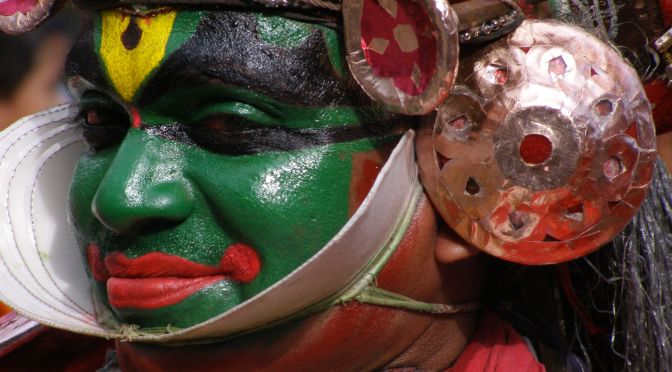
A man claiming to be a professor of Hindu mythology and a Brahmin invited us to eat at the temple where there would be Kathakali dancers and a parade of decorated elephants… but it turned out that he was just trying to trick us into buying him a few beers and take twice the price for them. He did not succeed. Tash had him worked out pretty quickly, but it took me until he said, “You must give me four hundred rupees for this beer.” We got up and left,  despite his protests. Tash has inner voices of reason; I am sensitive when it comes to a question of beer!

10-08-07 Varkala

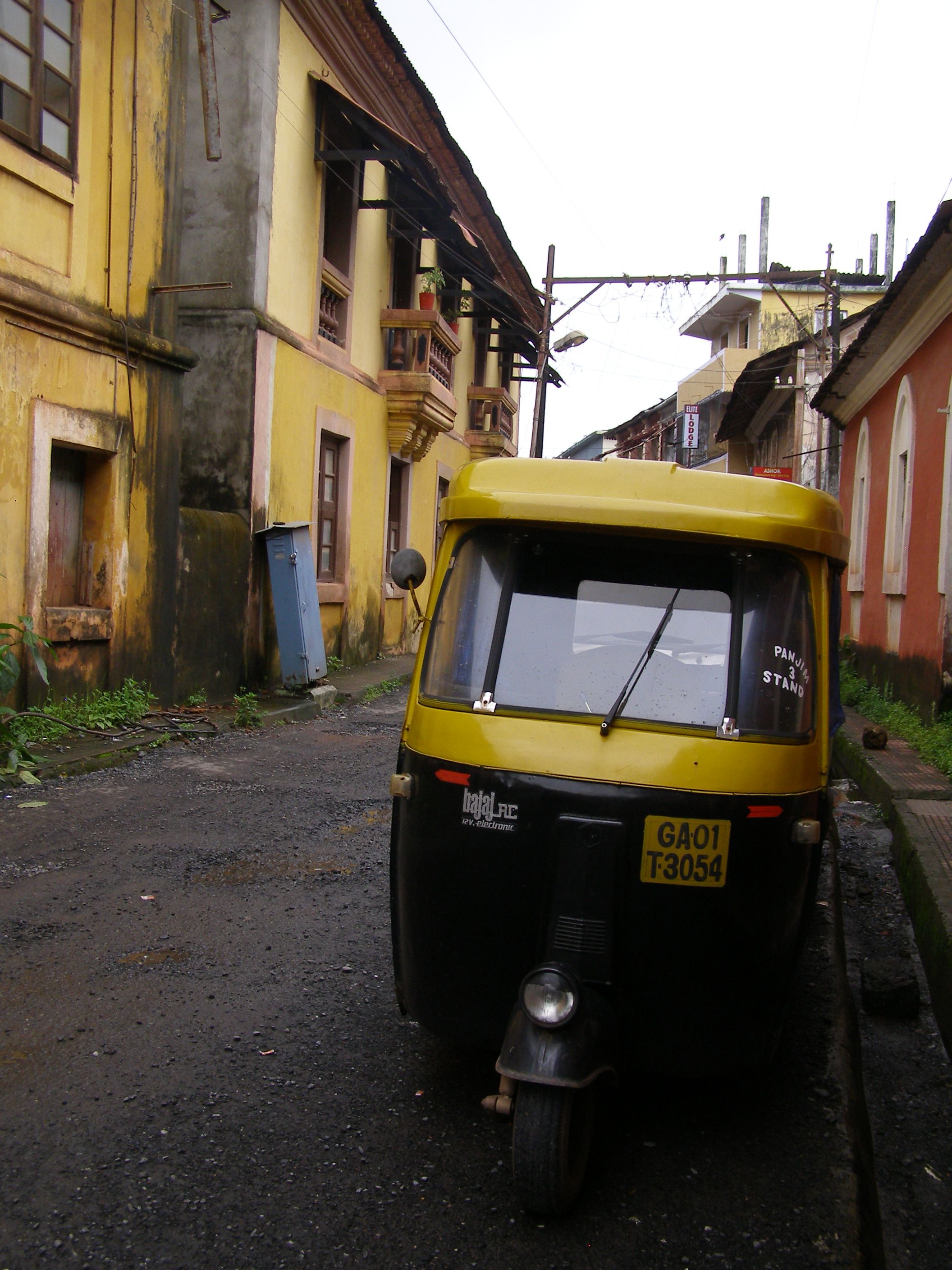
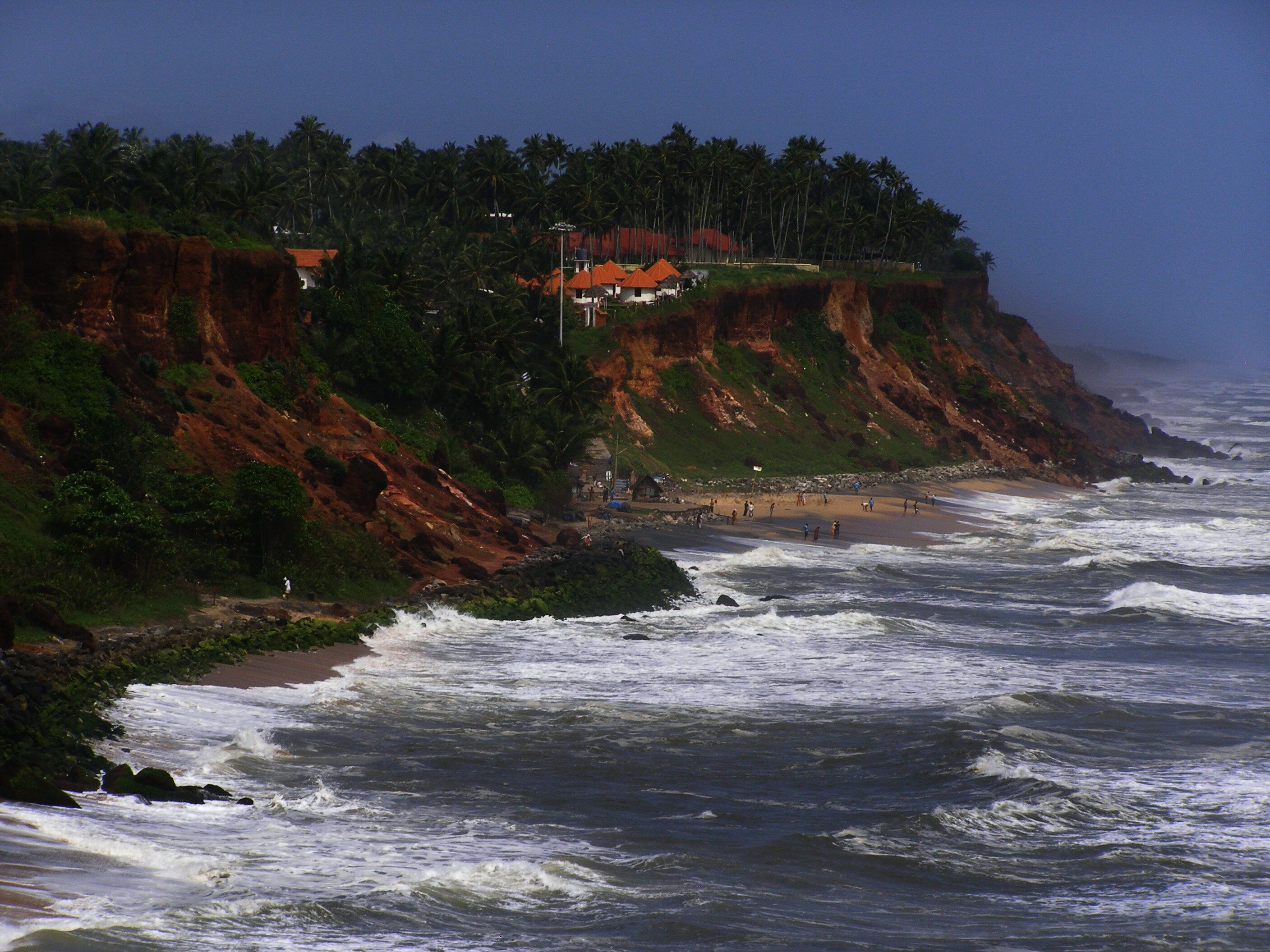
We left the rucksacks at Sona and took small bags, two buses and an auto-rickshaw to Varkala, or Glastonbury-on-the-Malabar-coast, where the Funky Art Café serves a fantastic paneer cheese and cashew nut curry cooked in coconut milk and the waiters sell you hashish. I had a pair of trousers made. Very cool to sit on the cliffs watching the night roll in with the monsoon rains sweeping towards us from the sea, dry on the terrace of the rooftop restaurant.

11-08-07 The Nehru Trophy, Allepey

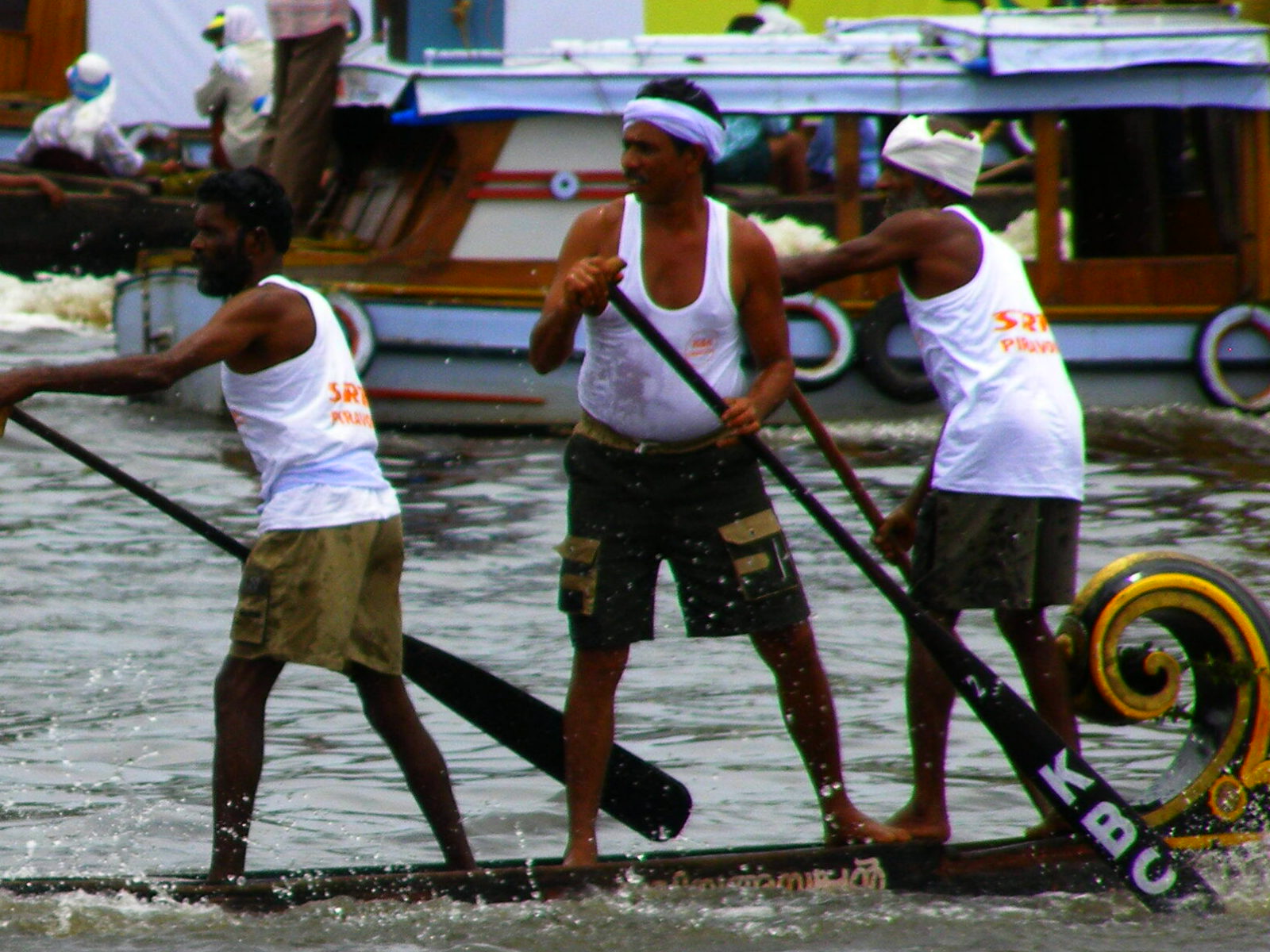
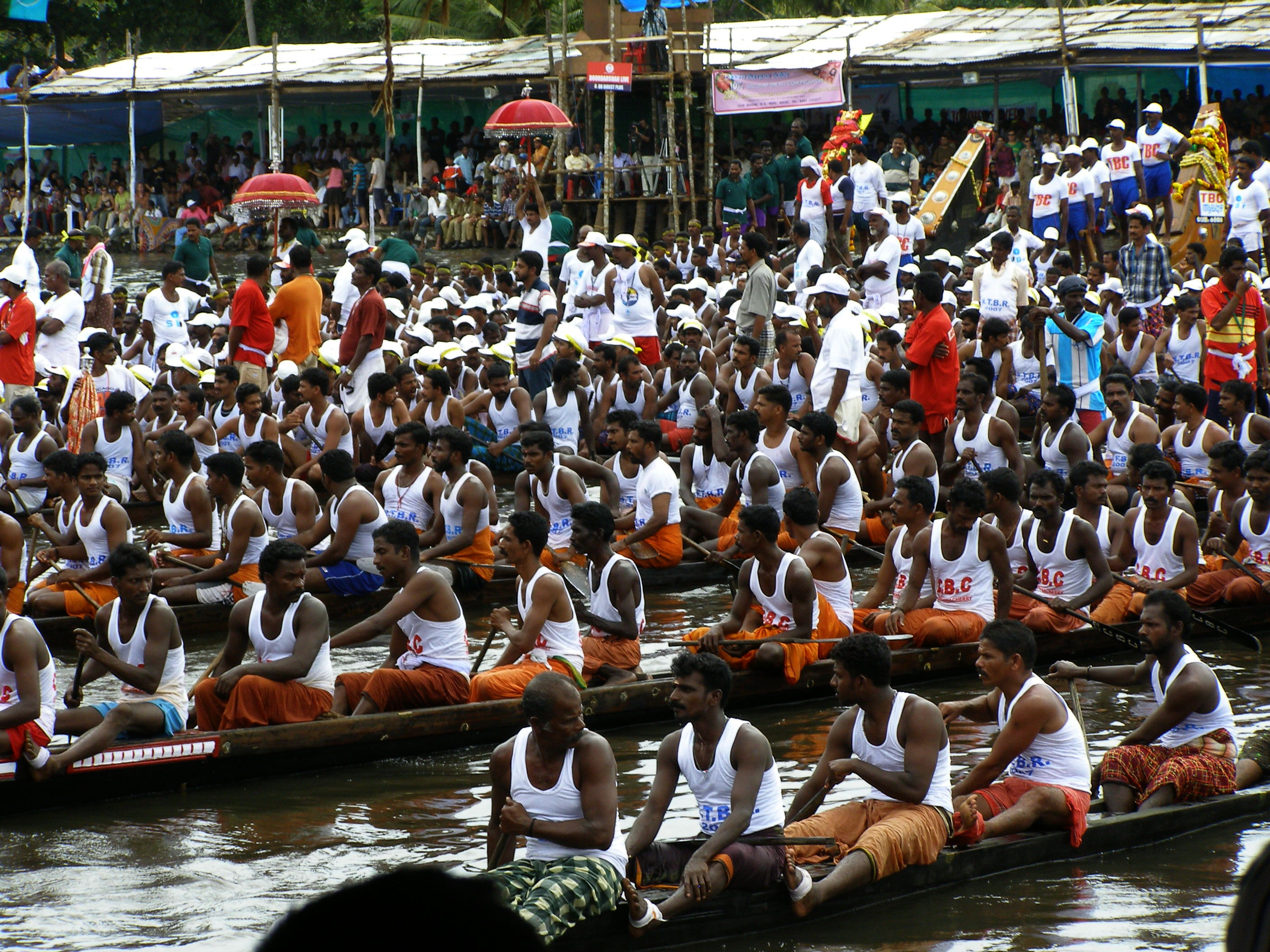
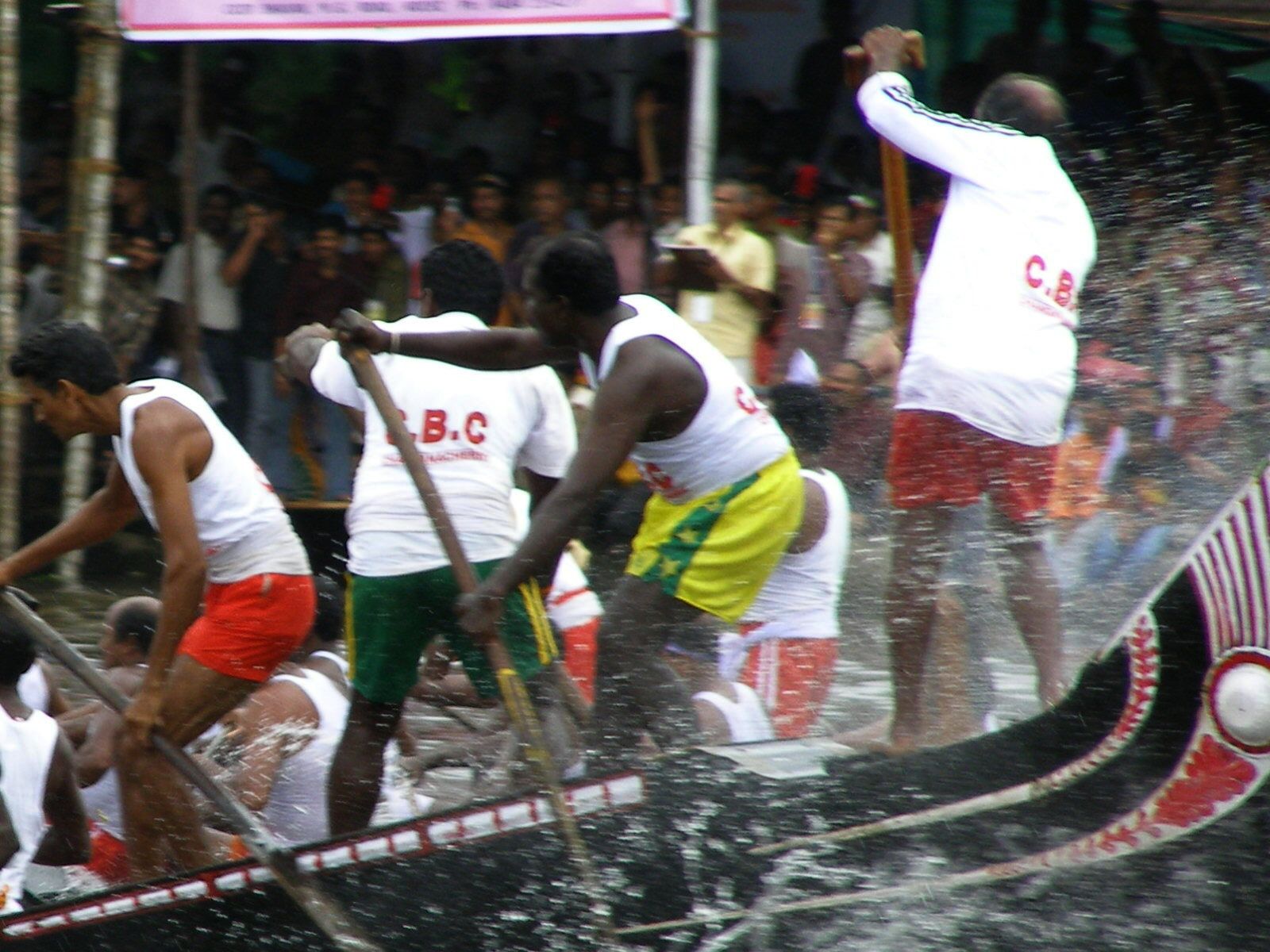
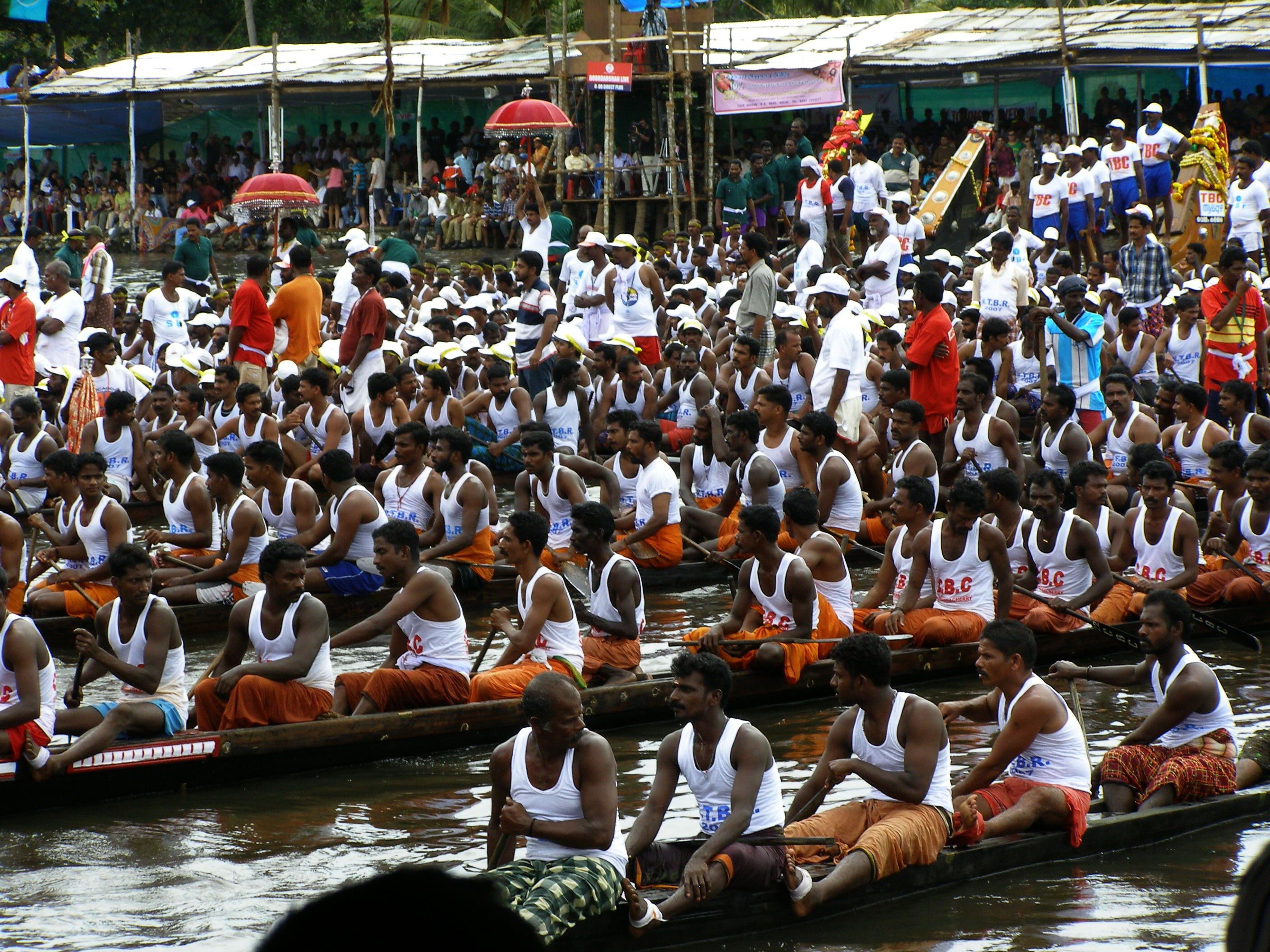
It is the Snake Boat Races today. Some of these impressive craft have one hundred and forty rowers and travel at quite a speed. “There is even one race where the boats are entirely manned by women” booms the lady who is doing the commentary in English before she is cut off by the even louder male who is doing the same job in Malayalam (the state’s language). He frequently interrupts her quaintly archaic observations throughout the day. It is VERY crowded, an interesting rather than pleasant experience. We went back to Sona, where the races are live on television and Sona the person, not Sona the Guest House, if you see what I mean, took pity on our heavy bags and arranged an auto-rickshaw. The man had to come the back way because the police had closed off the road due to the races. As it turned out the driver offered to take us the full sixty km to Kochi. We had planned on getting a bus from town. Door-to-door service and no sweating under heavy bags amongst bus crowds. This has to be a bargain.

Kochi (Cochin)

The Lonely Planet guide describes some of the service in the restaurants of Kochi as “indifferent”. But the Chariot Sea Front Restaurant (where I had a nice “quali flower” curry) rewrites the book. It is not so much a question of indifference as one of quite simply not being very good at service in restaurants. Things like forgetting some of the order, but rushing around a lot, or trying to take your food or drink off you while you are still eating or drinking, but still rushing around a lot. Covering one nostril with a finger so that you can snot into the street with the other one just before picking up the plates to take to diners is my personal favourite though.

13-08-07 Jaipur

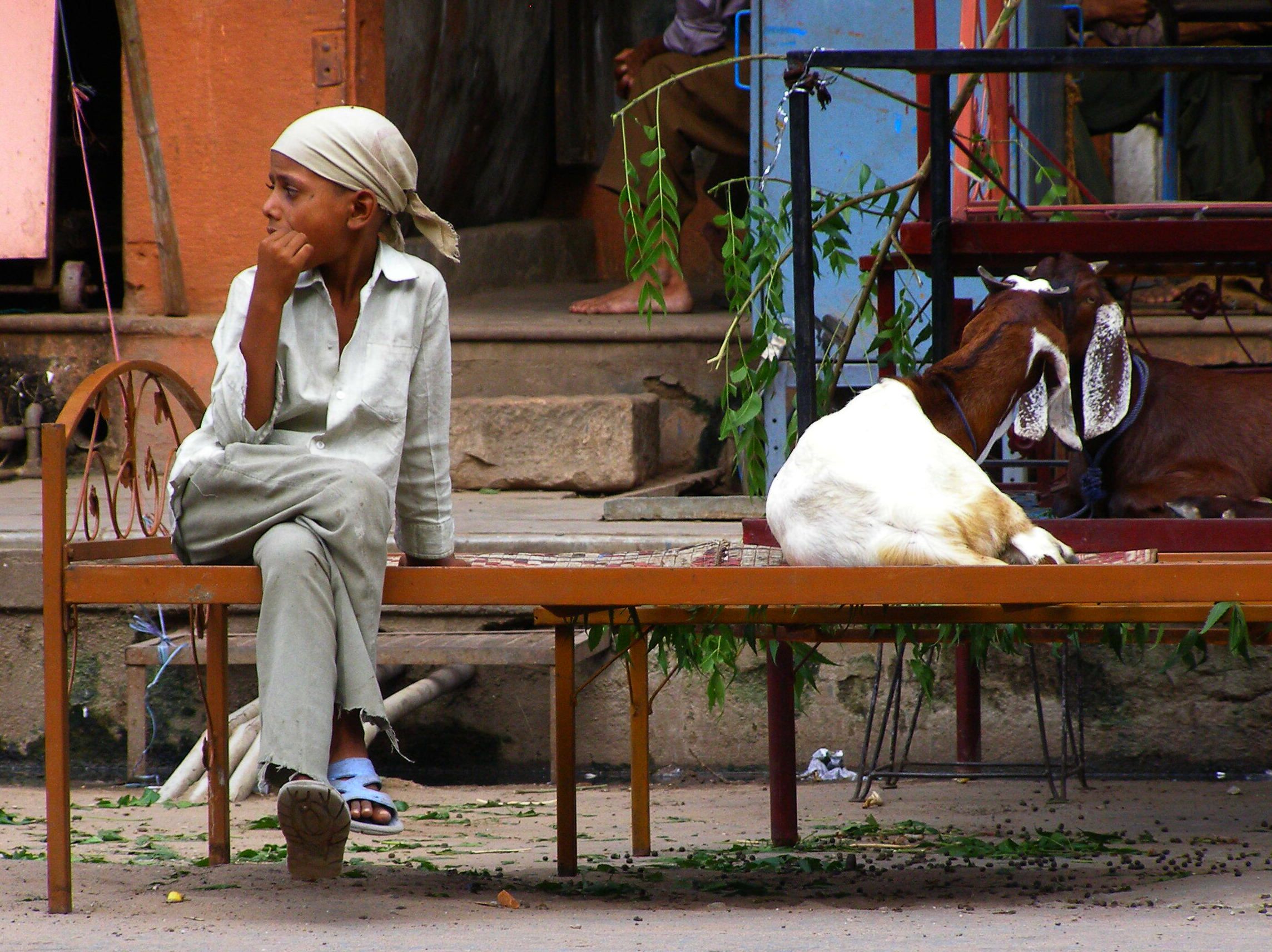
The capital city of Rajasthan: Jaipur… how to describe Jaipur? A mad mosh pit of motorbikes, auto rickshaws, camel carts, more motorbikes, cars, ox carts, cows, goats, pigs, people, even more motorbikes, cycle rickshaws, buses, lorries and many more cows wondering amongst many more motorbikes, each with its volume set to full. Incessant noise. Crossing the road is to step into a carousel whirring at full speed. Or, you could walk on the pavement and brave the filth, the hawkers and the homeless and have your path blocked in front of every shop by their owners, giving clever and persistent lines in hard sell.

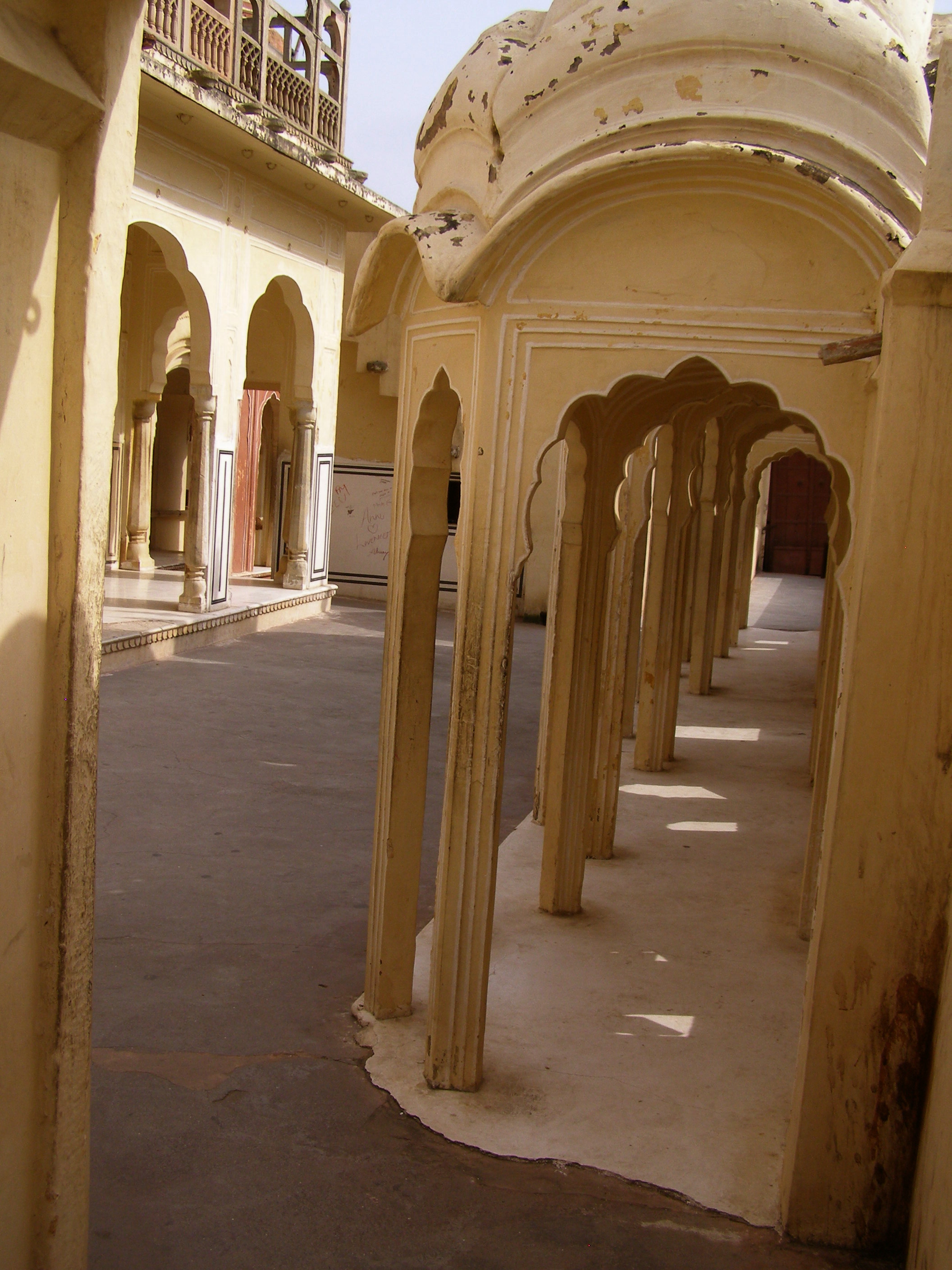
The Palace of Winds is an oasis of calm, an island of tranquil beauty, where the maharajah’s wives would peer between the intricate lattice work and through the tiny windows on festival days so that they could see without being seen. The equally sublime City Palace is just as lovely. The clothes of one maharajah, who had an amazing one hundred and eight wives, was two metres tall and one point two metres wide have to be seen to be believed. At least there was plenty of him to go round all those wives, I suppose.

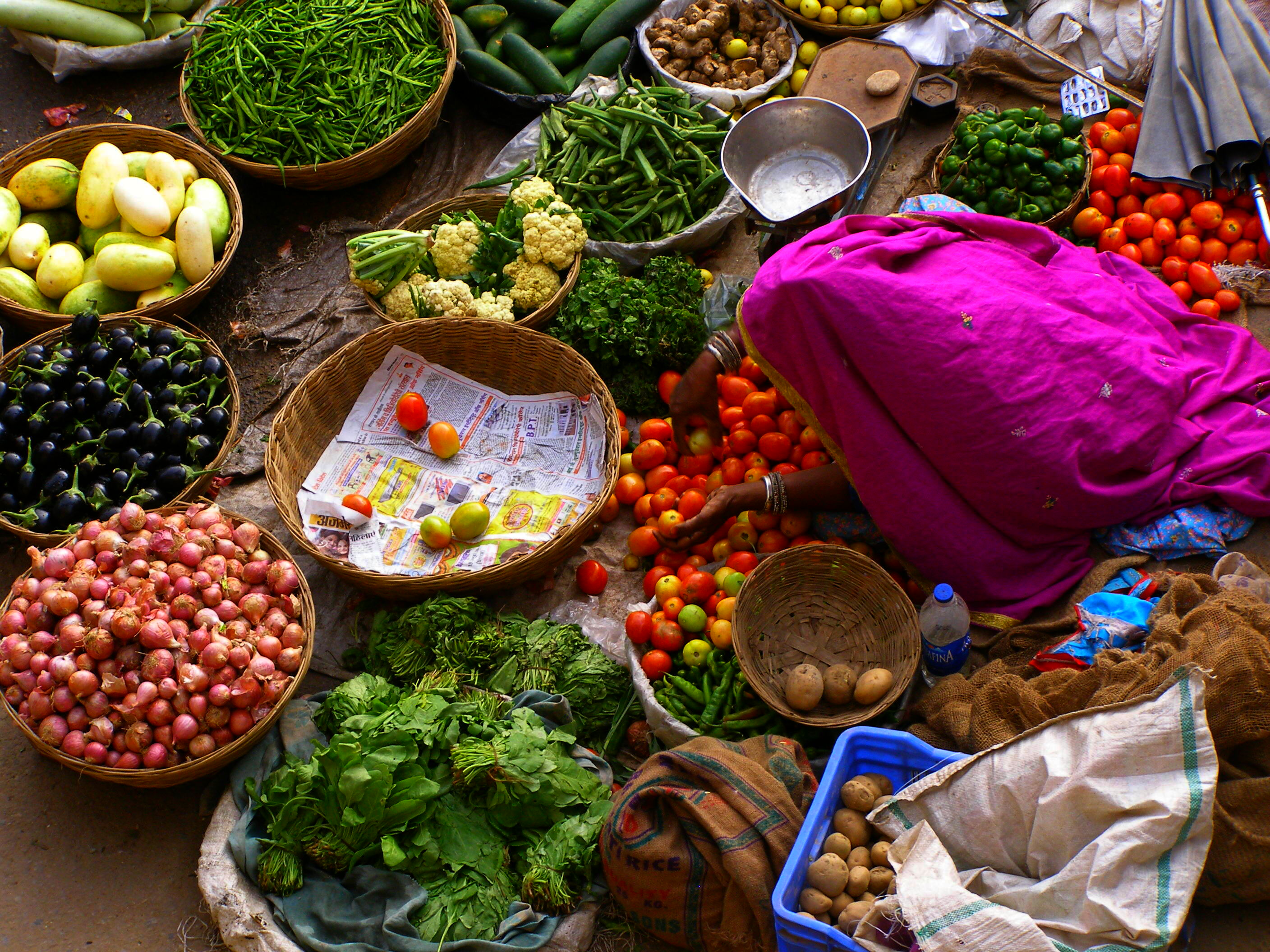
Step out of the palaces and you are back in the mayhem. Cycle rickshaw drivers follow you up the road asking where you are going and “no thank you” has to be repeated… and repeated…your way blocked in front of shops, children hassling for money, following, following. Then you are assaulted by the colours of Rajasthan. Jaipur, the Pink City,painted in the traditional colour of hospitality, the whole lot, under the orders of the Maharajah to welcome the future King Edward V111. The idea stuck and now any householder who paints their dwelling in a different colour within the city walls is fined five hundred rupees per day until they conform. The scale of poverty is astounding, from the cycle rickshaw drivers who sleep on their vehicles to dusty, dusky souls living on traffic islands, next to the palaces, and everywhere else. And the noise of the car horns is incredible. Even in the tiny back streets, you are dodging motorbikes.

Thank goodness for Mr Singh’s quiet two-star hotel. The Pearl Palace lives up to its name and has been exquisitely furnished, with skill and a good deal of love. “Dear Staff, please treat our guests well, they keep us in business”, proclaims the notice at reception. The first hot shower since arriving in India, a cheap rooftop restaurant, laundry and room service as well as breakfast in bed at no extra cost, smiling, welcoming and hardworking staff. This is our own haven, our own palace. But how to reconcile this with the true insanity going on all around? Mayhem and calm, comfort and destitution. Love it, hate it. I’m really not sure.
15-08-07 A Four and a Half Bus Ride from Jaipur to Pushkar

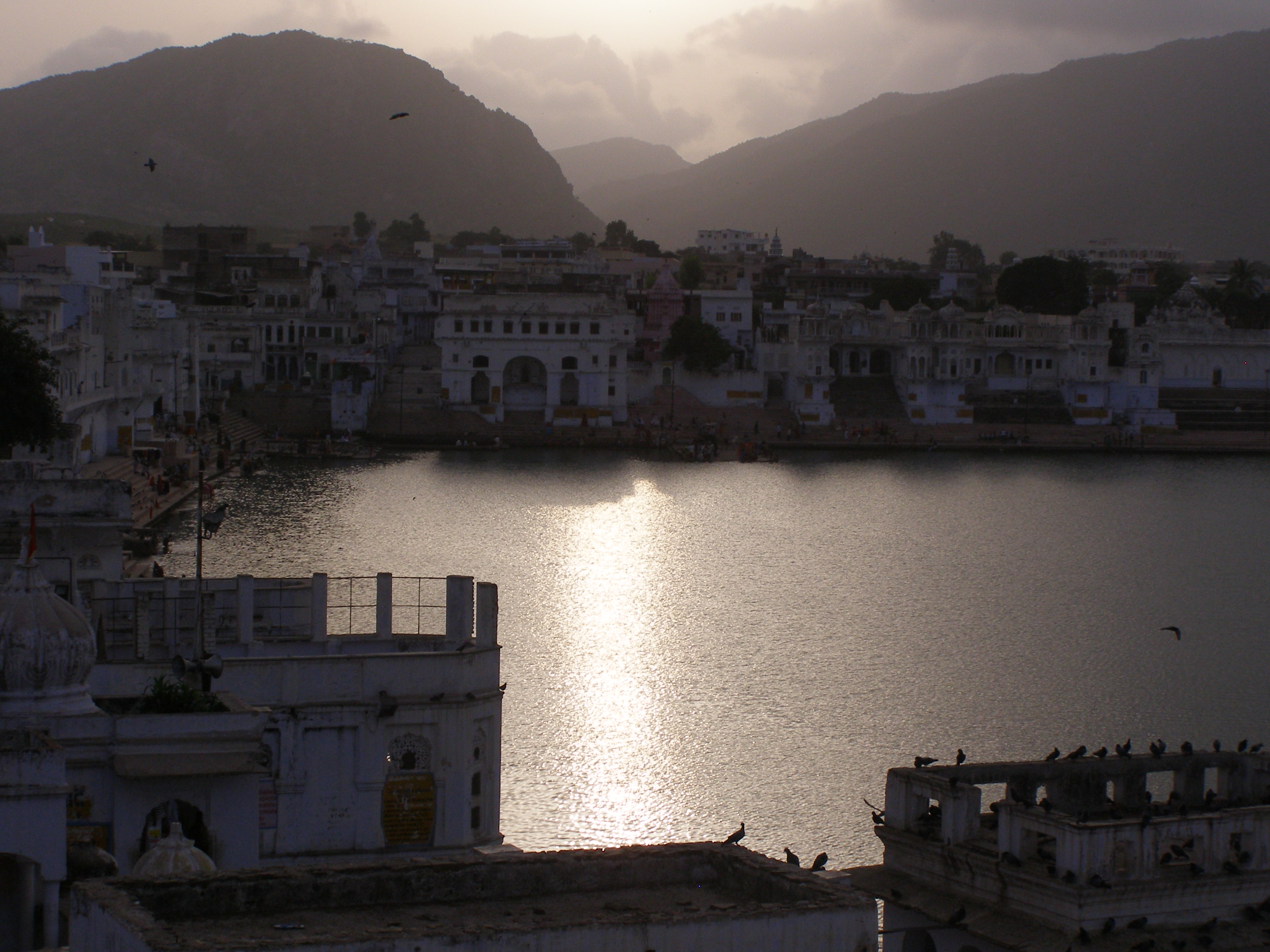
Bus drivers out of Jaipur drive south with only one hand on the wheel. The other hand is on the horn. You have to blast your way out of this city. Pushkar is on a lake up in the mountains. What a place! A pele-mele of sacred Hindu temples and hotels, tourist shops and monks, cows, monkeys and motorbikes. But the hawkers are far less in your face than in Jaipur. This is the site of an annual camel fair and pilgrimage. It is a curious mix of spirituality, bhang lassi sellers, the sound of Hindu chants or Indian trance music. If you like shopping this place is heaven! It is so good to tone down after the madness of Jaipur.
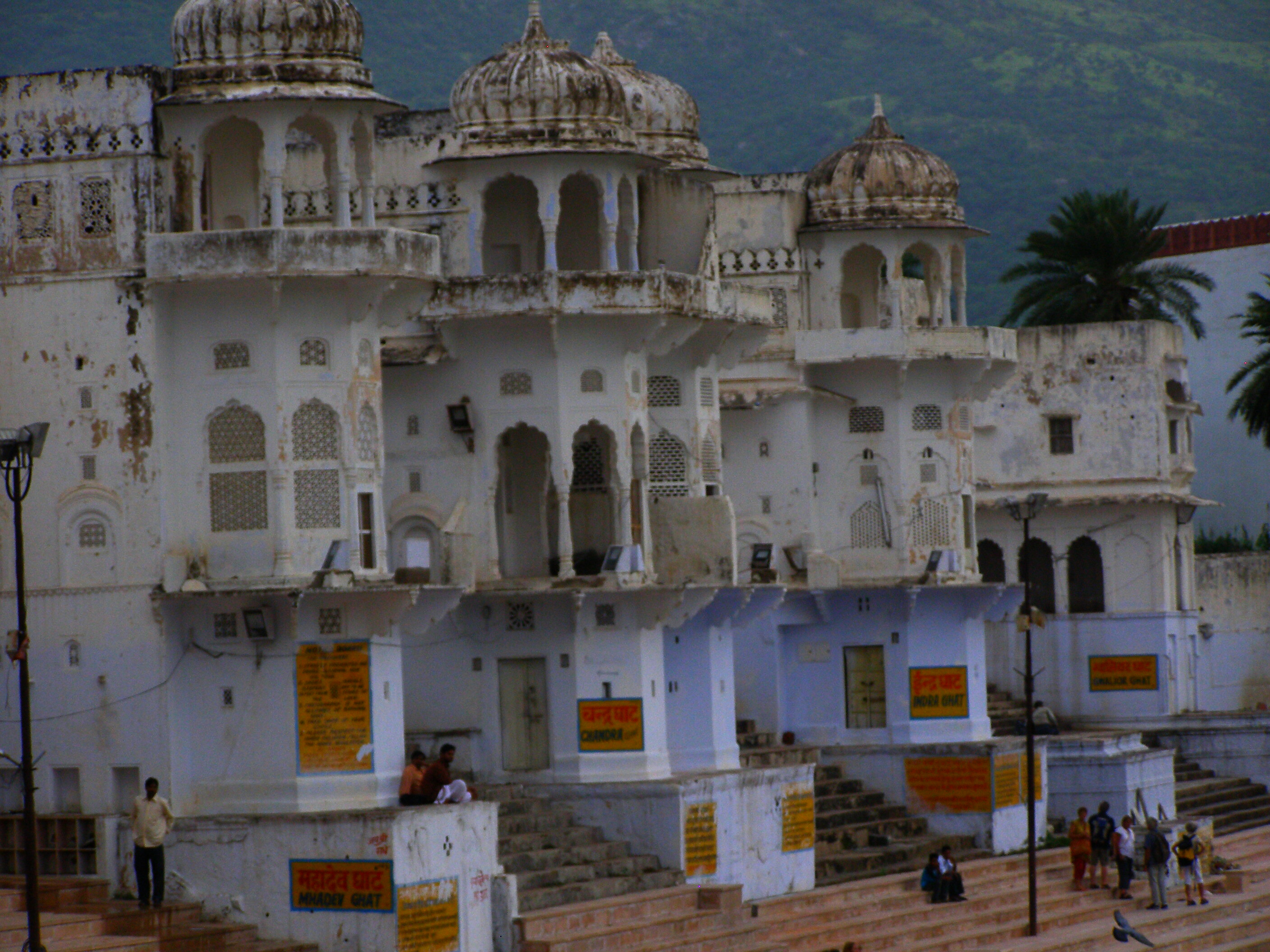
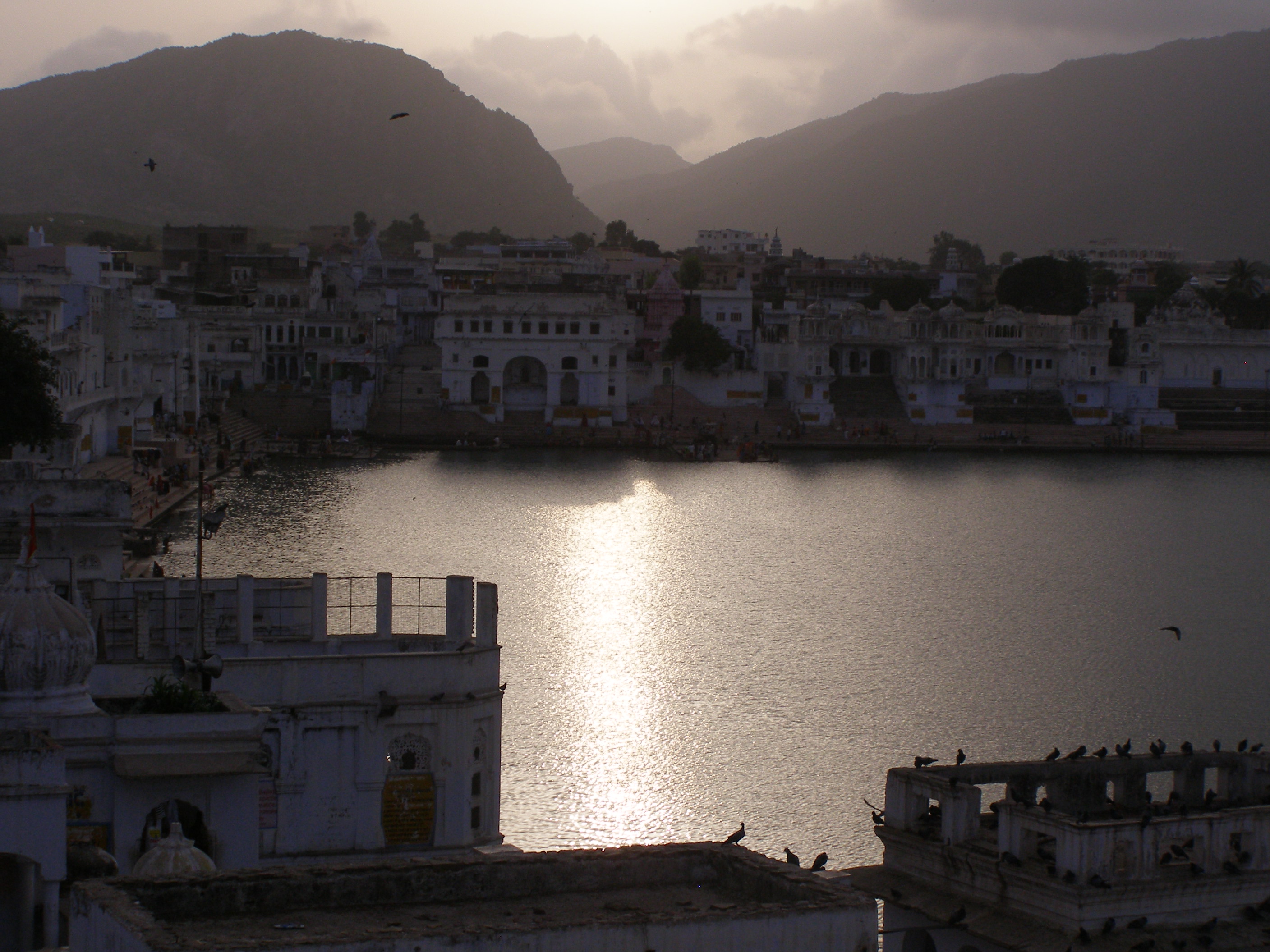
In the Rainbow café, the music competes with the singing from the kitchen. It has floor cushions around low tables overlooking the magnificent lake. Steps, temples and washing ghats tumble down to the water. Pigeons, cows, dogs and monkeys compete for the food put down for them. The whole town is vegetarian and there is a list of rules for visitors. Tash and I got told off for walking with our shoes on where we shouldn’t have. You are not allowed to show signs of affection in public and there is to be no meat, alcohol or drugs (except for the surreptitiously named ‘Baba Special Lassi’).  Tash and I shared one and had a lovely evening in the brightly-painted Rainbow Café, playing cards and drinking coffee.

In the Rainbow Cafe

The spectacle of the old waiter in the loin cloth dancing to the Cheeky Girls’ “Touch my Bum”, his thin legs strutting rhythmically beneath his baggy lungi, while from the kitchen there comes a raucous, happy, but unconnected singing from the chefs, who seem to have been at the bhang lassi, huge ants everywhere and many other creatures hopping about on the floor cushions, big green lizards catching moths, their bright bodies standing out garishly against the purple, orange and yellow walls.

16-08-07 Pushkar

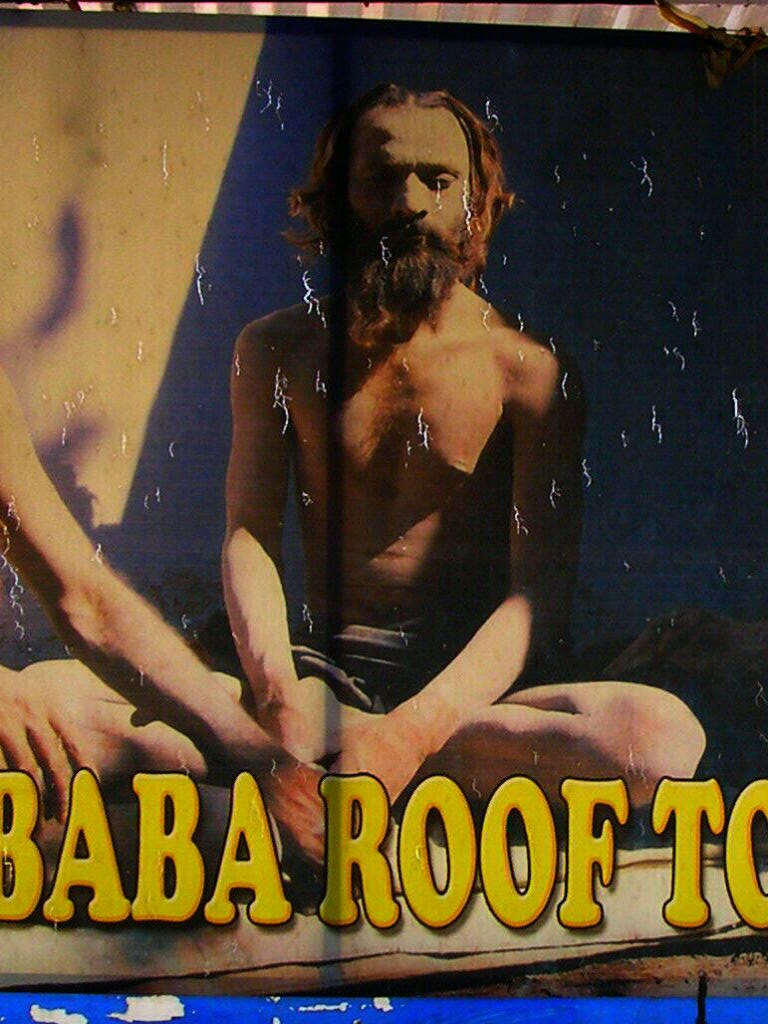
We got up for the sunrise over the lake. This was amazing, given that we were up in the middle of the night to change rooms once we discovered how many bugs we were sharing our bed with. The new room has a toilet that can only be described as shockingly disgraceful. As we walked to a café for breakfast (which was dismal – weak watery coffee) there was an incident; Tash got butted by a cow that she walked into while ambling along looking around but not where she was going. She maintains that she was charged and gored by a rampaging bull. On closer inspection, some of the wandering cows are definitely bulls. In truth, the beast hooked its horns under her top and she was unsure if it was one of those with long and very pointed horns and had cut her. Luckily it was only a bruise but she was quite shaken. Then we moved hotels, had a siesta, and started the day again with a second breakfast, damn fine coffee, and bhang lassi in the Baba Rooftop Restaurant.

The rest of the day we walked around the lake, to the quiet side away from the bustle of the shops ending up in the Sunset Restaurant, appropriately watching the sunset, the freaks and listening to the musicians on the street. The man who danced around to the amazing drummers looked as if he had blown into Pushkar in the sixties, had bhang lassi for breakfast every morning, then somewhere along the way had lost his marbles, given up washing, started going to temples, and decades later is still here.

21-08-07 Udaipur

It has been said that in some way people end up with the faces they deserve.  Cruelty or bitterness can etch their own marks into the skin. Equally, kindness can create benevolence, almost intangible, something in the lustre of the eyes. Some faces are lined by age, wisdom or experience, others, like the monk in the Jain temple at Ranakpur, somehow radiate peace, youth and purity, an inner peace which brings its own wisdom. In the Jain temple Tash and I are interviewed for national television about our views on photography in such sites. Ranakpur is a temple with one thousand four hundred and forty-four white marble pillars, each one an individual, intricately carved column.

The overall effect is one of tranquillity and beauty. We had shared a taxi with an Australian student and a Swiss mountaineer to do the two-hundred-kilometre round trip to Ranakpur and the impressive Kumbalgarh Fort.

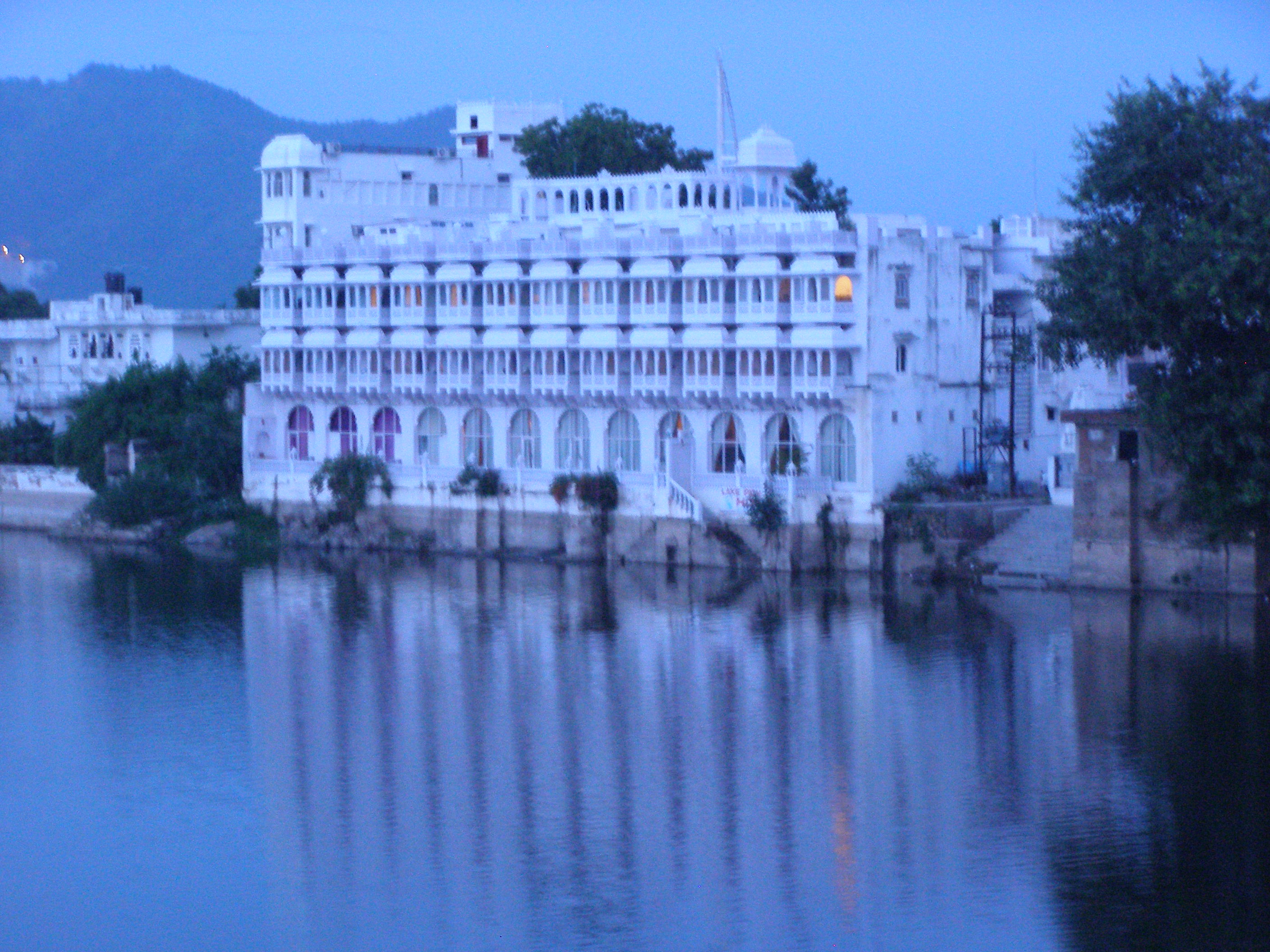
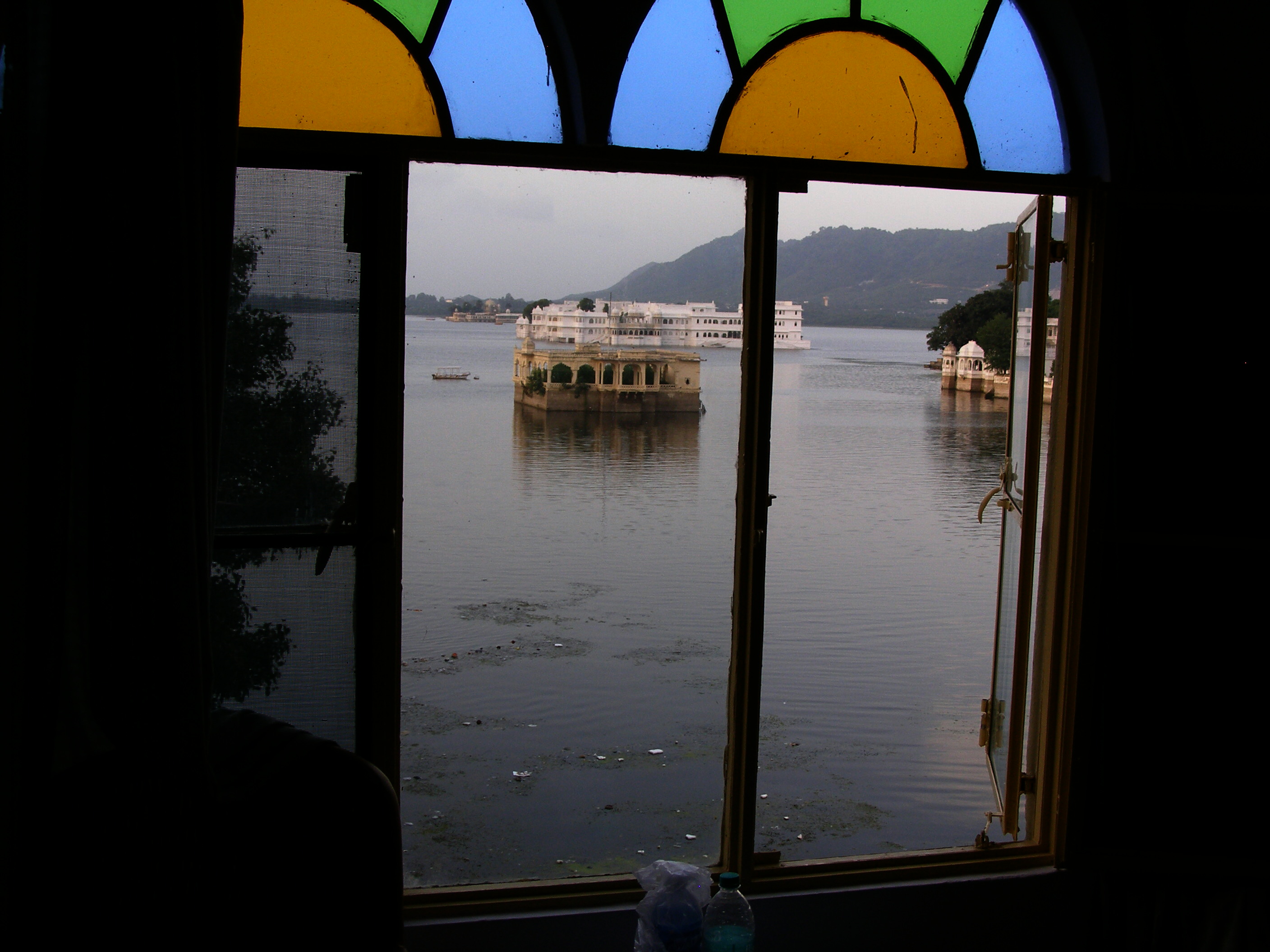
Our hotel room in Udaipur has three windows overlooking the lake. The Bond film “Octopussy” was shot here and plays in many restaurants every night! Udaipur is widely acknowledged as one of the world’s most beautiful cities. The bed is set into an alcove in such a way that one side is a window over the lake and the foot overlooks the dhobi ghat. It is certainly a nice view to wake up to. And in Udaipur, I had a very smart, silk Nehru suit made, almost Roger Moore in its elegance… well with a bit of imagination, one can at least feel like Roger Moore… almost.

The Eidelweiss Café serves the best damn fine coffee in town. Sadly it also induces Tash to sing that awful song from “The Sound of Music”… repeatedly. The numerous motorbikes, sometimes carrying whole families, worry me even more since witnessing three people coming off their bikes in one day. Tash is still wary of cows. I hope we never come across a cow on a motorbike.

8-09 Udaipur to Mumbai

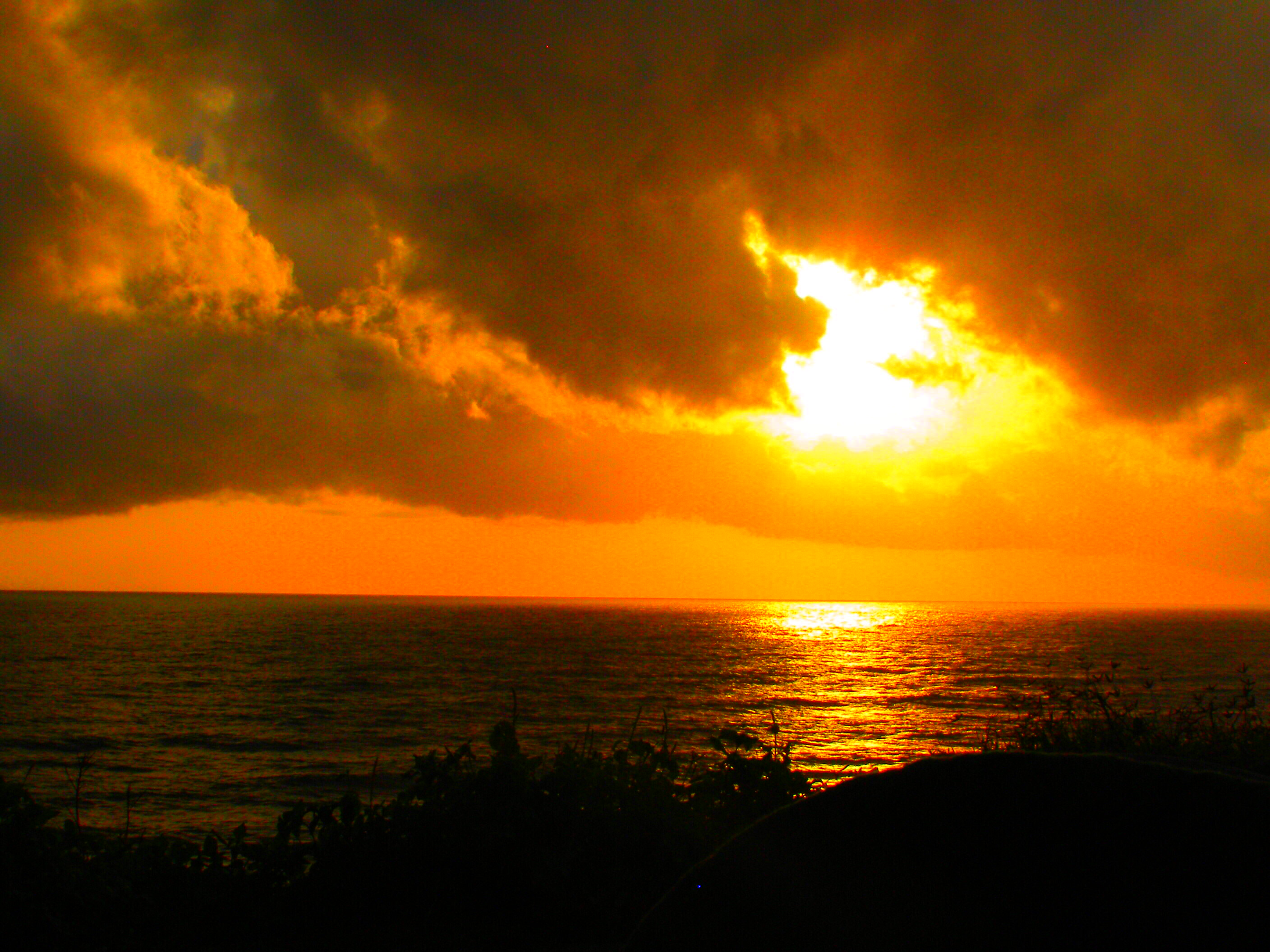
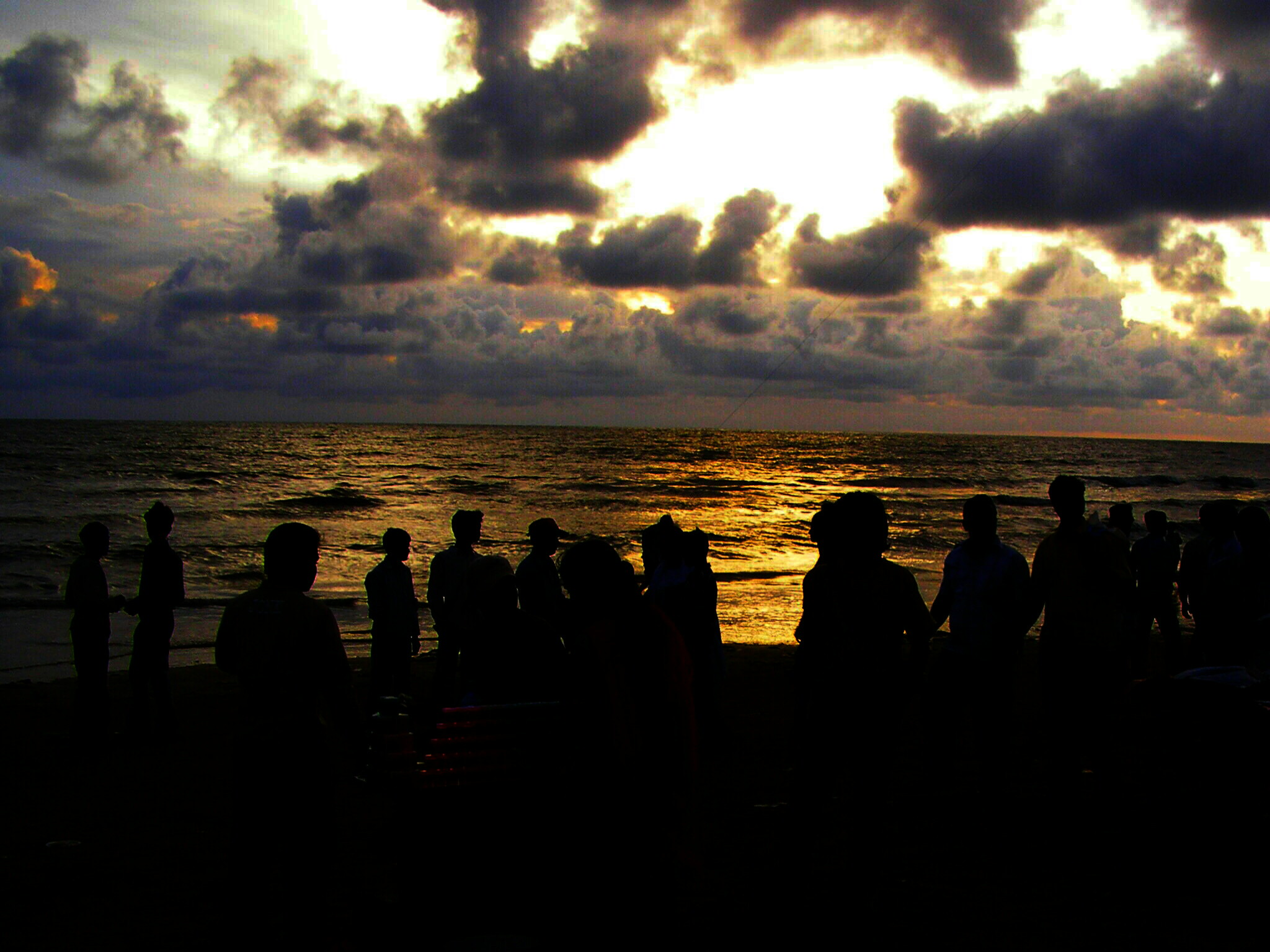
There is a long wait at the bus station for the overdue bus. Thank goodness for the bhang lassi we had first – it eases the tedium. And a very good thing came out of this wait. I have found a way to stop Tash from singing that dreadful Eidelweiss song, even though we went to the café for breakfast again. Tash is sitting there grimacing at the sound of a good, throaty hack from a rickshaw driver. She detests this. So all I have to do is to sing, “I’m too s(insert hack)exy for my phlegm, too s(insert hack)exy for my phlegm…” This is fantastic! And to cap it all we did actually see a cow on a motorbike. We didn’t really, I made that last bit up. Although this is a long wait I have found the song to end all songs. Maybe I will insert a hack into the word “phlegm” next time for added effect. On the bus, I am woken up by the bumping to see Tash in mid-air having been launched there from the bed as we hit yet another pothole. On the last night in Mumbai, we enjoyed a tasty thali and watched the sunset on Juhu Beach, where a man asked if he could take our photograph. Here the tourists have become the sights. It seems like an appropriately bizarre way to end the trip and the sunset is stunning.

The Malodourous Departure From India

The customs lady asked me to open my rucksack at the airport. But once she catches the scent of a month’s worth of clothes that, even though clean, have never quite dried in the humid air, she quickly and with great authority orders me to close the bag. Oh me! How to remember this experience in all it’s vivid liveliness? And do you know what? After this Indian trip I think I actually might know the answer: go and buy a cow.