Alicia Keys perfectly sums up my thoughts on those Teaching Assistants who are running Educare for vulnerables and children whose parents are keyworkers, the supportive under-the-cosh-head-teachers we work for and those teachers who feel like they are down on their knees this Friday evening. What a brilliant songstress she is: https://www.youtube.com/watch?v=QGSORkkCcl0
If you know any teaching assistants/teachers/ headteachers please send this song to them. If you are one of those, then this is for you!
Lockdown always seems to bring on some vivid dreams.
My Mum, who at 85 is living with Alzheimer’s in a care home, came into a dream last night.
“When old people were dying, we always used to cuddle them. Now they don’t do that,” she said.
Someone else was there; I don’t know who it was. I had the feeling it was my Dad, but did not see him clearly. I got up to go and give her a hug, but stopped short, thinking, “What if I am the one who gives her Covid?” And then I woke up with a start. It was ten to four in the morning.
I can’t say I am enjoying this lockdown. And worst of all it ruins your travel plans. Last year we had planned a road trip around Spain and Portugal, but the virus put an end to that. This year we were hoping to do a trip up to Scandinavia and this is looking less and less likely too. So, lack of travel sort of curtails more travel blogs. Because of this, I thought I’d start a lockdown area on the blog. I want to look out for the bizarre, the curious, ironic or just interesting things that may come out of the current situation, but in a non-partisan way. After all, it is exactly these sort of discoveries that are one of the major reasons to travel about the place. So here is the first one.
My boss wants us all to take lateral flow tests twice a week. She said that if anyone was vegetarian, then they should check out the Vegan Society’s website. I am a vege (or more accurately a pescatarian) and that apparently qualified me to be tasked with finding out the information on behalf of other members of staff who don’t eat meat. I searched the Vegan Society’s web pages, as well as a general search on line, asked on the union’s Facebook page but came up with nothing. Until finally someone posted on the NEU site to say it was to do with an enzyme used in the test which is synthesised from the ovaries of hamsters. It is true! I don’t want to go into the merits or otherwise of lateral flow tests – non-partisan, remember?
How on earth did scientists stumble across or discover this, that’s what I want to know? But here’s the nub: it’s not just any hamster… it’s the Chinese hamster! So, the Chinese may have given the world the virus, but at least they had the good grace to gift the world hamsters whose ovaries could be used in a test for it. Now that was an irony I could not let pass me by without at least a little comment. Love it! But I still want to know how on earth it was discovered.
This is a fabulous video. The sky is the director/colourist. Here is Coldplay, up on the citadel in Amman playing a set. I am biased, having lived in Amman for a few years. But let’s start with the scenery. It begins at dawn and the wonderful shots capture the sand coloured buildings in the early light. But as we progress the sands become darker. more defined: pastel browns, the oranging sky, bedecked with flights of birds, offers us more pink-tinged sunrise hues, muted sands on the buildings turn to dark golden brown or even hints of purple sun colours. This is the Amman I remember. Water tanks on roofs, buildings clinging to the jebels (hills), and colours changing with the light. How did they avoid the early morning mosque calls to film this?
I loved the way the song titles were subtitled in Arabic. I loved the use of local musicians (Paul Simon take note). I noted the Arabic tassels on the mic stands with pleasure. These guys embraced the local culture for sure. Were they not slightly suffering from vertigo when playing on top of the amphitheatre?
Now to the music. Stunning. In “Broken Gospel” the synergy between lead and backing singers is absolutely tangible. “Daddy” brought a tear to my eye and the horn section in “Arabesque” tweaked my jazz mojo. The exuberance of the backers in “Orphans” was heart-rending. And all this whilst watching the sun rising over downtown Amman: what more could I ask for? Pure pleasure for me.
Here is the video you need to watch. It’s about an hour long but will help you to understand what a beautiful city Amman is, and what a great album this is from Coldplay. Thank you, guys. Kudos!
It’s a new word, a word for our times: a time of excess consumerism, especially during lockdown:
SIBBIOUSBILIA (sib-ee-us-bill-eee-a) noun – an acronym, meaning stuff (sometimes shit), I bought but Ionly used sporadically before I lost interest altogether. It is also used to describe the psychological state of buying such items obsessively. For example: “She suffers from sibbiousbilia,” or, “the house was jam-packed full of sibbiousbilia.”
But more to the point, sibbiousbilia explains why you can’t get into your garage. The one that is too small for modern cars and is filled with such junk. We don’t throw it out, give it away or sell it. I don’t know why.
Does anyone suffer, or live with someone who suffers from this debilitating condition? Does anyone know a cure for it?
I love this Jerusalema dance challenge that’s going round right now. It’s one of those things that shrinks the world. But the problem is that I can’t dance. My highest aspirations would be to achieve “Dad dancing”. And that would be a tough one… for me.
You see it all started (and finished ) when I was 14 years old. I was spending a summer in Singapore with a school friend and his family. His Mum busted me for smoking on the train up to Penang for their family holiday. She also let us swim in a typhoon in the sea and I learnt what it was like to be inside a salty washing machine having your swimming trunks and ears filled with sand as you tumbled, battered by a great weight of water from all directions. Still, I enjoyed the ride on the funicular up the mountain in Penang: it wasn’t all typhoon.
There was a disco at the German Club back in Singapore and it was the first time I had ever danced in public. My friend’s sister, afterwards, told me that I looked like I was running when I danced. And that was the start, and finish, of my dancing career. Fourteen-year-old boys are very sensitive, you know. I have never danced since that day.
So then recently, when I was 57 years-old, my boss decided that all staff could be given the “opportunity” to do the Jerusalema dance challenge as a team-building exercise to combat the stress we are all under because of the Covid 19 pandemic (he had recently visited South Africa). It was my worst nightmare. So I took the option not to participate and offered my services as the official cameraman for the event. I didn’t tell them about my lifelong hang-up. Afterwards (knowing that I play guitar and had a language degree), he challenged me to learn the song in the Zulu language. It is, to be fair, not very good. But believe me, it is a lot better than my dancing….
If you want to see the full video of the boss leading the staff in the Jerusalema dance, it is here: https://youtu.be/esshOXJmuJ8
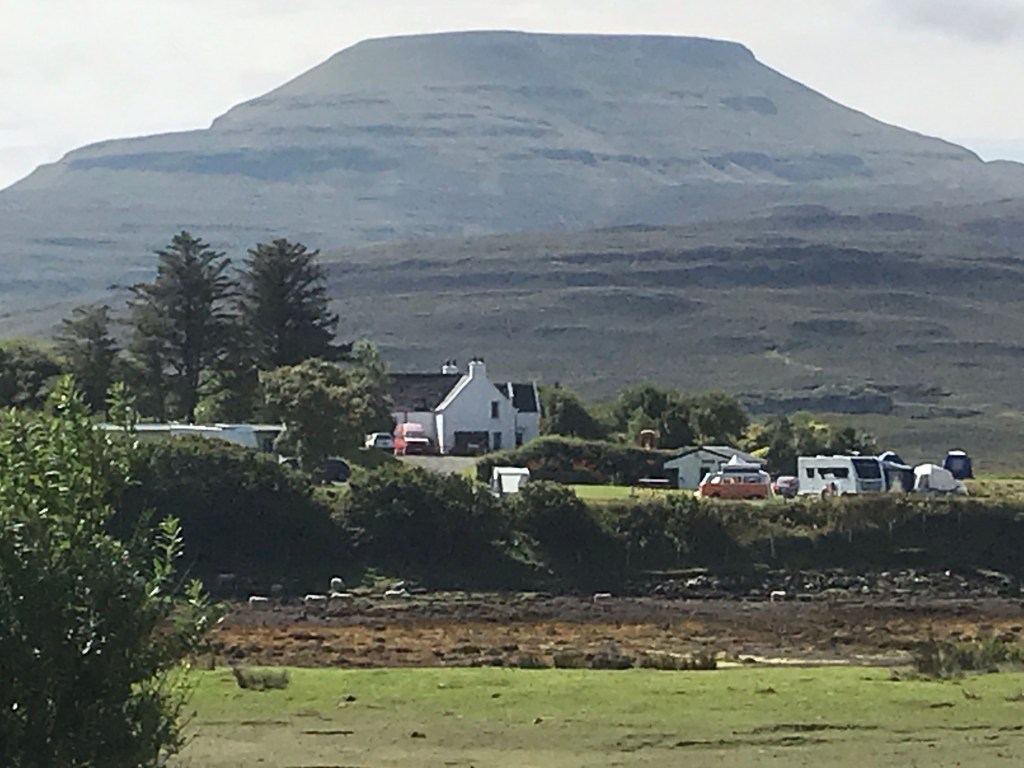
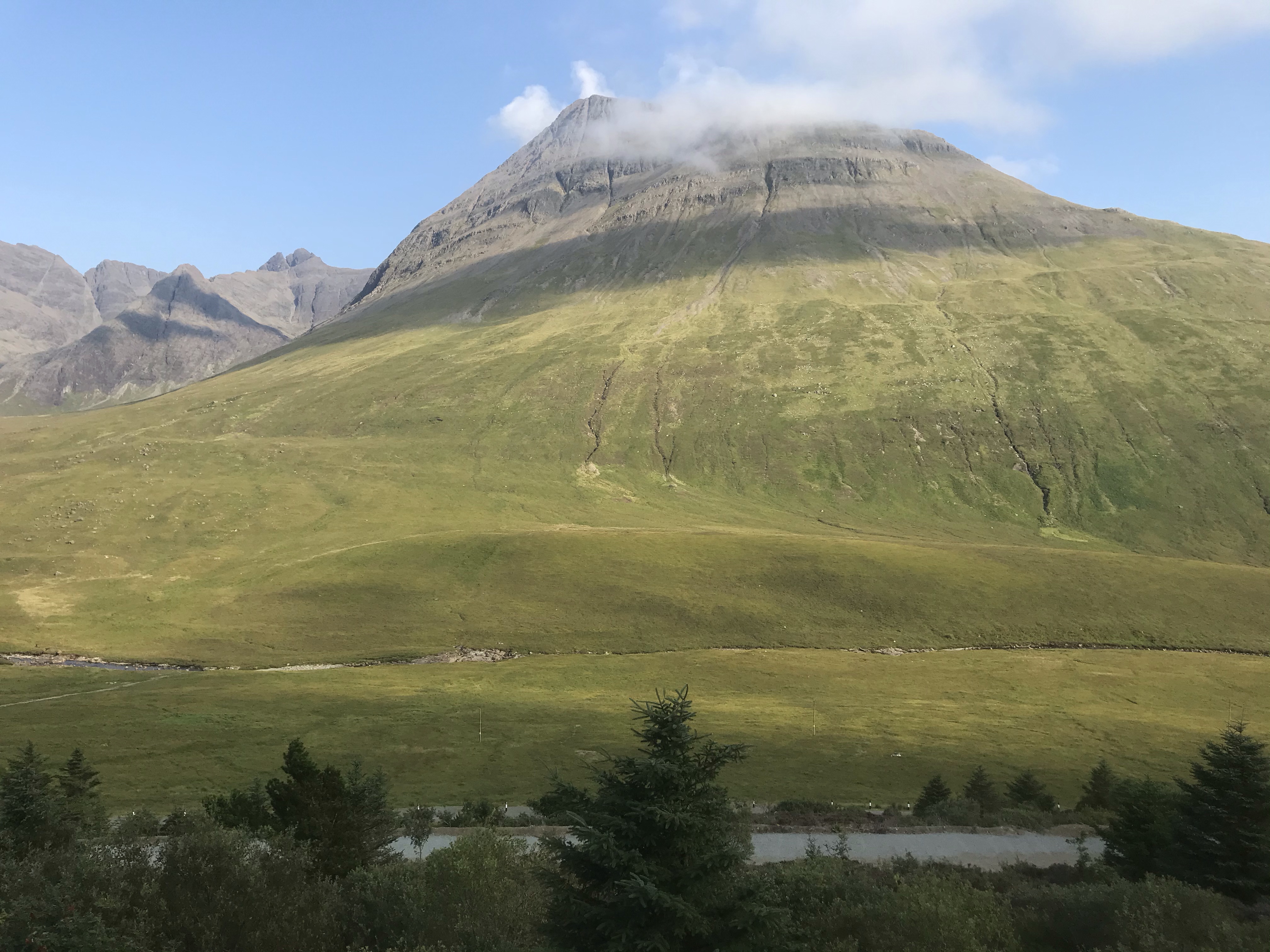
Despite its incredible beauty, the Isle of Skye has a turbulent history which began 56 million years ago when volcanic vents and their big brothers raged. Eventually they agreed to cool down and left us with the stunning mountain-scape of Skye that we see today. It is now known that one of these volcanoes erupted with such force (more than the Krakatoa eruption) that it sent the global temperature up by eight degrees, changing the world’s climate in one fell swoop. We camped under a volcano.
One of the prides of Skye is the Talisker distillery (closed because of the pandemic) and its fine whisky. It is also home to the clan MacLeod, whose castle (closed due to the pandemic) is in Dunvegan where we pitched up on the north west coast. The history of the clan rivalries is no less violent than that of the volcanoes and many stories of treachery, bloodthirsty deeds and massacres are told in the folklore of the clans around here. It is a tale of tit-for-tat violence. Let’s pick it up with the massacre of almost the entire population on the Isle of Eigg (395 out of 400), the home of the MacDonalds, in 1577. They had been hiding in a cave for three days when they were discovered. The Macleods blocked the narrow entrance to their hideout with heather and other vegetation before setting the material alight, leaving them to be suffocated by smoke and then left their bodies in the cave. The Eigg MacDonalds subsequently sent a party over to Skye and dispatched the Macleods, reserving the worst fate for the first son of the chief of Macleod of Dunvegan by breaking his limbs and putting him adrift in a little boat without oars, condemning him to a slow and painful death. And then we have, at a place called Harta Corrie, near Glen Sligachan in one of the most remote parts of Skye, another fierce battle taking place between the MacDonalds and MacLeods; legend has it that they fought for the entire day until every MacLeod had been killed. The bodies of the slain were then stacked up around a huge rock which subsequently became know as the The Bloody Stone. This is just a taster of the feud.
Dunvegan Castle – home of the MacLeods.
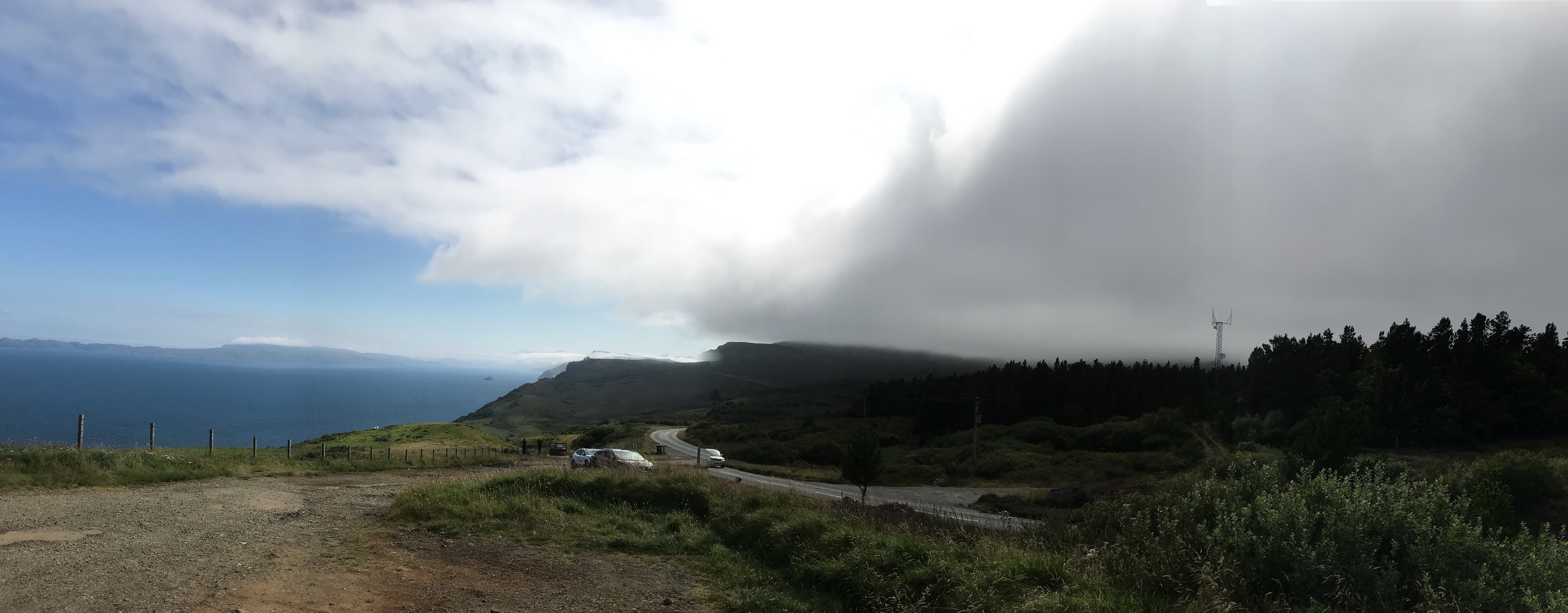
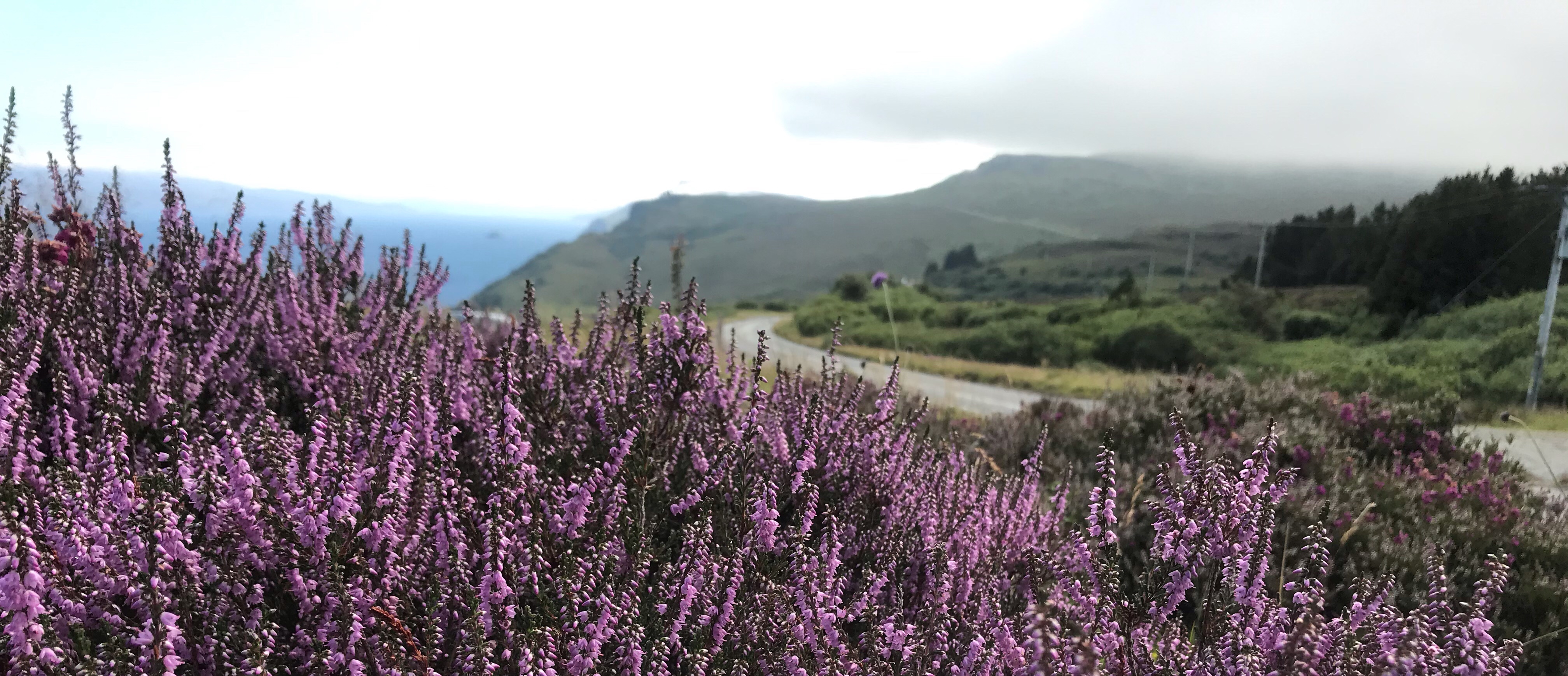
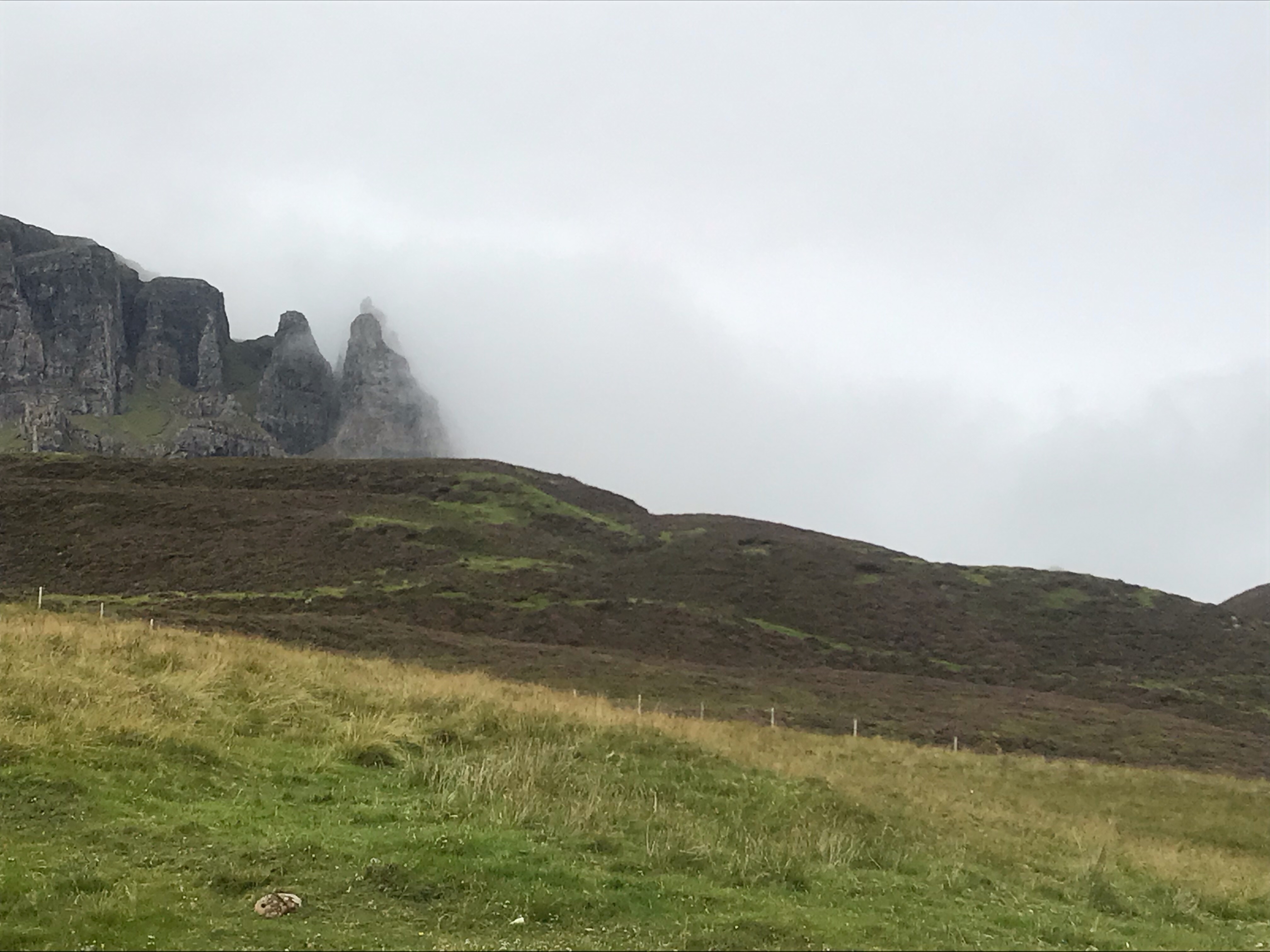
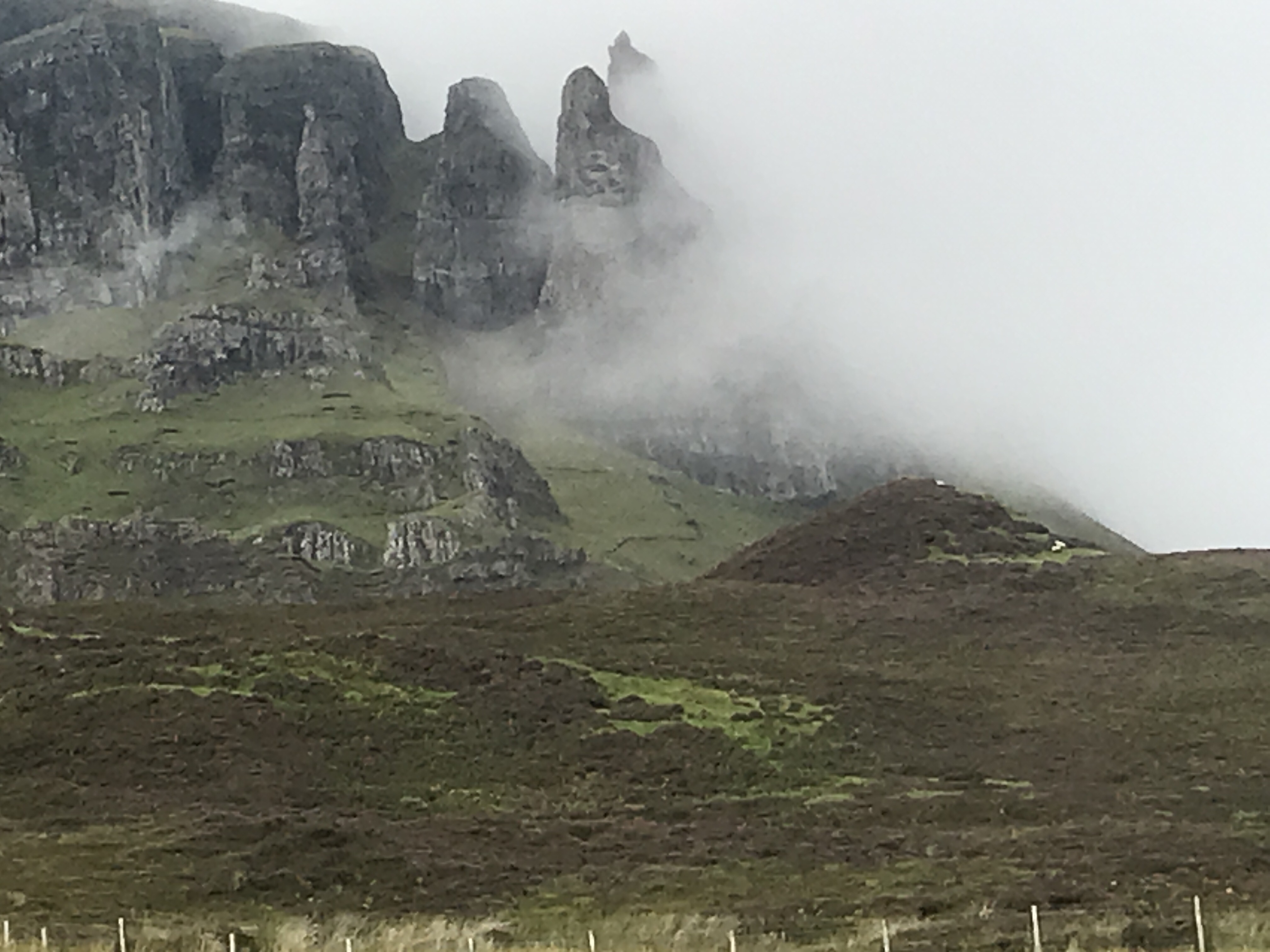
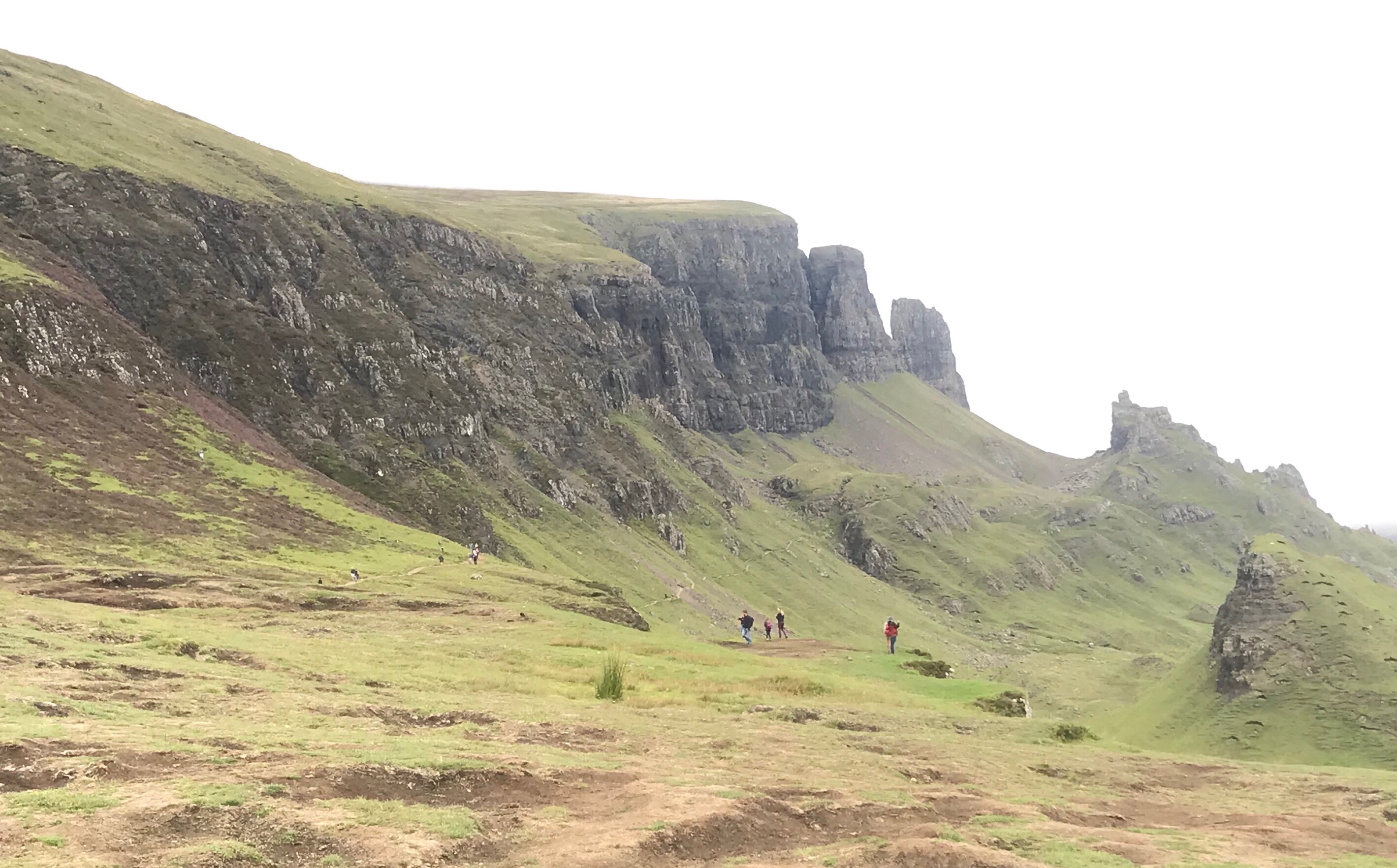
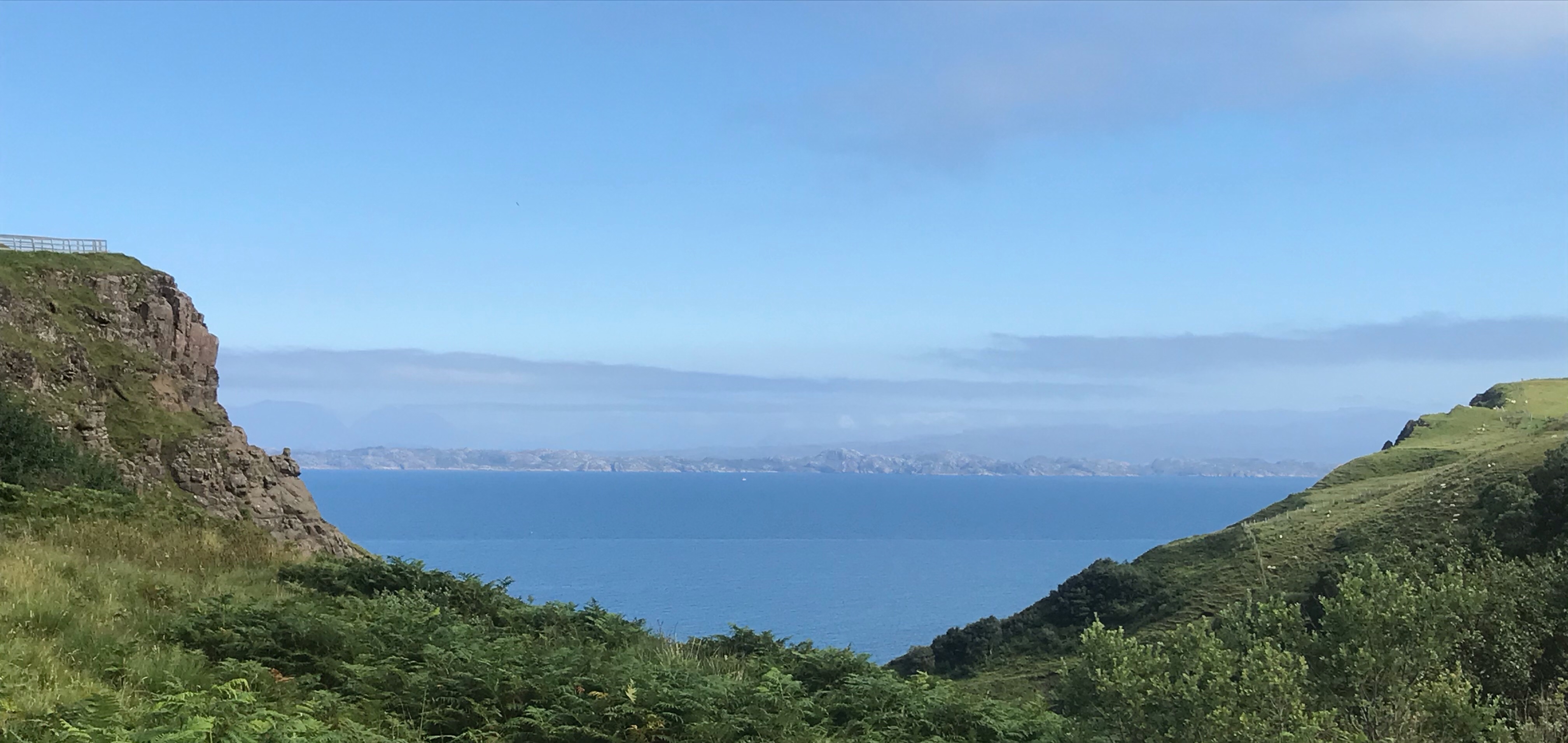
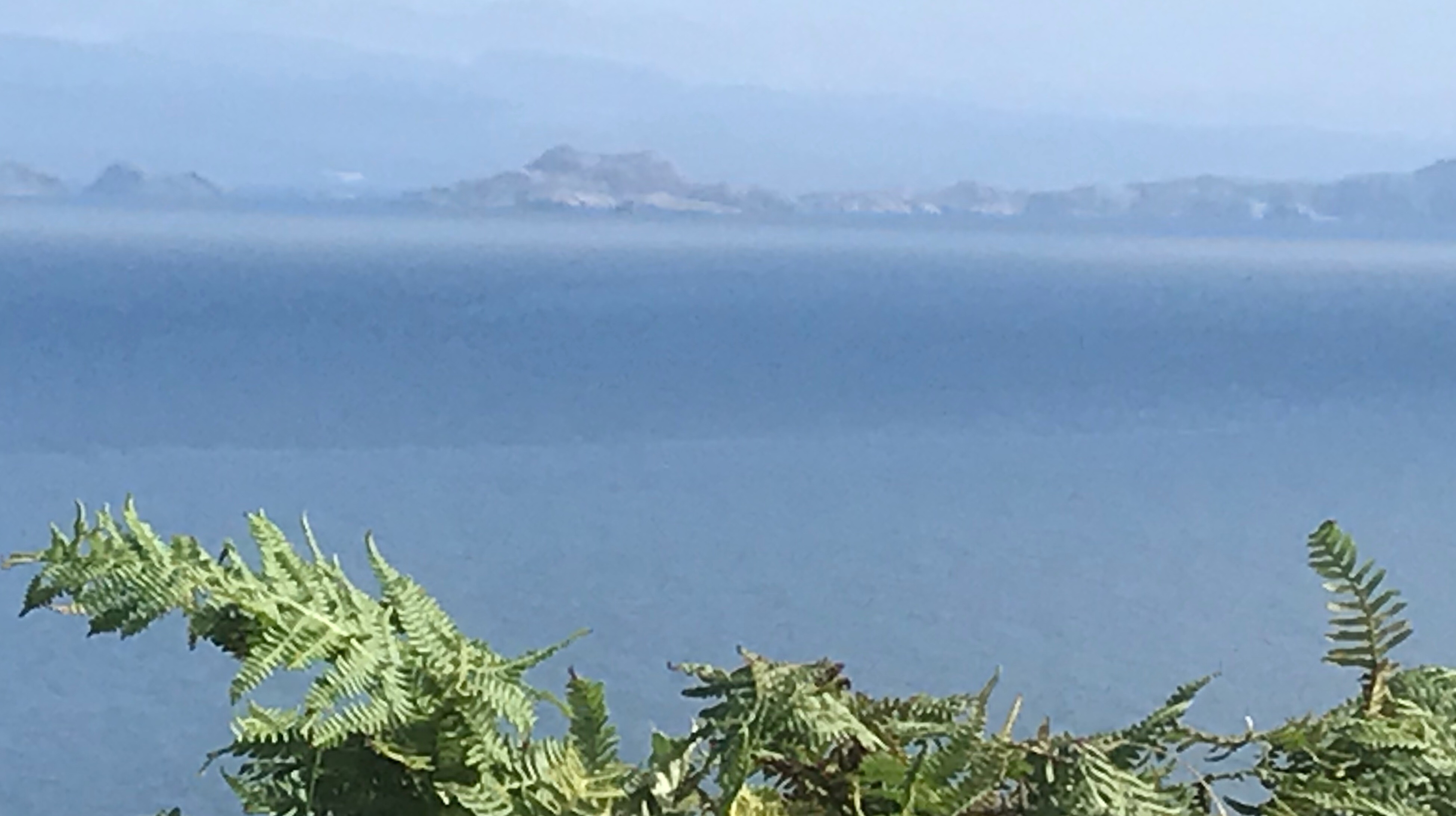
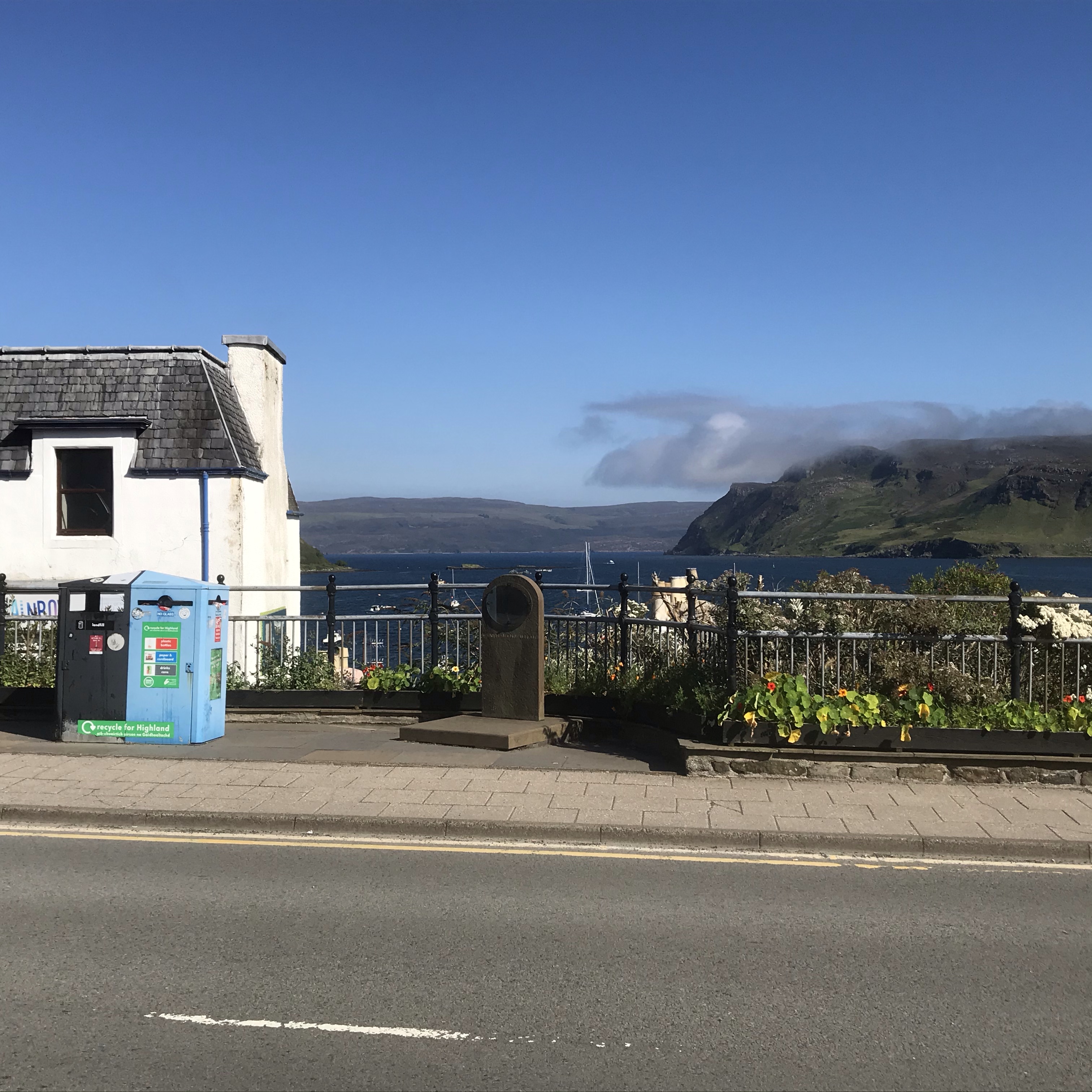
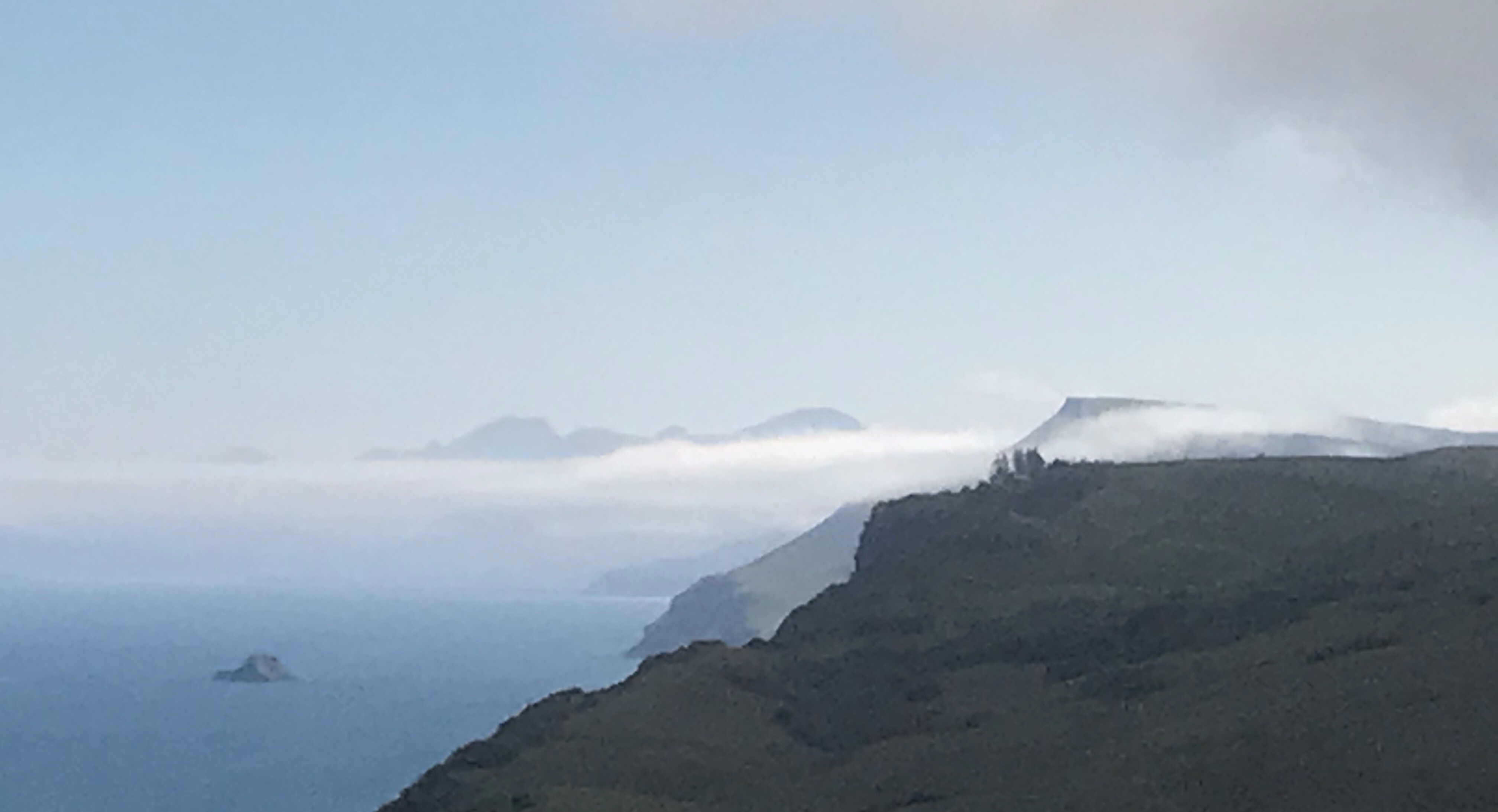
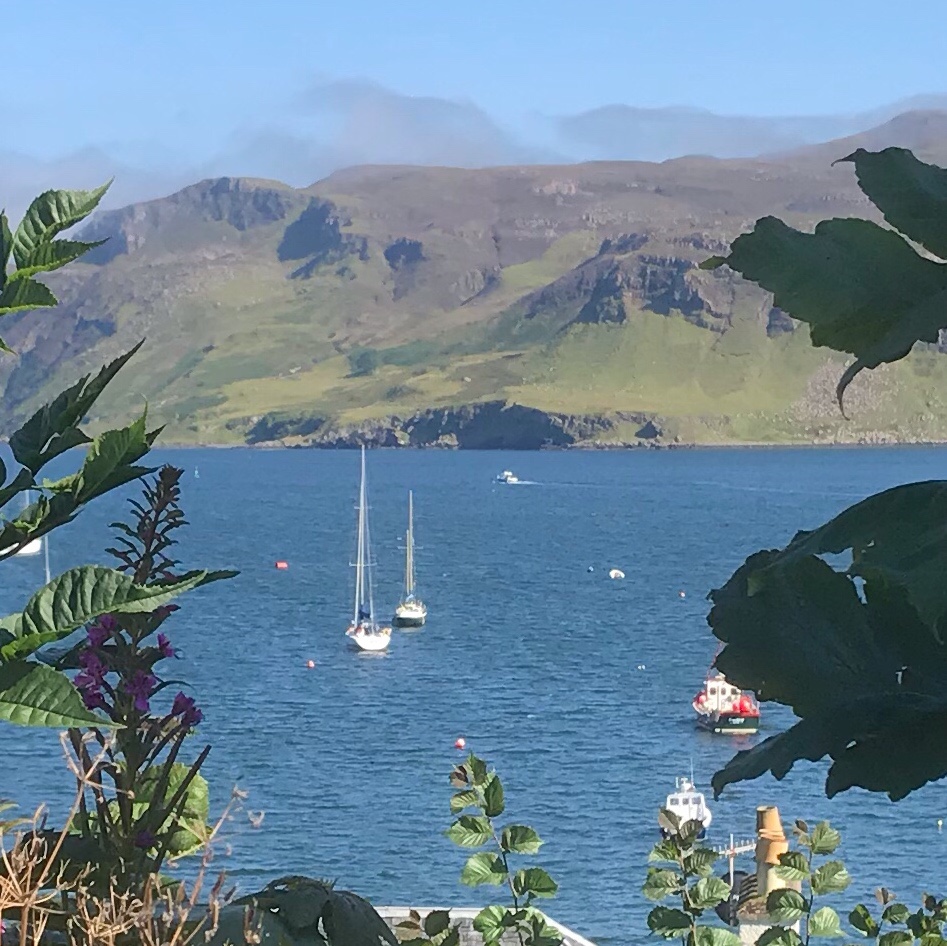
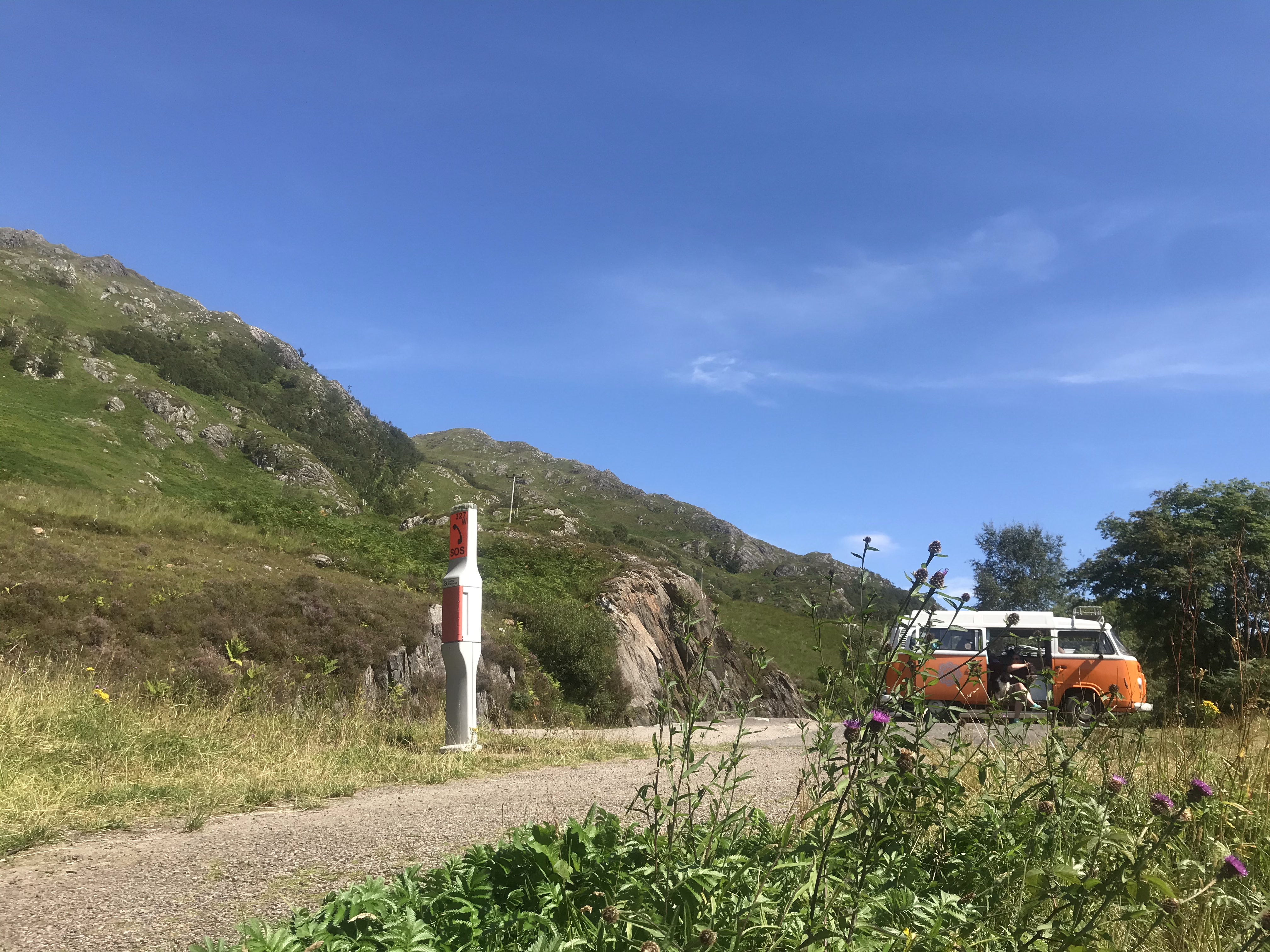
So what to do on Skye when so many places are closed? Well, quite a lot actually. We worked out that the island is a slow-burner. It is something to do with colours. The longer you stay there, the more it takes hold of you. Perhaps this is because you see one stunning view and then over the course of days the colours keep changing, creating entirely different landscapes. The pitch-dark, angry sky has changed from its former luminescent light blue, the mountains from tawny brown to jet-black. And then there are the perfect sunsets in pinks and orange and whatever colour you get when the two are mixed. Seaweed is not yellow, but not green, yet somehow both at the same time. In the lochs, the waters can sparkle with blinding, shimmering silver, take on a vivid turquoise or deep, rich blue hue according to their mood. The wispy fingers of low clouds sometimes slice the cones off former volcanoes, cutting them in half, their slopes cloaked in purple heather, thistles, ferns and yellow gorse flowers. All this may explain the number of artists and studios you come across when driving around in the middle of nowhere. I can think of few other places where your inspiration is so magnificent and so unique in its constantly changing character.
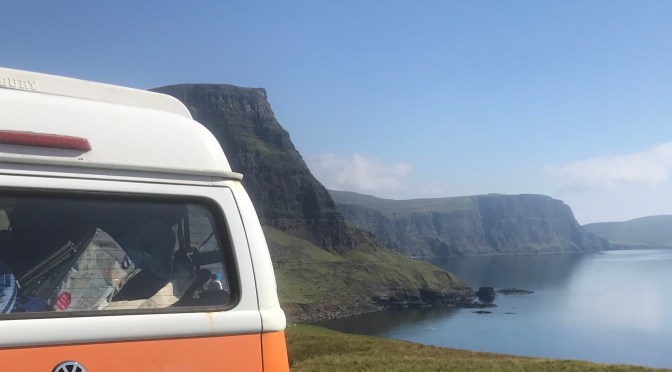
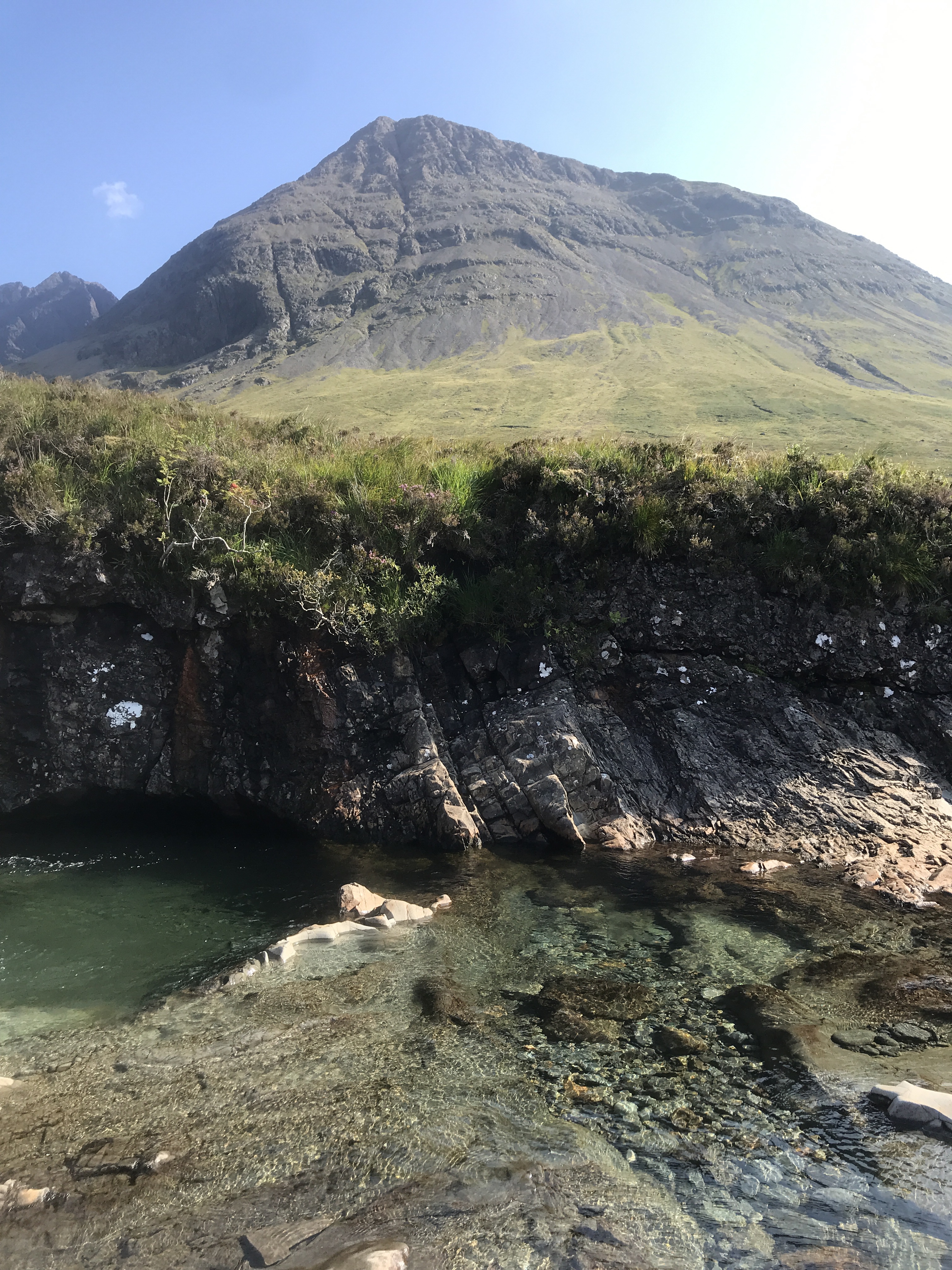
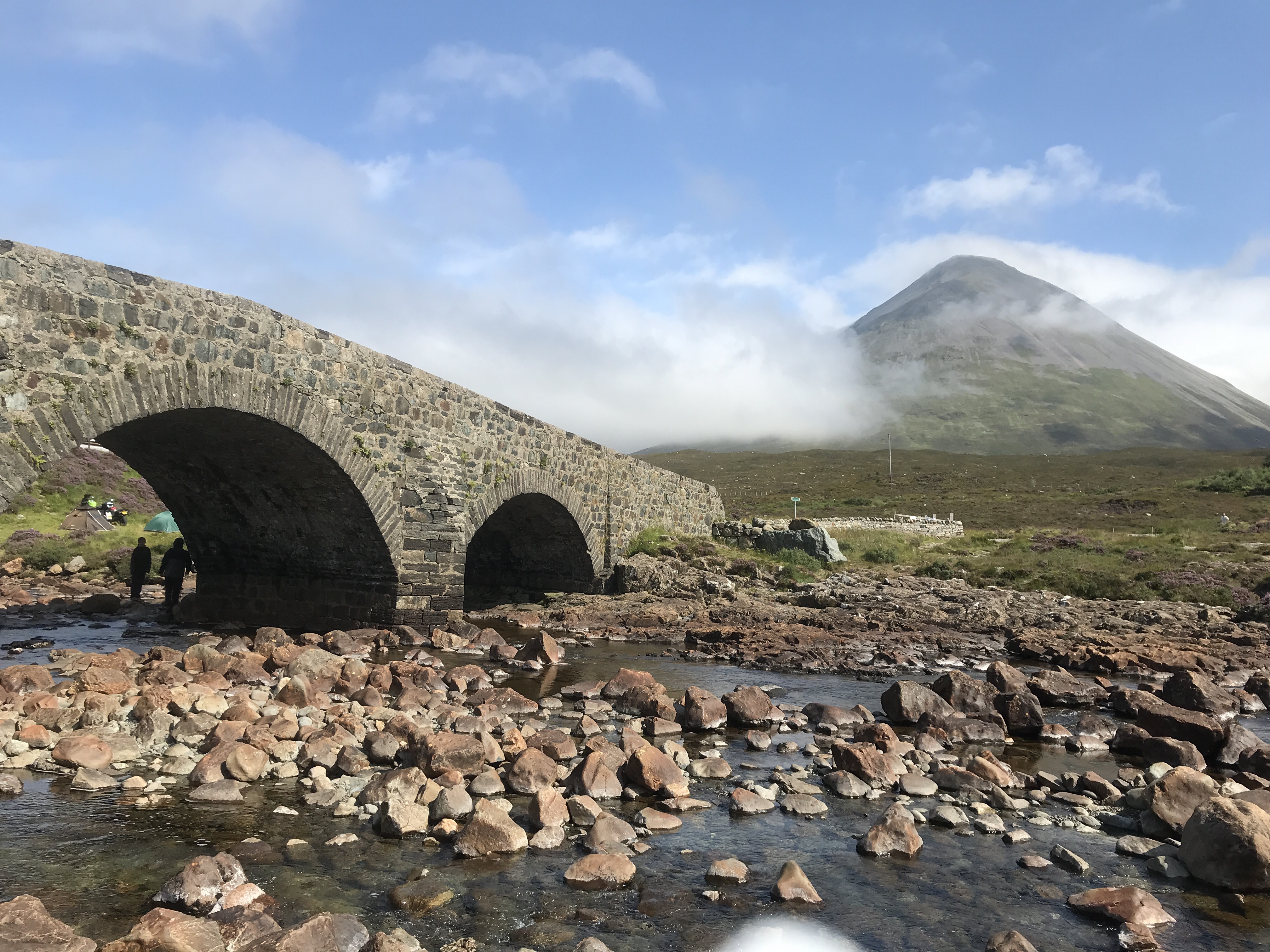
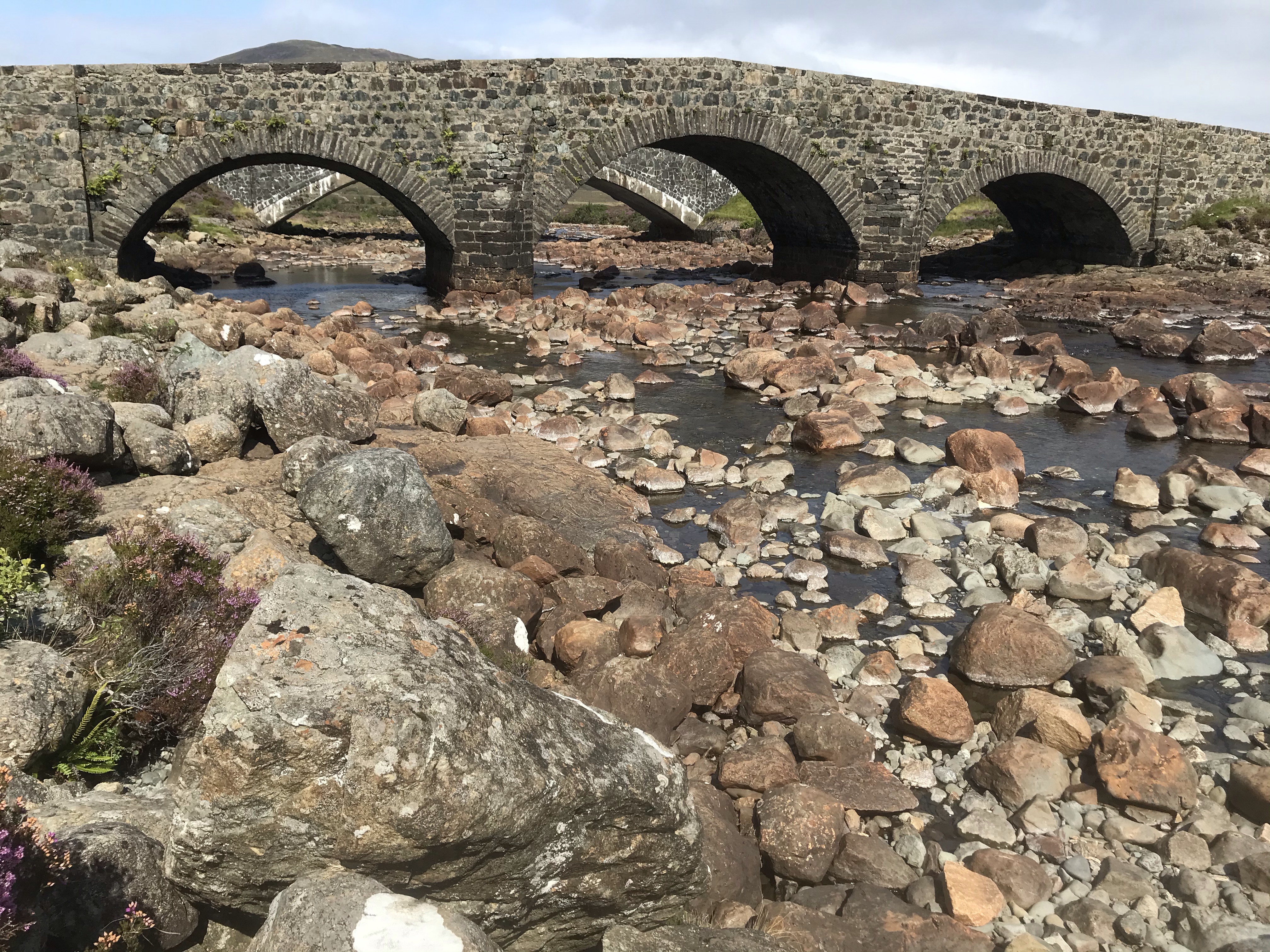
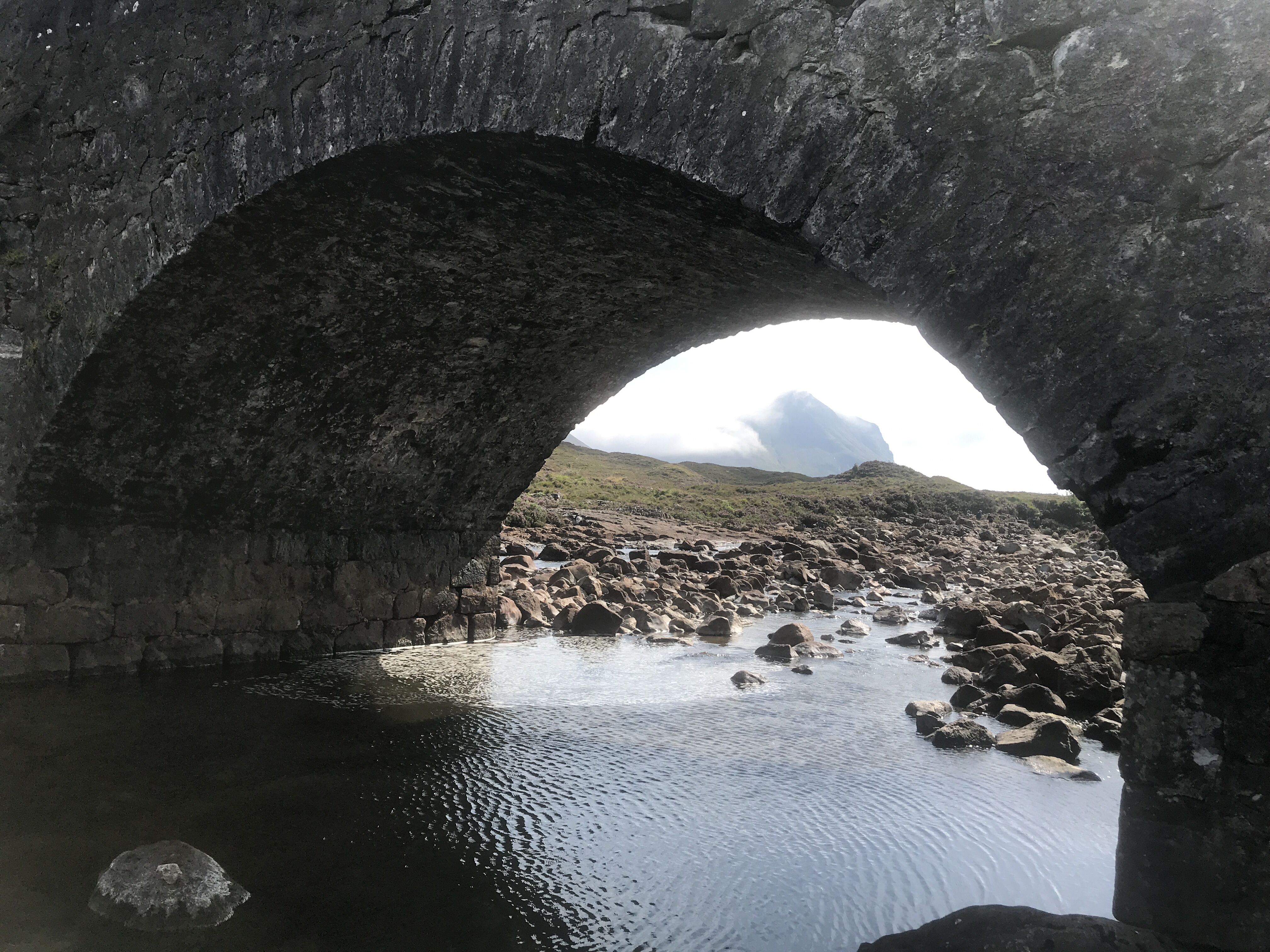
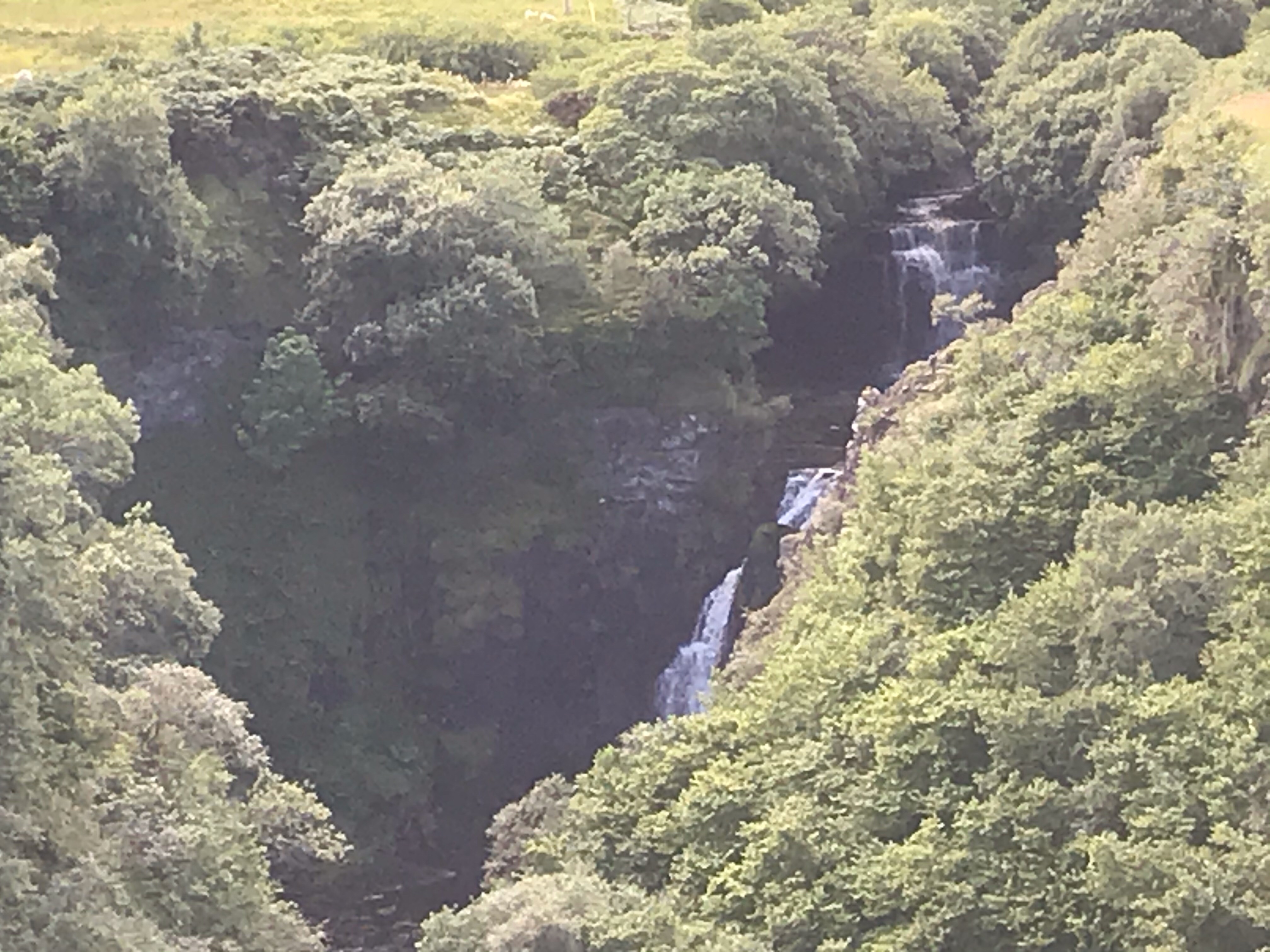
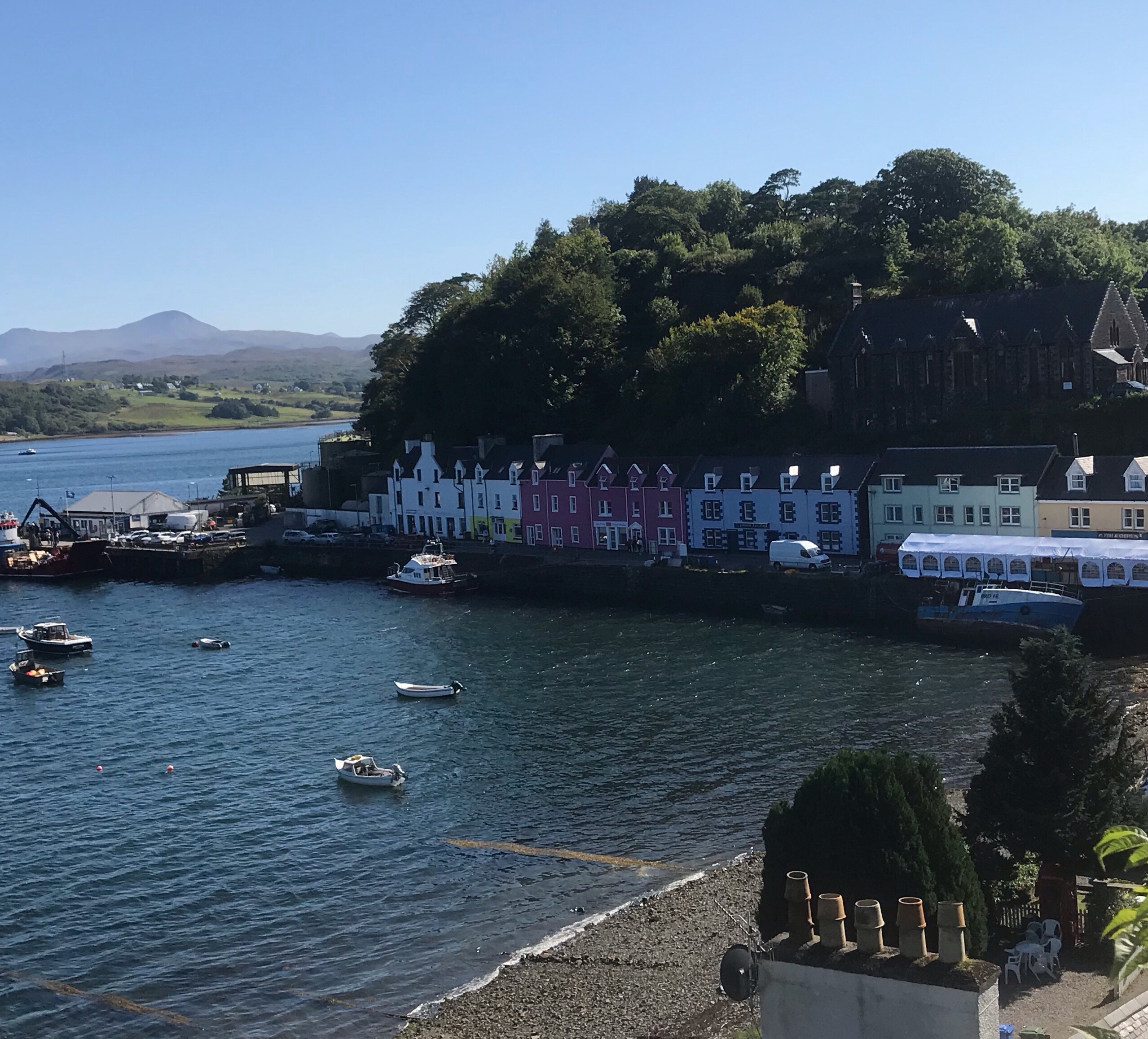
We took advantage of the government’s scheme to eat a fine half-price meal in a pub in Portree, of vegetarian “fish and chips” (generous slabs of beer-battered halloumi). There were many beauty spots to walk around and marvel at the scenery. Fairy pools is a chain of pools and small falls formed as the river makes its way down the mountains. At Neist Point there is the perfect vista of cliffs above the sea near the lighthouse. There were enchanting waterfalls to explore and everywhere the white houses are surrounded by large expanses of perfectly-kept lawns. There are no large supermarkets on Skye and many people grow fresh produce in poly-tunnels. The Cuillin Hills offered dark, jagged peaks silhouetted against the sky, which wore whatever colours it had chosen for the day and we visited Slighachan, noted for its ancient bridge and brewery near to the site of the massacre of the Macleods at the Bloody Stone.
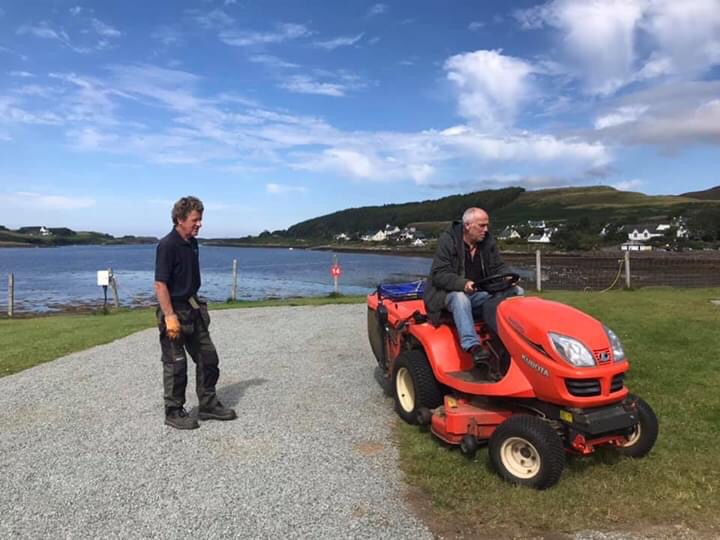
I was hoping to find some of those excellent “Little Willies” that we had discovered in Fort William (see Part 1) on Skye, but the small store in Dunvegan did not sell them. On returning to the campsite on the shore of Kinloch, a man (who by happy co-incidence was also called Willie) was cutting the grass on his ride-on mower. I think I had better call him Big Willie from now on so we don’t confuse him with the sausages.
“That looks fun,” I told him.
“D’ye wanna have a go?” Big Willie asked. So I did.
The people we met on Skye were so friendly and who does not love a Scottish accent? Even some of the names on the map (Rubha Hunish, Loch Snizort, Loch Slapin or Feriniquairrie) make you read them in your head with a Scottish accent. Try it!
So after a week we found ourselves completely in love with Skye and musing on what it would be like to live here. It is a gem of the Scottish landscape and deserves a visit – pandemic-induced closures or not. Slipping into Skye time and just watching the colours around you change is as close to perfect as you can get for me.
It’s a long way from Devon to the Highlands of Scotland, so we took a leisurely attitude towards the journey north, stopping off in Ledbury, Herefordshire, for a couple of nights where we set up camp under a couple of plum trees on a farm site.
From there we took a night in Lockerbie at a cheap hotel where the receptionist, Lisa, was busy checking in a queue of people in face-masks two at a time in a calm, friendly and professional manner that put the staff of that four star hotel in Prague to shame. The plan was to not have to unpack Peaches and set up camp for a one night stop on the way up and down and this was half way-ish between Totnes and northern Skye, so a Days Inn at a service station fitted the bill perfectly.
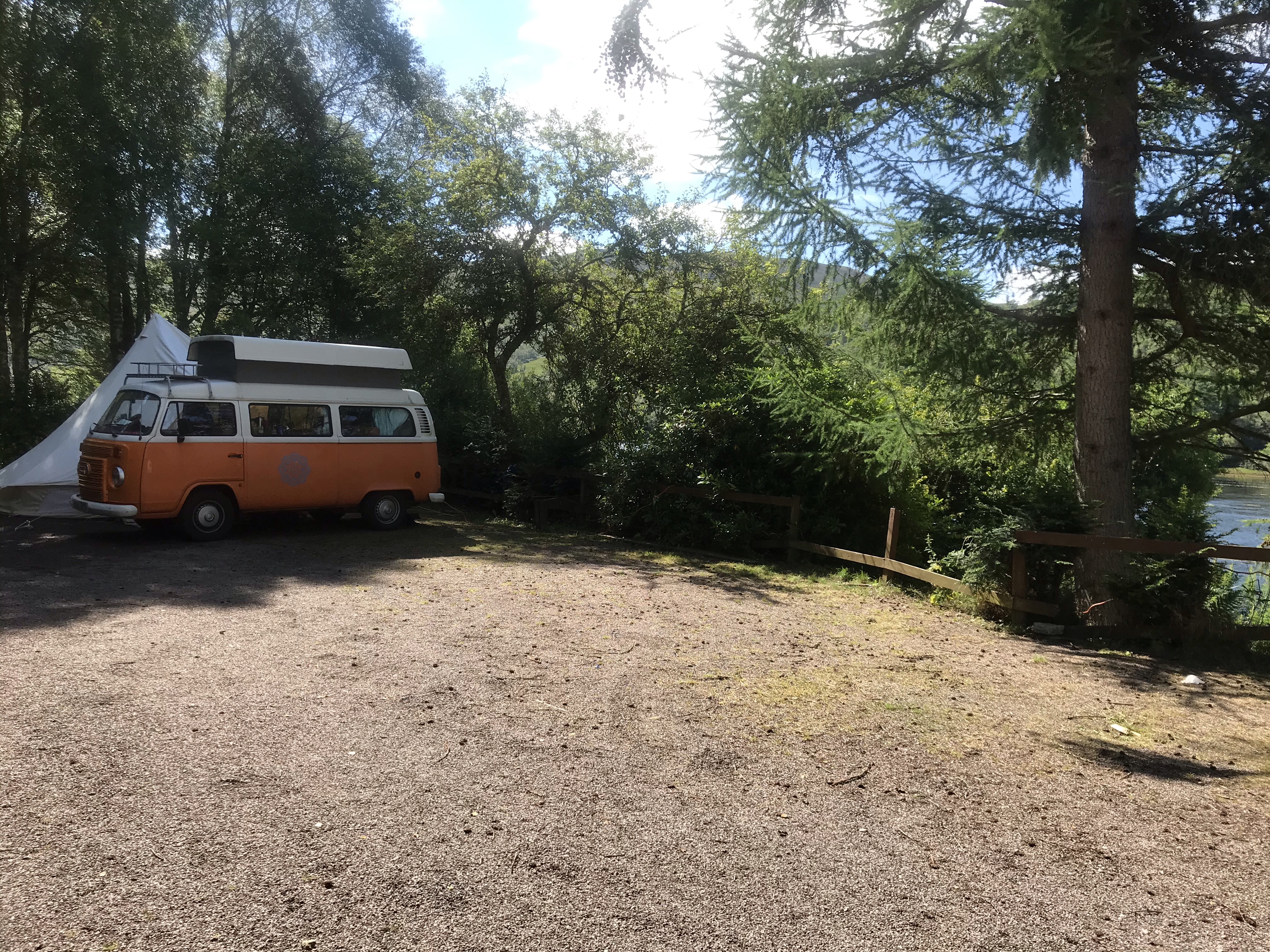
The site at Loch Linnhe had closed all facilities due to corona virus so we had to be self sufficient on the gravel pitch we had. But that did not stop them from stacking campers and motor homes cheek by jowel to the extent that we were just about blocked in by the arrivals next to us in our once spacious end pitch.
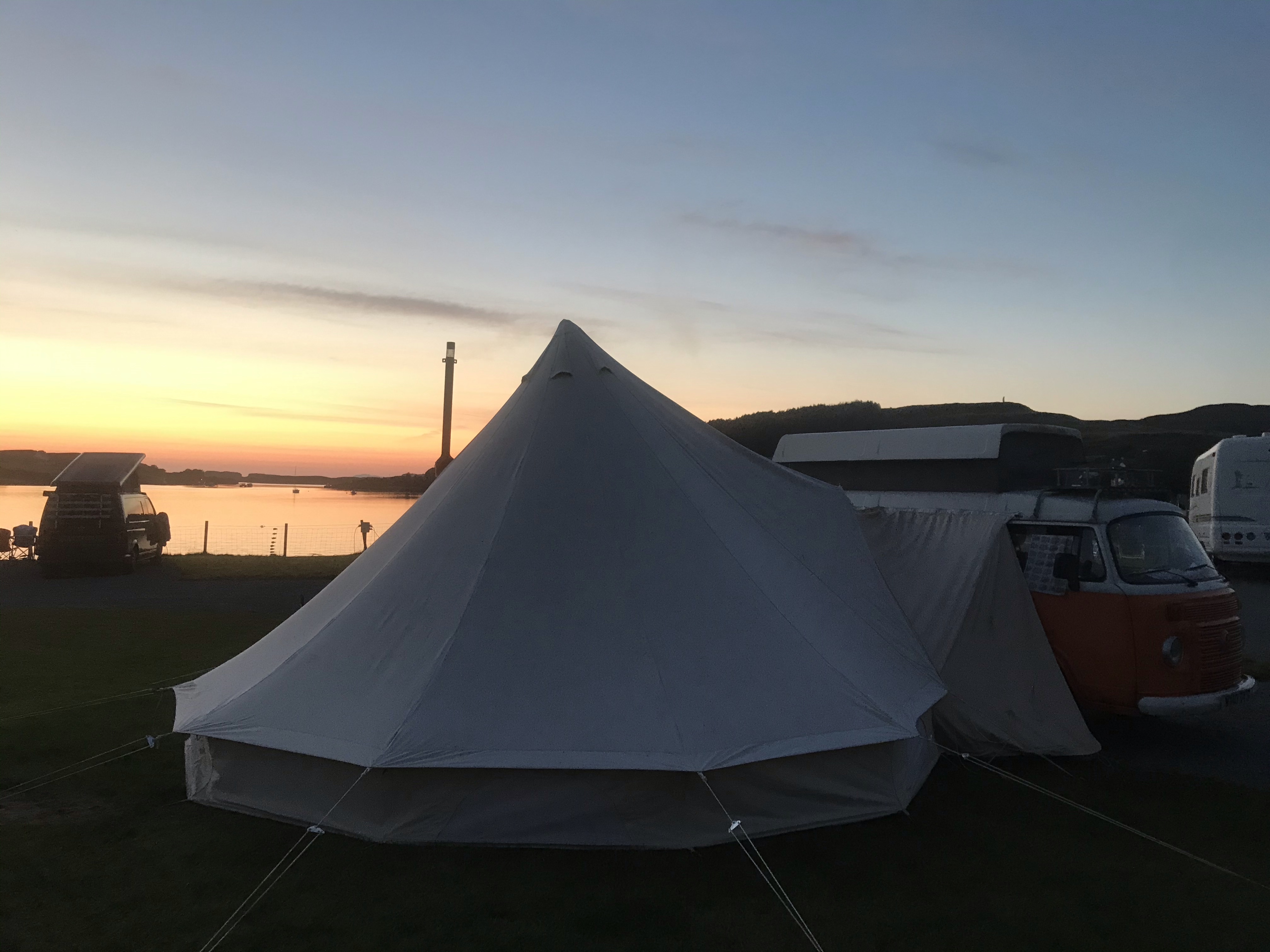
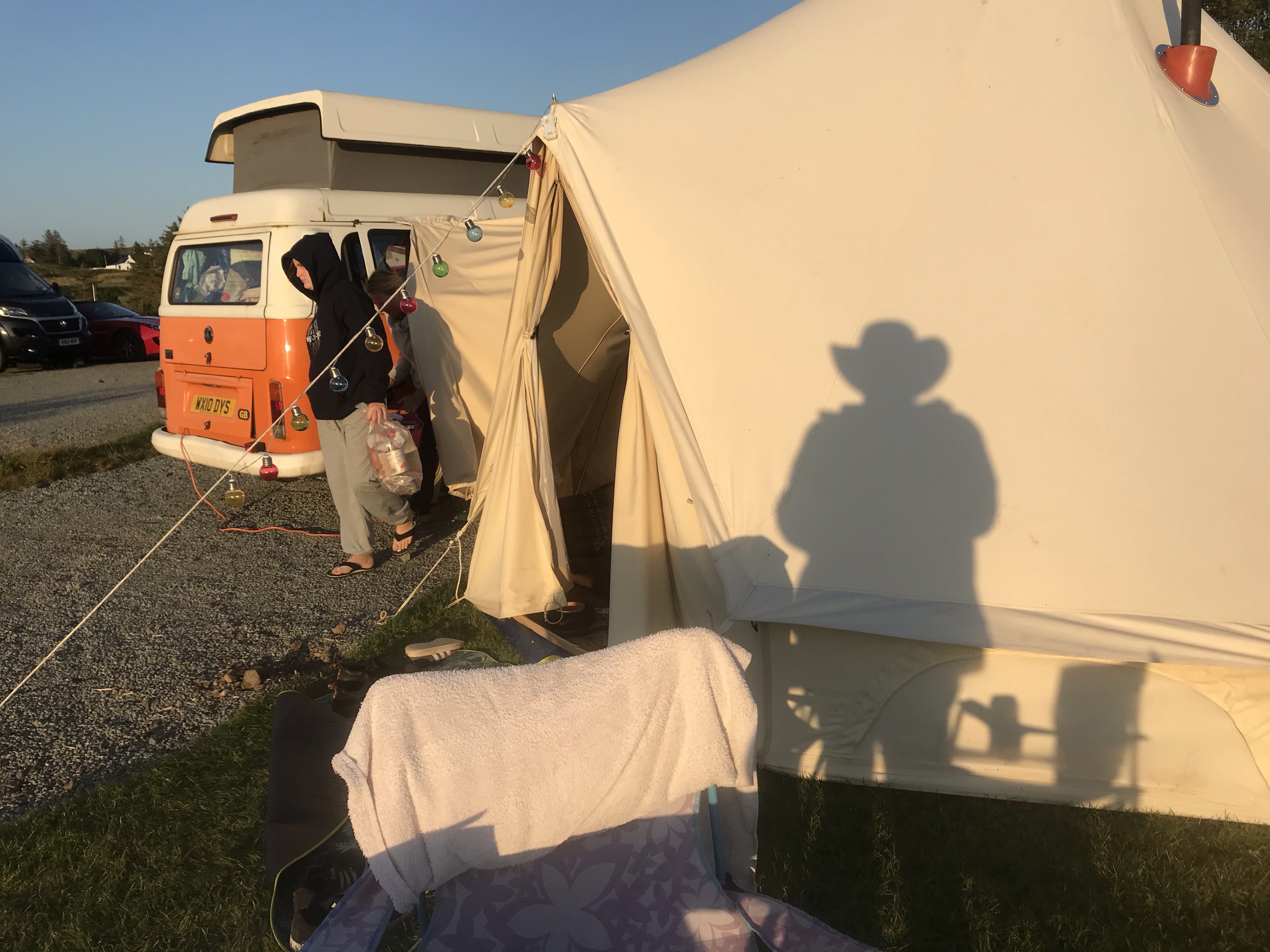
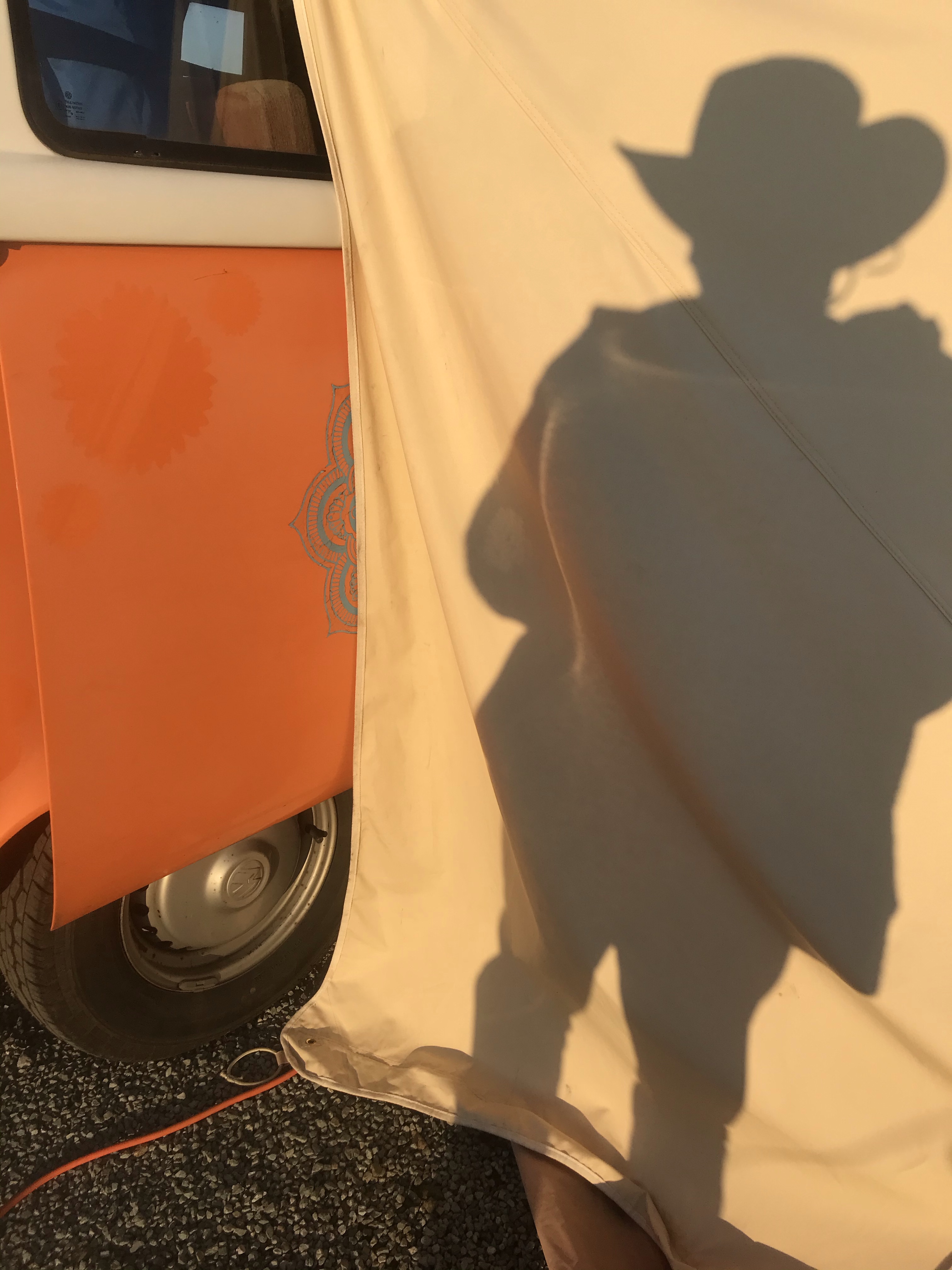
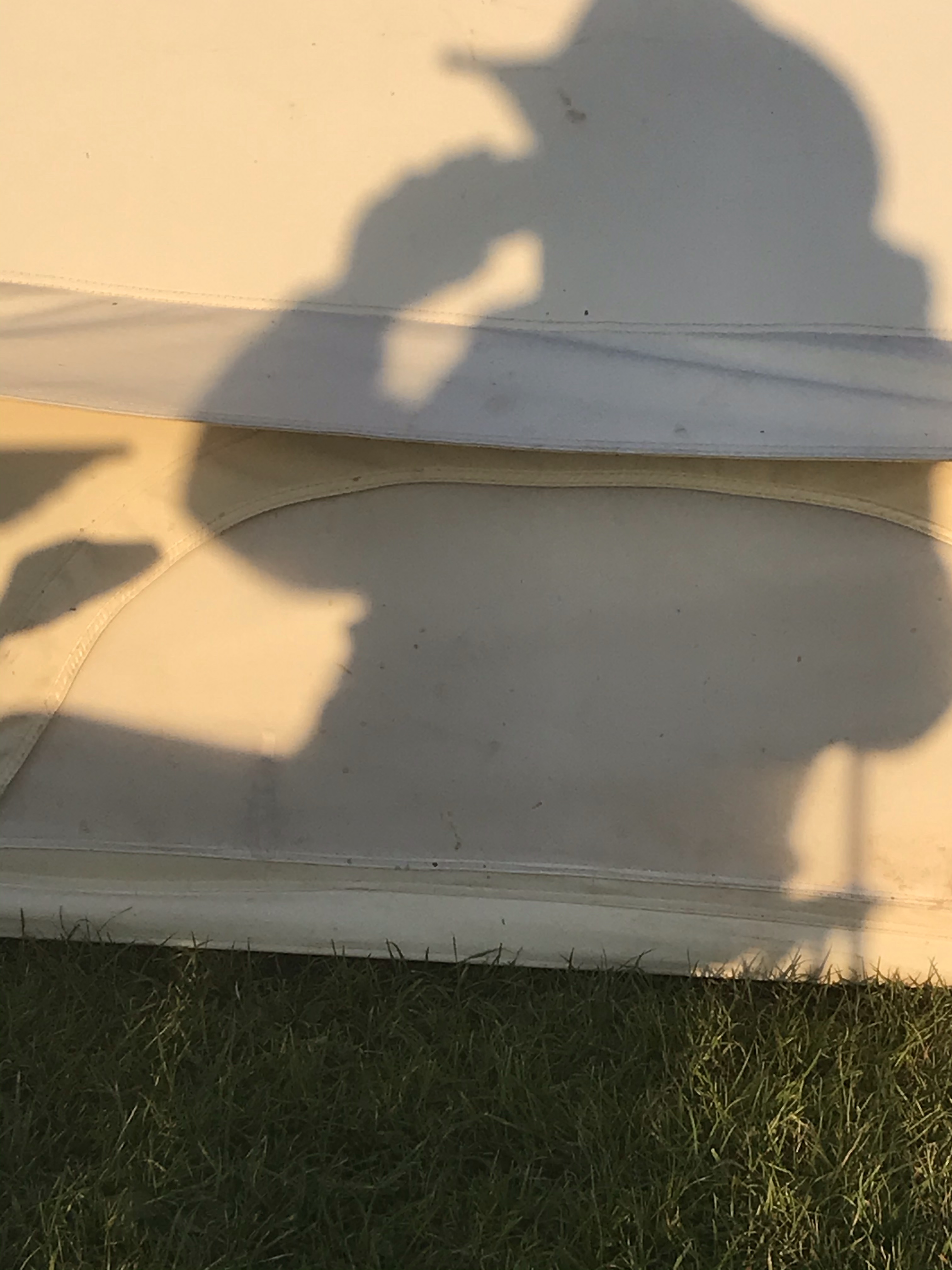
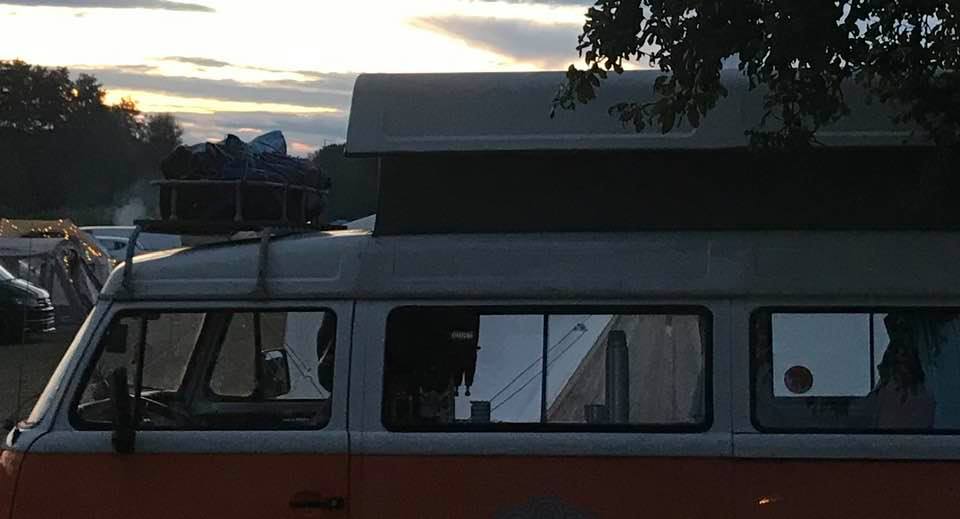
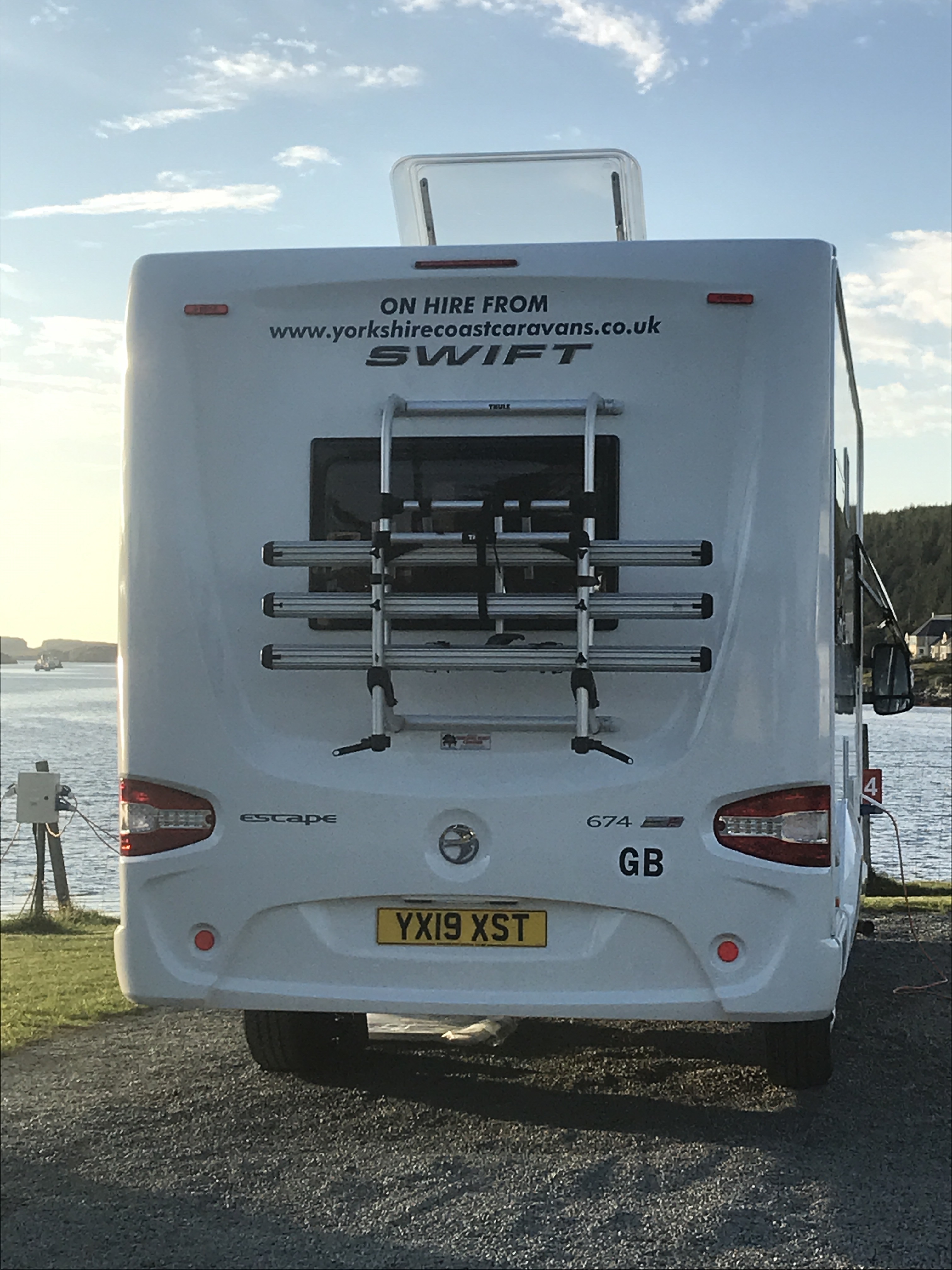
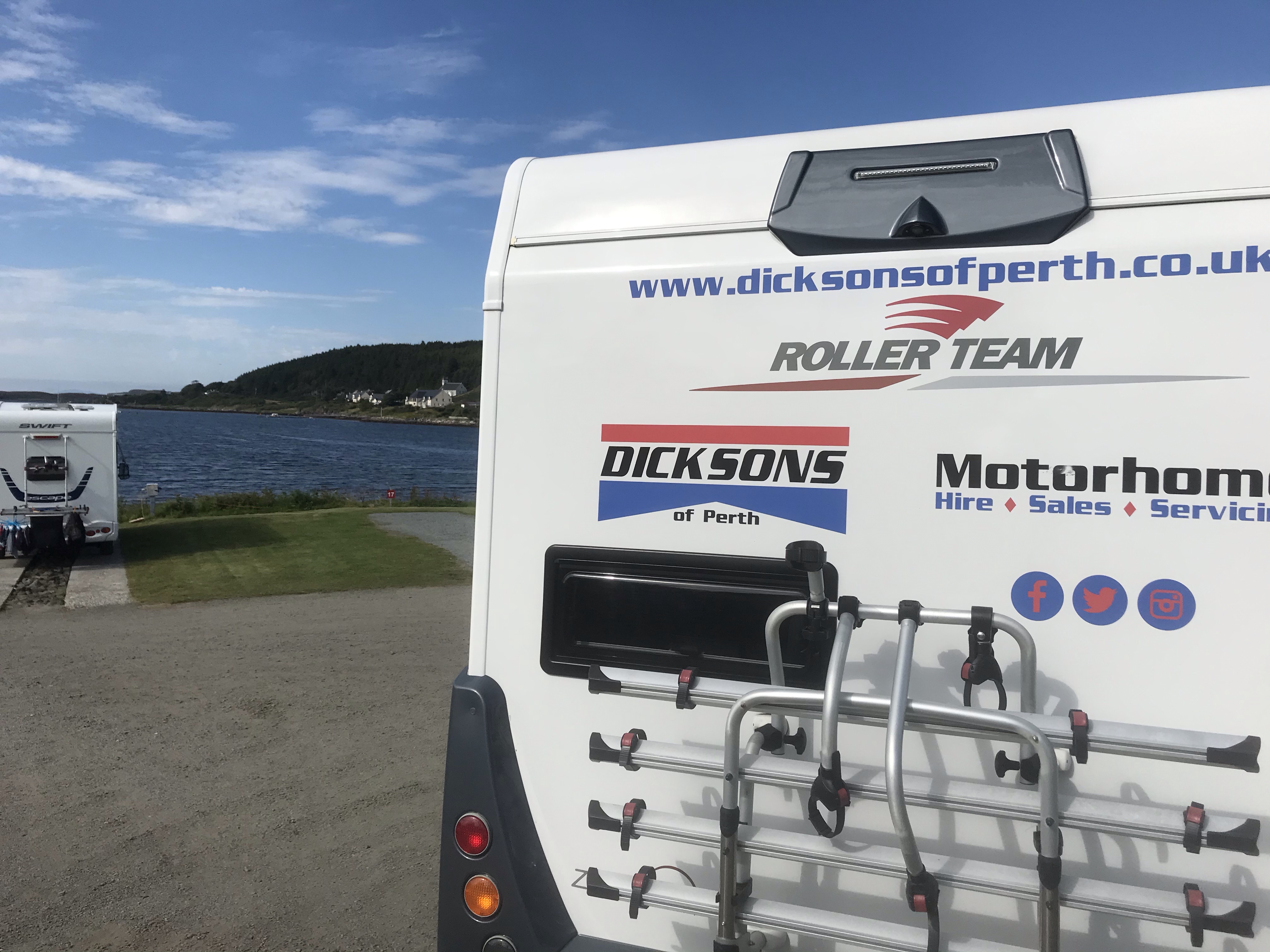
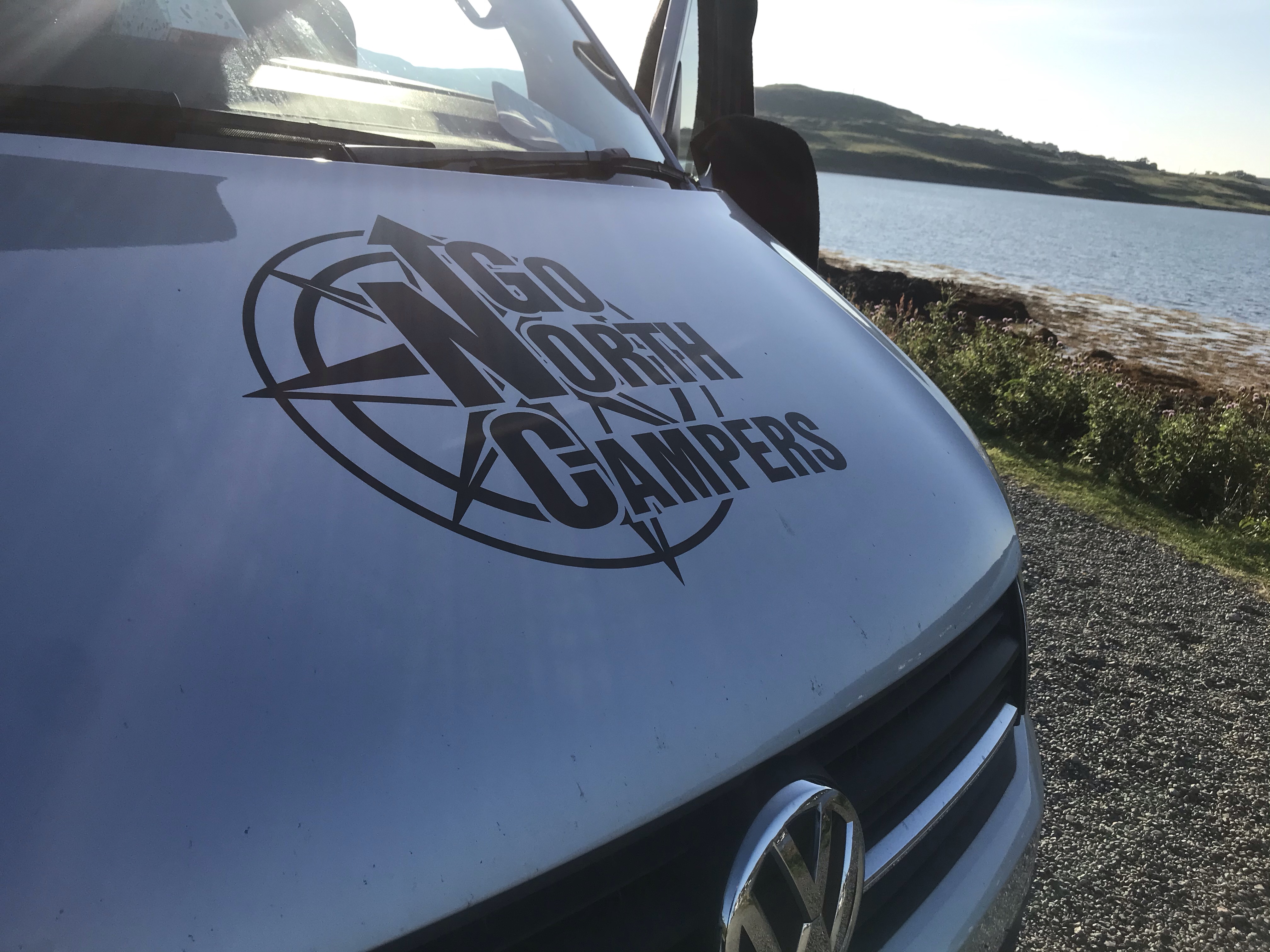
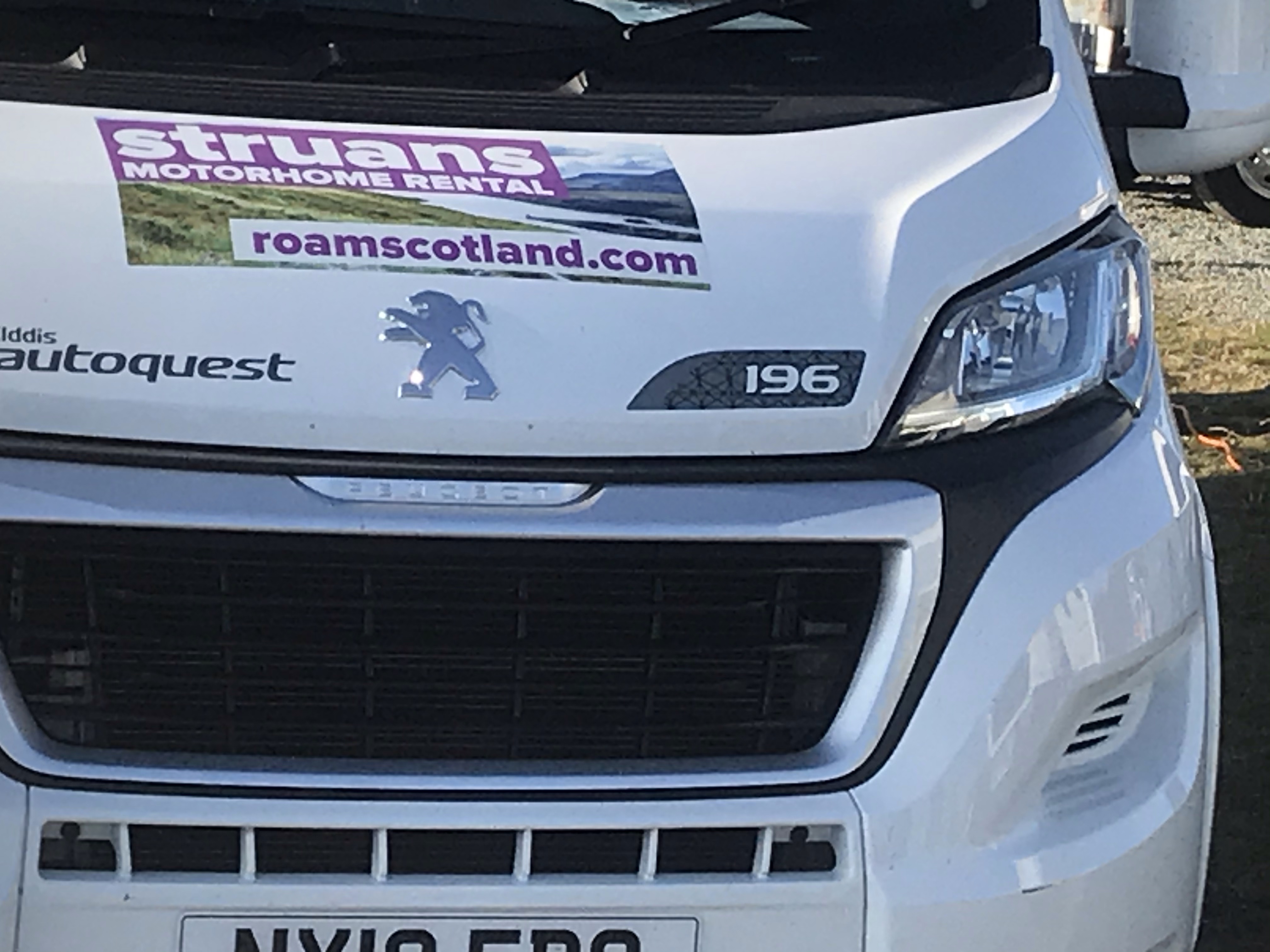
Due to the pandemic, it seemed, many people had opted to take their holidays without travelling abroad and there were a multitude of hired campers around. Some were crewed by first-timers, like the young couple who arrived next to us and draped fairy lights along the window sill behind the gas burners. She set light to a frying pan later that night. And then there was the toilet tent that was set up to provide a perfect shadow puppet theatre of the doings in the afternoon or evening sunlight. I was quite impressed by the number of hire companies available, so went around one afternoon taking photographs of as many as I could spot on site.
Scotland did offer some interesting culinary fare: I’m not talking of fresh salmon or fried battered Mars Bars. I’m talking haggis pokhoras spotted in Lidl and (more to my taste) imaginatively-named vege sausages…
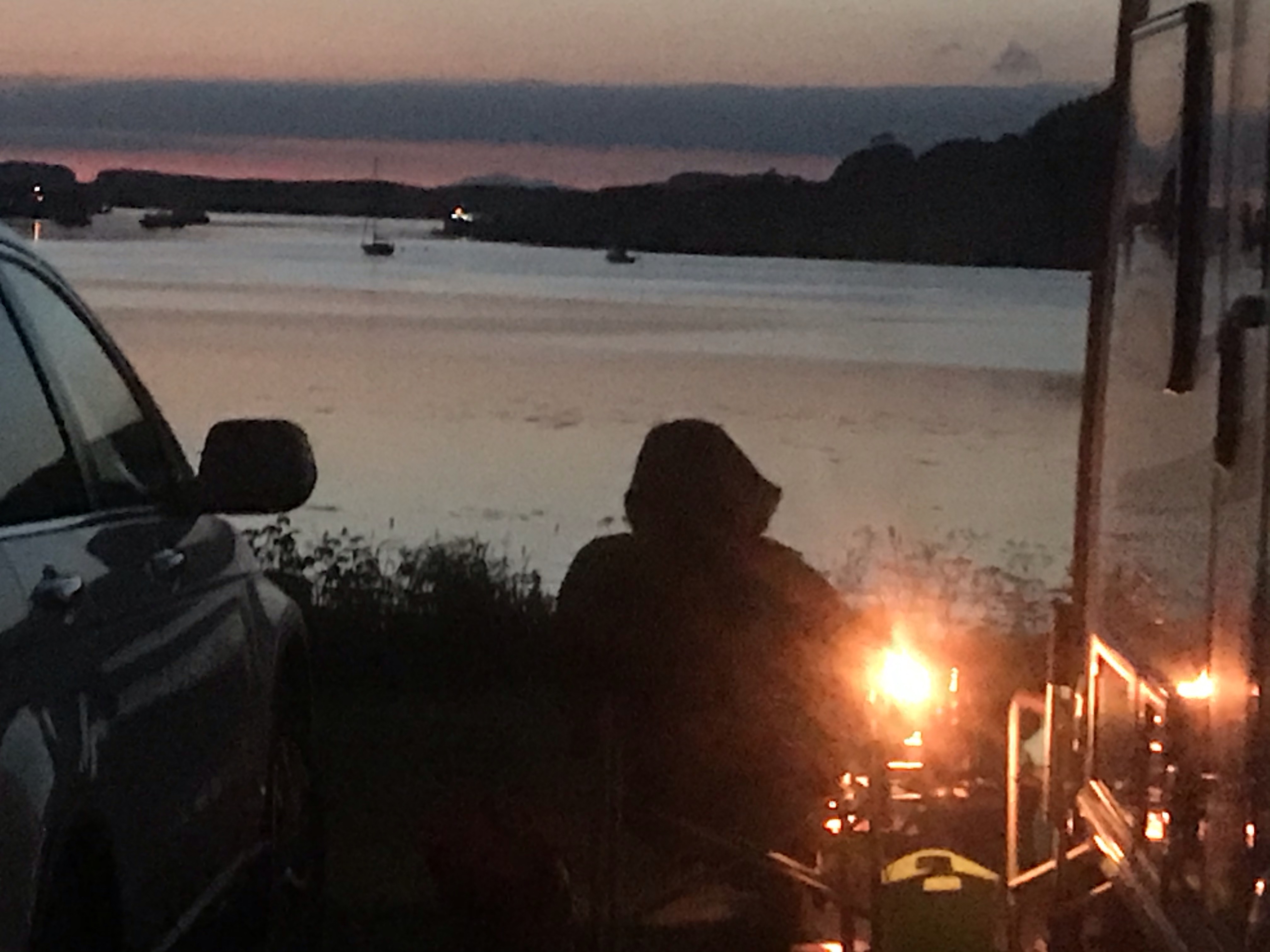
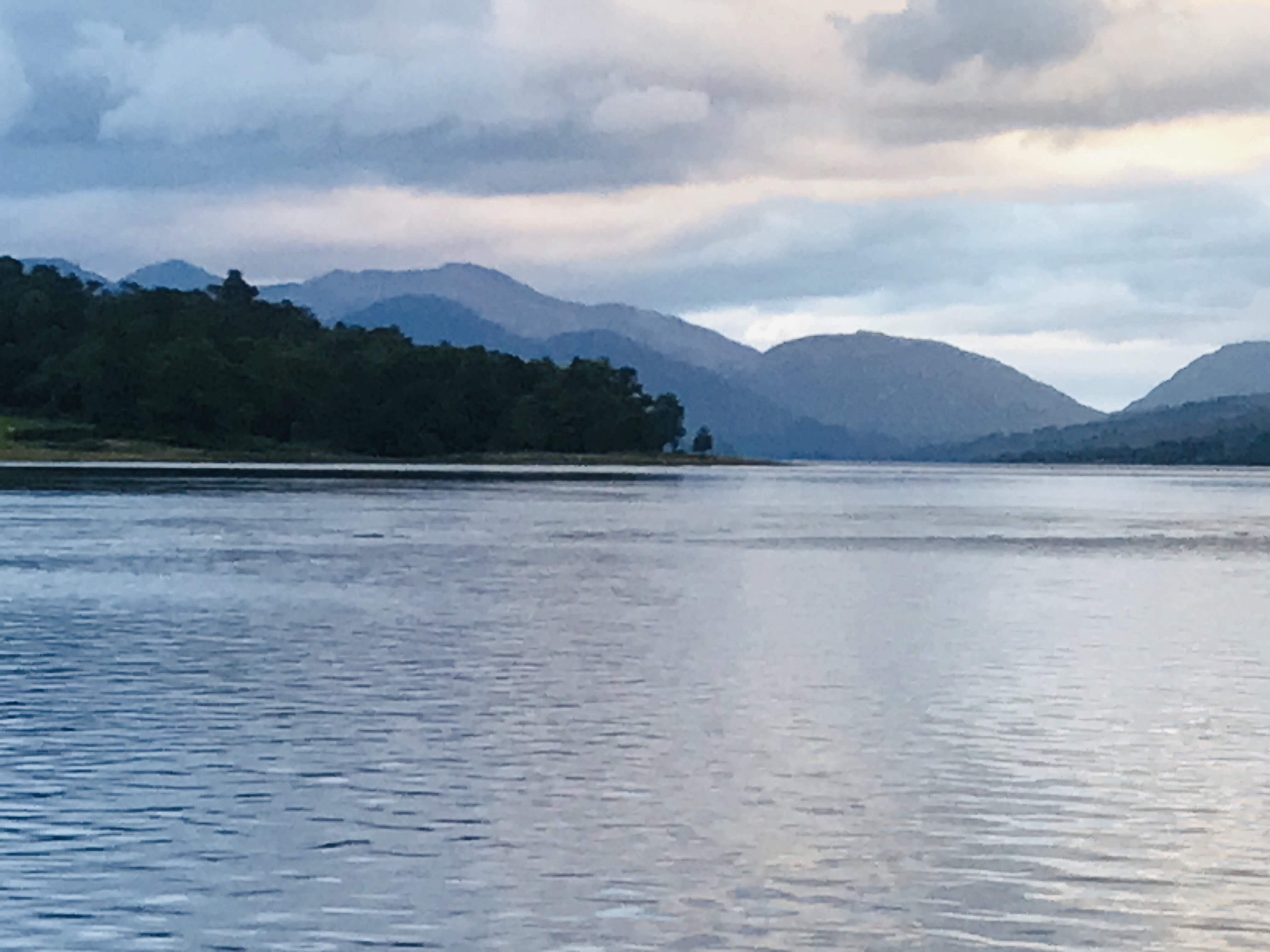
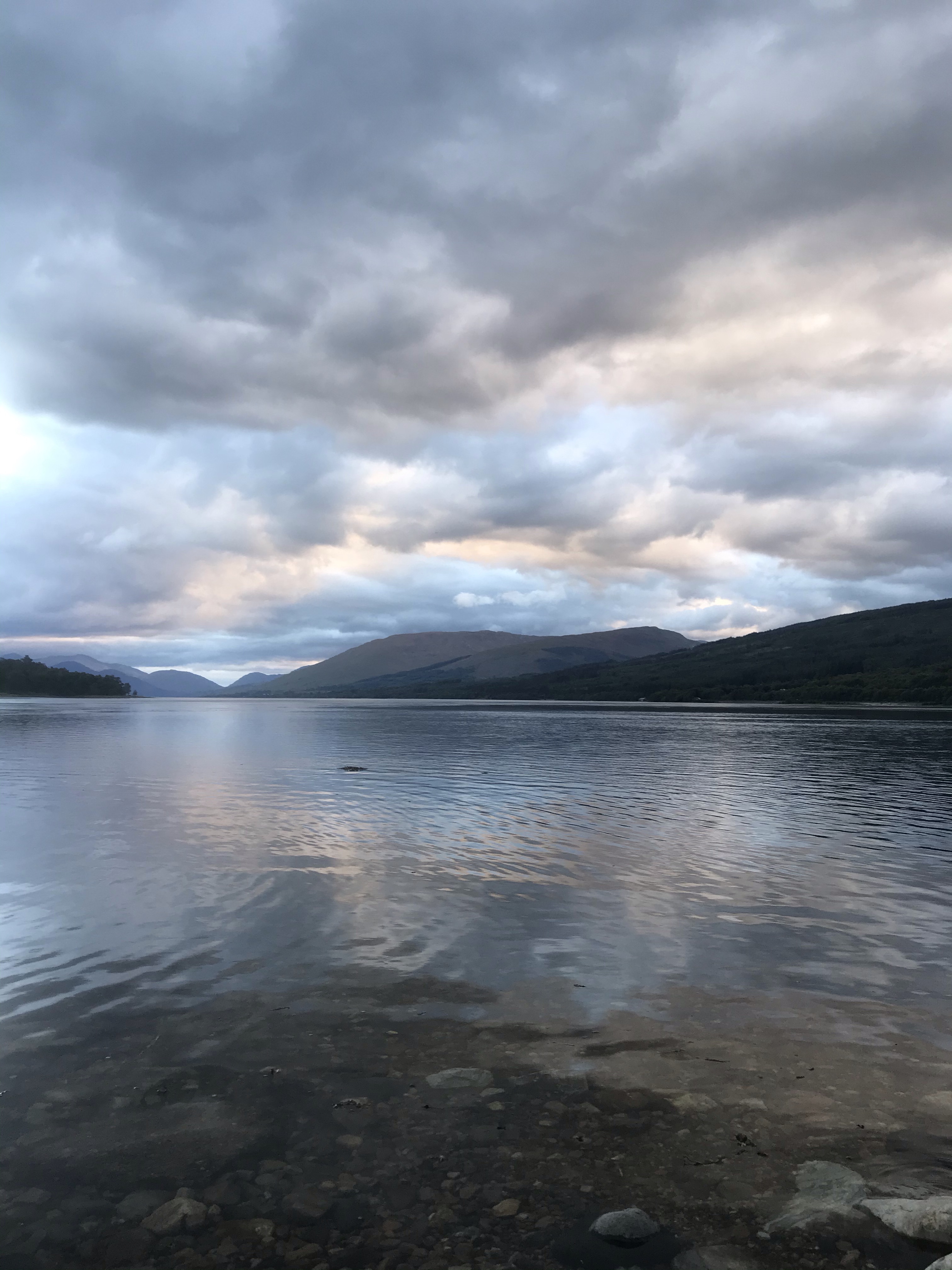
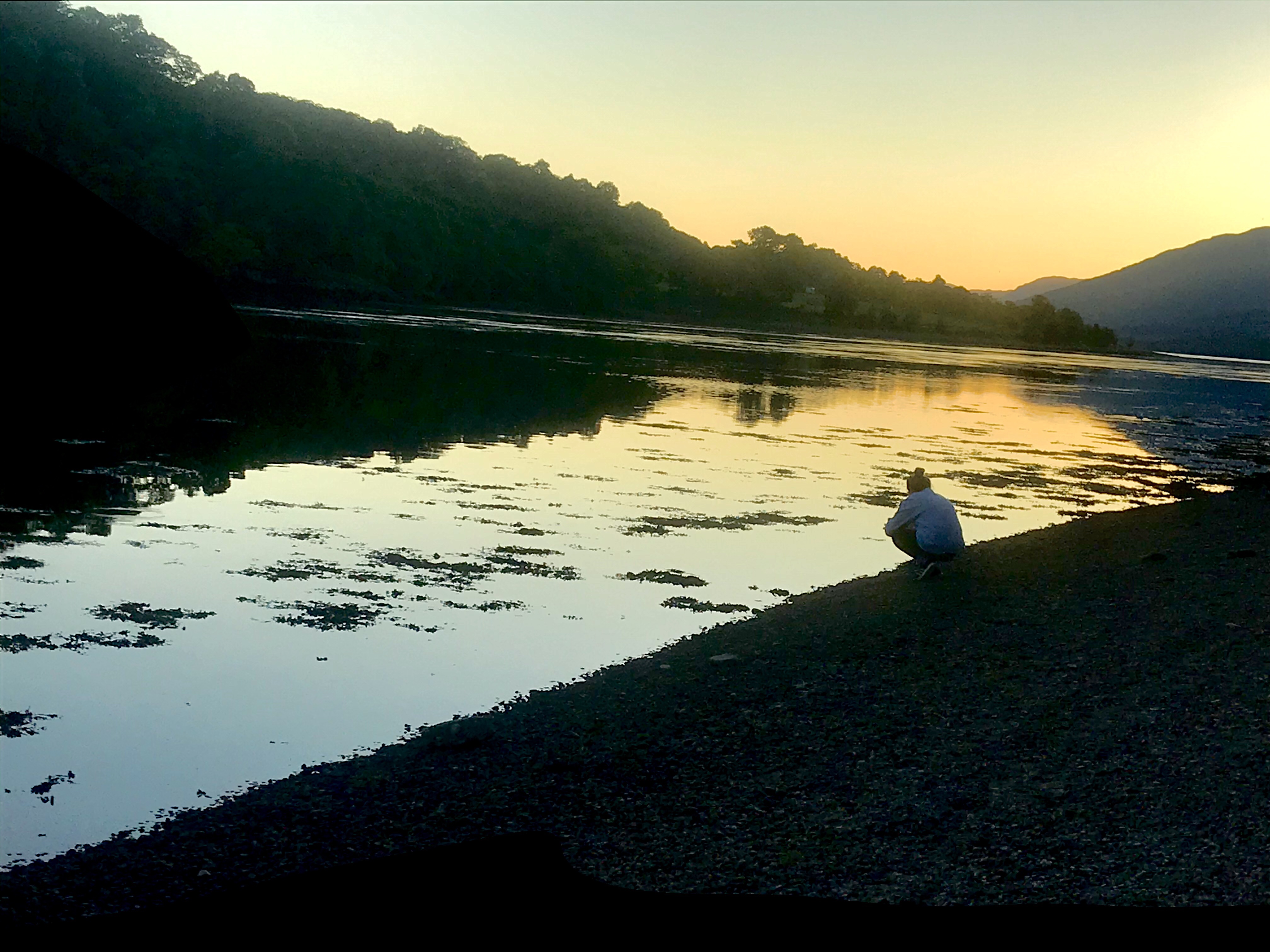
Although I bent a few pegs trying to put up the glawning, the lochside location was superb at Loch Linnhe and an evening sunset walk along its banks was worth all the little niggles.
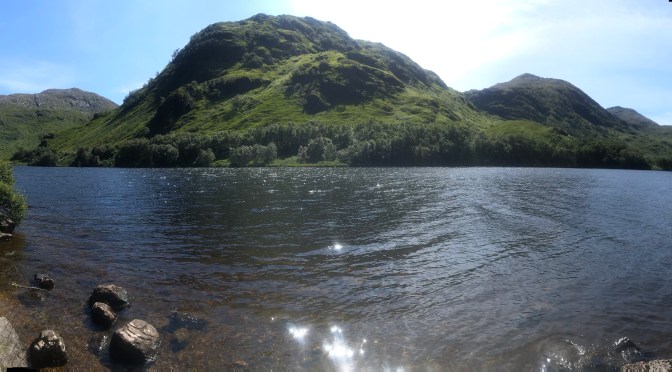
The area around Fort William is sublime. You have Ben Nevis, the Glenfinnan Viaduct (used for a famous scene from the Harry Potter and the Chamber of Secrets film, where Ron Weasley flies the car under its arches, chasing the steam train which now runs as a Harry Potter tourist attraction along the route) and enchanting towns like Mallaig, at the end of the line where we took a nature watching tour on a boat, spotting seals, porpoises and dolphins. Glenfinnan, at the top of Loch Shiel, is also famous for being the site of the 1745 Jacobite uprising led by Bonnie Prince Charlie and a monument here commemorates the event. But most people when we were there (including some dressed as Hogwarts students) were Harry Potter fans rather than revolutionaries.
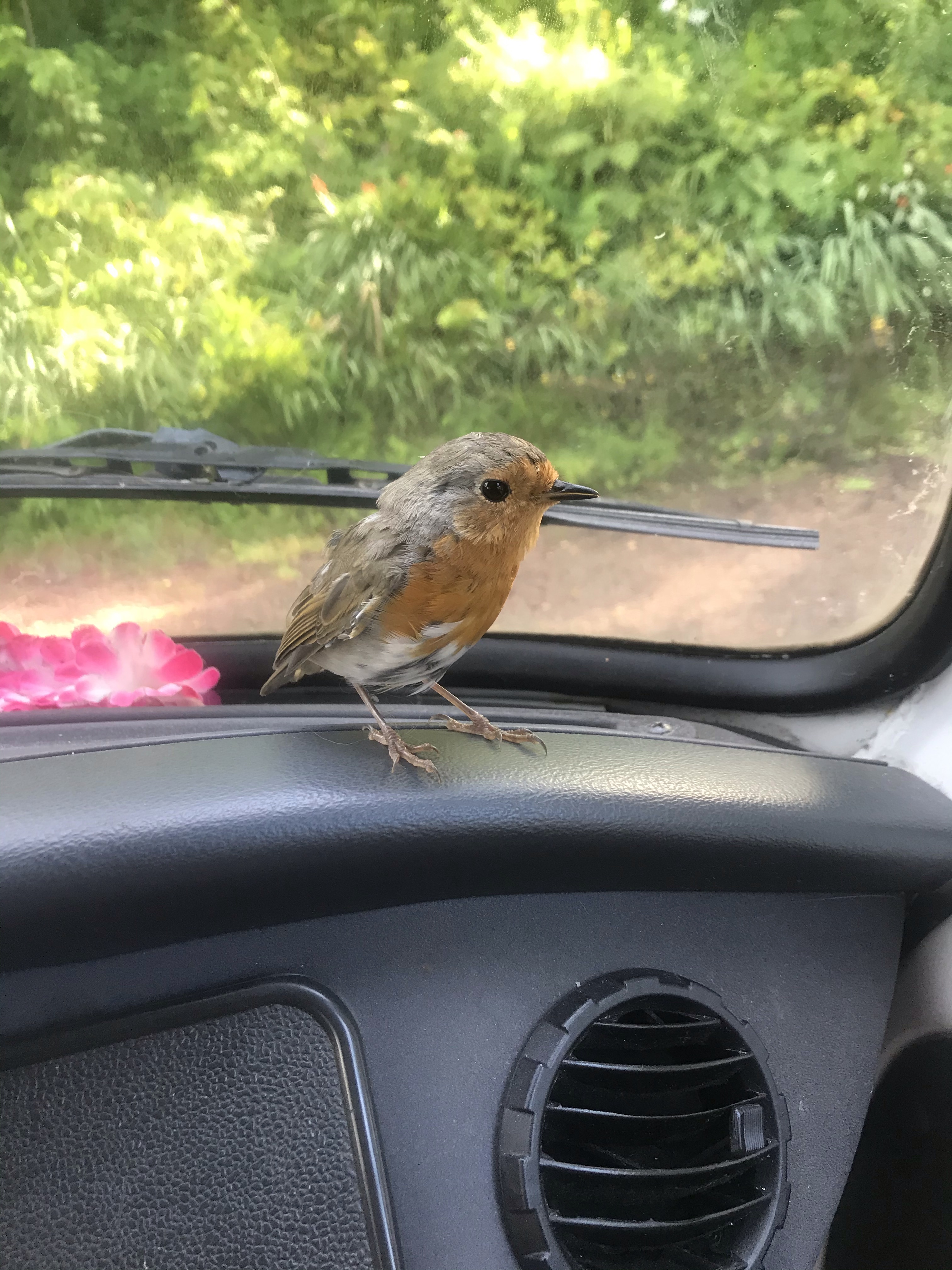
Back at the campsite the nature watching continues, with bats buzzing me in the evening. And then the curious robin, that had been inquisitively watching our doings for the past couple of days, finally got it a bit wrong and ended up stuck in Peaches when I returned from our (non-shadow-puppet-show) toilet tent the next morning.
The drive between Fort William and Mallaig gave us so many perfect lunch-spot stops, it was hard to choose where to stop.
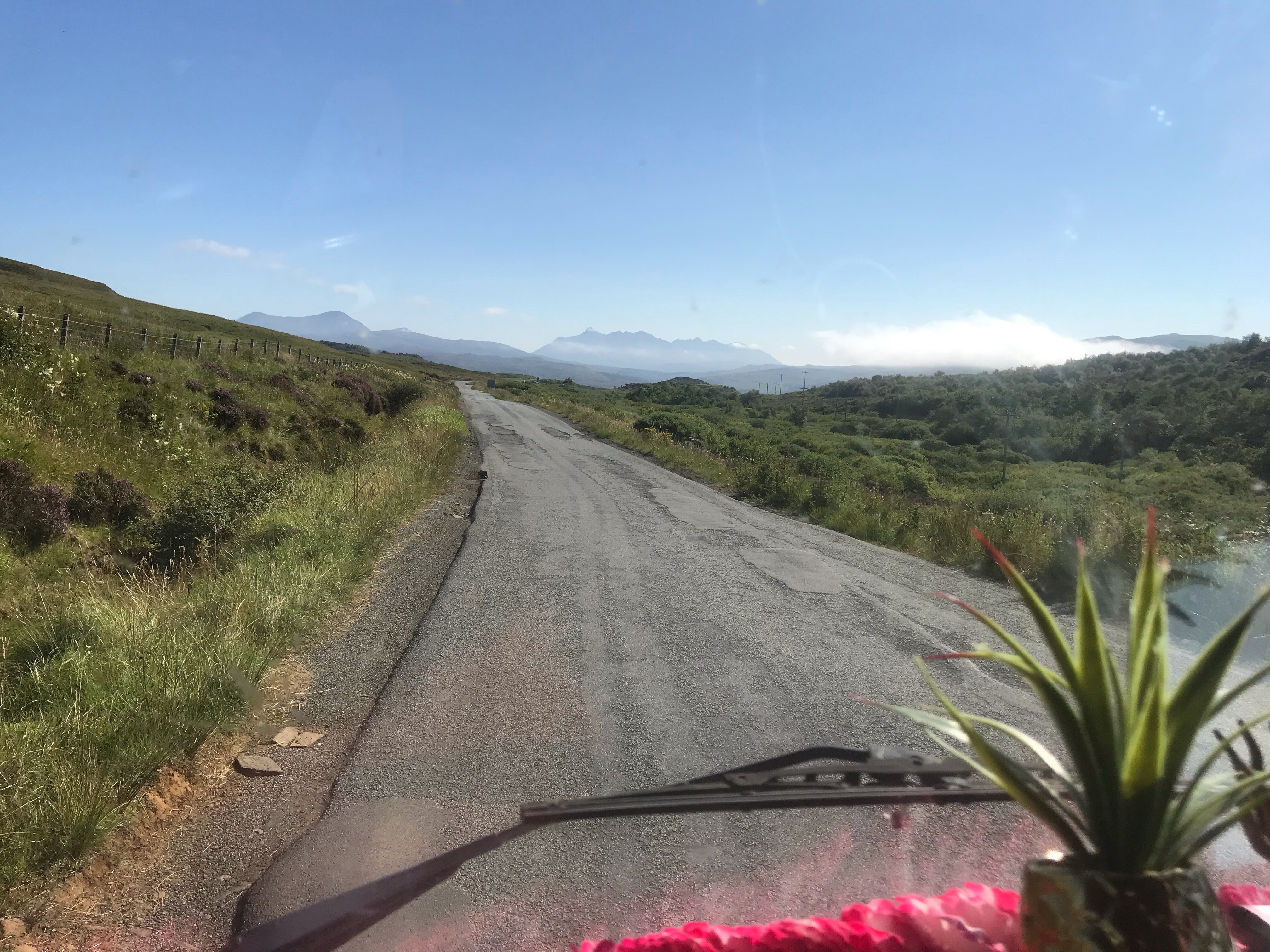
Driving around the highlands near Fort William was an absolute joy. The views from the cockpit were frequently stunning,
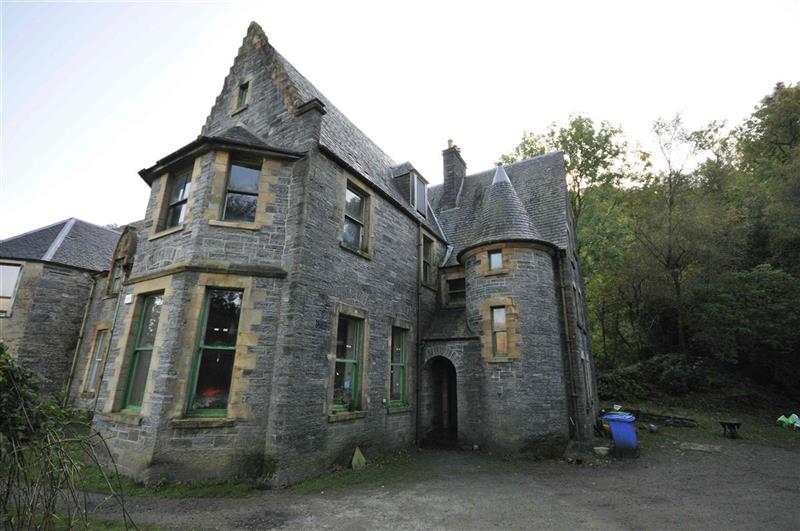
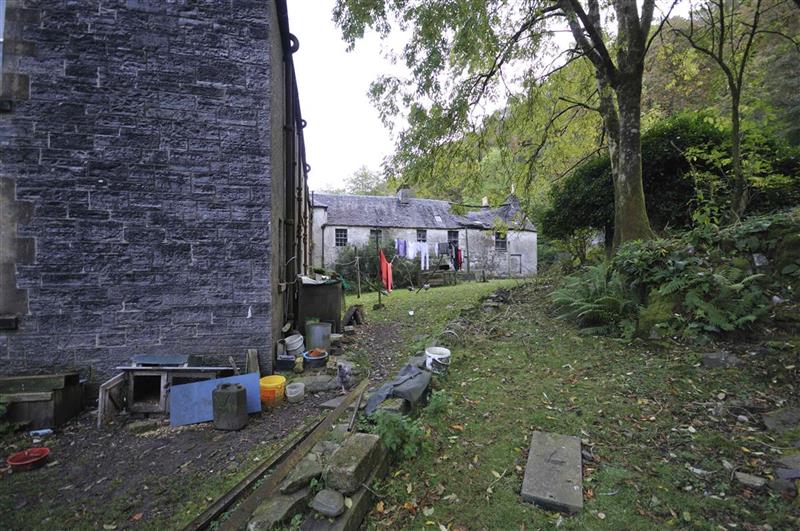
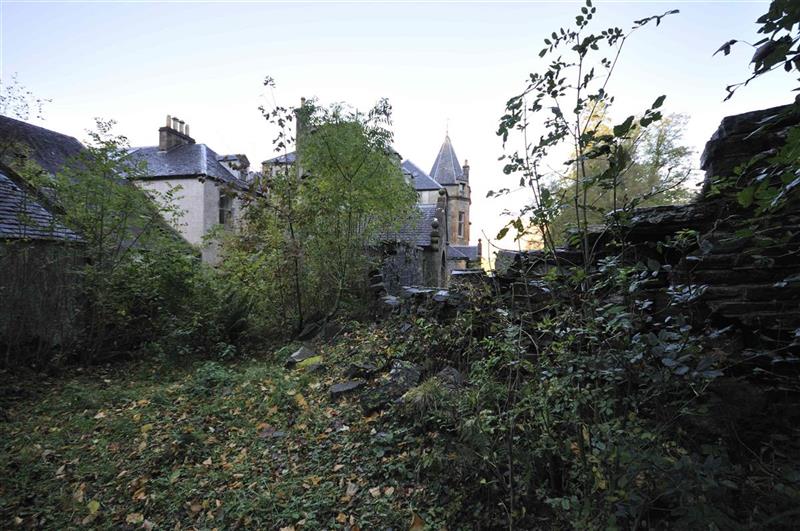
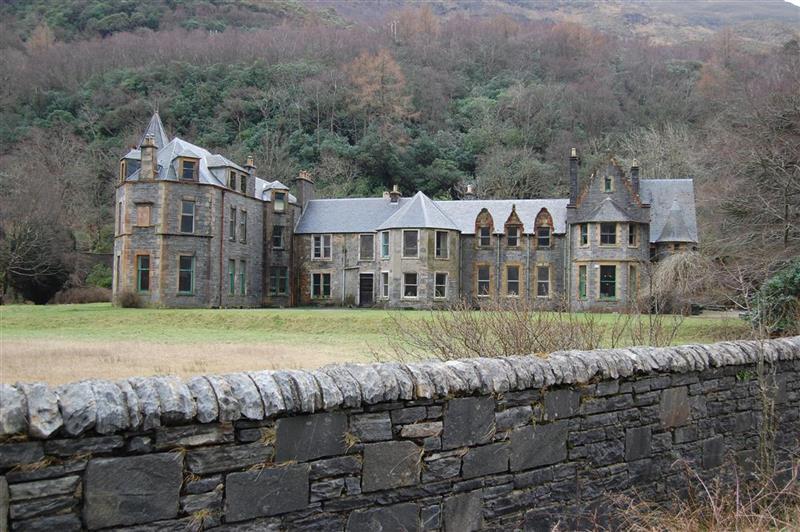
On one drive, we took a side road at the top of Loch Ailort in the village of Inverailort on a whim to find ourselves beside a spooky, abandoned gothic-looking mansion, worthy of any Harry Potter mysteries and instantly it bought up so many questions. The place had an air of tragedy and loss which I could not put my finger on. Who owned it? Why was it now derelict and boarded up? Who still cut the sweeping lawns and what was its history? What stories could it tell? I had to find out more, so did a bit of searching.
Inverailort House is a hunting lodge built for MacDonald of Clanranald and dating back to the mid-eighteenth century, possibly earlier – the house is notable for the number of additions which make no attempt to blend in and the core could well date back to the 1600s. It was substantially enlarged on a number of occasions between 1828 and 1880 by Major General Sir Alexander Cameron. It was subsequently owned by James Head, a director of several shipping lines, who married into the Cameron family in 1890. In the late 19th Century, Christine Cameron, the wife of James Head, was a keen photographer. She took many photographs of the house and surrounding area. Most of the glass plates were lost or destroyed when the military took over the house during World War II, but the surviving photographs have been published in a book. She is said to have died of a broken heart after much of the contents of the house were badly damaged by the army when they emptied it. At the start of the war, Christine Cameron of Lochailort House was told that it would probably be requisitioned so it would be best to offer it as a hospital or a school, but she would not listen. Whilst in London she received a telegram to say that the whole house and estate had been requisitioned. She returned as quickly as possible but all the furniture had been loaded into lorries and taken to Fort William for storage. No inventory was taken. There were storms which had washed away some bridges so three of the lorries unloaded the antique furniture and used it to bridge one of the rivers. When she learnt about this she had a heart attack and went to stay with a relative. She died some time later. The subsequent owner, Francis Cameron-Head, died in 1957 and his widow lived at Inverailort until her death in 1994. Her companion Barbara Mackintosh continued to live at the house until she died in 2015. Her obituary in the Daily Telegraph tells her interesting story:
Barbara Mackintosh is described in her obituary as a “Hostess and post-mistress and last chatelaine of Inverailort Castle.” For more than half a century, she and her friend and companion, the late Mrs Lucretia Cameron-Head, dispensed old fashioned Highland hospitality.
The 50-room house, resembling a cross between Kensington Palace and Paddington Station, is the accretion of several centuries and stands near the head of Loch Ailort between Fort William and Mallaig. Originally one of MacDonald of Clanranald’s old shooting lodges, it was enlarged in 1828 by Major General Sir Alexander Cameron with the proceeds of a military pension, a propitious marriage and French loot brought home from the Battle of Waterloo. It went on to acquire east and west wings under the ownership of James Head, a director of several shipping lines who married into the Cameron family in 1890 and died in 1922.
In 1940 Inverailort and its 12,000 acres was requisitioned by Lord Lovat and David Stirling as a Special Training Centre – out of which was born Britain’s first Commando unit. The Cameron-Heads (who had amalgamated their names in 1910) watched impotently from the nearby Lochailort Inn as their pictures, china and furniture were carted off in Army trucks. Within days the entire estate was converted to a barracks and assault course for 3,000 commandos.
When the war ended, the Cameron-Heads’ sole heir, Francis, returned with his young bride Lucretia to take up residence. They described what they found as “a broken-down Victorian biscuit factory”, but went on to turn it into the living heart of the local community.
Since the River Ailort was well-known for its early run of sea trout and the deer forest was one of the best in the West Highlands, there were seldom fewer than 20 guests in the house for 11 months of the year, despite the rooms being, in the words of an American journalist, “as cold as the kiss of death”. Passers through might include cabinet ministers, crofters, playwrights, fish-farmers, television presenters and even the odd Russian Prince. A regular guest at dinner was a Roman Catholic priest who had called in to say Mass in the Castle chapel and had simply stayed on.
When Francis Cameron-Head died in 1957 his widow (“Putchie” to all who knew her) invited Barbara Mackintosh to join her as a companion and general factotum in running Inverailort. Old-fashioned standards continued to be strictly maintained. An unmarried Australian couple were ferried to different railway stations and put on separate trains to London after they had been found sharing a bath. When another unmarried couple, vaguely related to Putchie, turned up wanting a bed for the night, they were briskly dispatched to single rooms at opposite ends of the house, while a guest in a bedroom midway between the two was instructed to get up and intervene if he heard the floorboards creaking during the night.
Barbara Mackintosh was born in Kinross on October 13 1931 and was descended from a Thomas Mackintosh who sailed with Captain William Bligh on Bounty. Her father and grandfather were doctors and landowners and from them she inherited a strong interest in medicine and healing.
She was educated at Ochtertyre House, an exclusive girls’ school outside Crieff in Perthshire.
Little is known of her early life but upon her arrival at Inverailort she quickly blossomed as the ideal co-hostess, major domo, housekeeper and hen-wife. To these duties were added maintenance of the local weather station for the Meteorological Office, and even running the local Post Office when it was relocated to the morning room following the Royal Mail’s decision to withdraw its services.
Although rather shy, she loved a good party and earned something of a reputation for her mischievous sense of humour. She also had a great love of animals. If she was away from home when chickens were due to hatch, she would carry the eggs around in her coat pockets to prevent them from going cold. She also cared for a large colony of cats that patrolled the castle, keeping it free of vermin, including “Paul” (named after Pope John Paul II), who was rechristened “Paul Paisley” after taking over the manger of the hall crib and throwing out the baby Jesus.
Following Putchie’s death in 1994, Barbara carried on living at the castle, entertaining visitors, welcoming former commandos and continuing her duties for the Met Office and the Royal Mail. She is survived by her beloved orange poodle, William, an orphaned greyhound , two geese, six guinea pigs and 50 hens.
Barbara Mackintosh, born October 13 1931, died April 3 2015
This kind of explains why there is a pet cemetery in the grounds of Inverailort House.
But the history got better. As a teenager, I had read the autobiographies of David Niven (“The Moon’s a Balloon” and “Bring on the Empty Horses”). He appeared in a great many films such as the Pink Panther Movies, Around the World in Eighty Days, Casino Royale (as James Bond), the Guns of Navarone and a great many others. Only a gentleman of such refined bearing and a certain face could carry off a moustache such as his and he was something of a hero to me in my youth, even though many incidents from his autobiographies were recounted from a first-person perspective, but actually happened to other people, especially Cary Grant, which he borrowed and embroidered. And I could never carry off a moustache such as his.
Niven had connections to Inverailort House.
During the Second World War, Inverailort was one of a few mansions in the area used as a training base by agents of the Special Operations Executive. Here British agents were taught ruthless techniques of intelligence gathering, sabotage and survival which were later directly adopted by the CIA. One of those based there was David Niven.
Niven had been at Sandhurst and in 1930 left, commissioned as a second lieutenant in the British army. He did well at Sandhurst, which gave him the “officer and gentleman” bearing that was his trademark. He was assigned to the Highland Light Infantry but grew tired of the peacetime army. He saw no opportunity for further advancement so resigned after a lengthy lecture on machine guns, which was interfering with his plans for dinner with a particularly attractive young lady. At the end of the lecture, the speaker (a major general) asked if there were any questions. Showing the typical rebelliousness of his early years, Niven asked, “Could you tell me the time, sir? I have to catch a train.”
After being placed under close-arrest for this act of insubordination, Niven finished a bottle of whisky with the officer who was guarding him: Rhoddy Rose (later Colonel R. L. C. Rose, DSO, MC). With Rose’s assistance, Niven was allowed to escape from a first-floor window. He then headed for America. While crossing the Atlantic, Niven resigned his commission by telegram on 6 September 1933.
The day after Britain declared war on Germany in 1939, Niven returned home and rejoined the British Army. He was alone among British stars in Hollywood in doing so; the British Embassy advised most actors to stay.
Niven was recommissioned as a lieutenant into the Rifle Brigade and was assigned to a motor training battalion. He wanted something more exciting, however, and transferred into the Commandos. He was assigned to a training base at Inverailort House.
During the war, when about to lead his men into action, Niven eased their nervousness by telling them, “Look, you chaps only have to do this once. But I’ll have to do it all over again in Hollywood with Errol Flynn!” Asked by suspicious American sentries during the Battle of the Bulge who had won the World Series in 1934, he answered, “Haven’t the foggiest idea, but I did co-star with Ginger Rogers in Bachelor Mother!”
Niven ended the war as a lieutenant-colonel. On his return to Hollywood after the war, he received the Legion of Merit, an American military decoration, presented by Eisenhower himself.
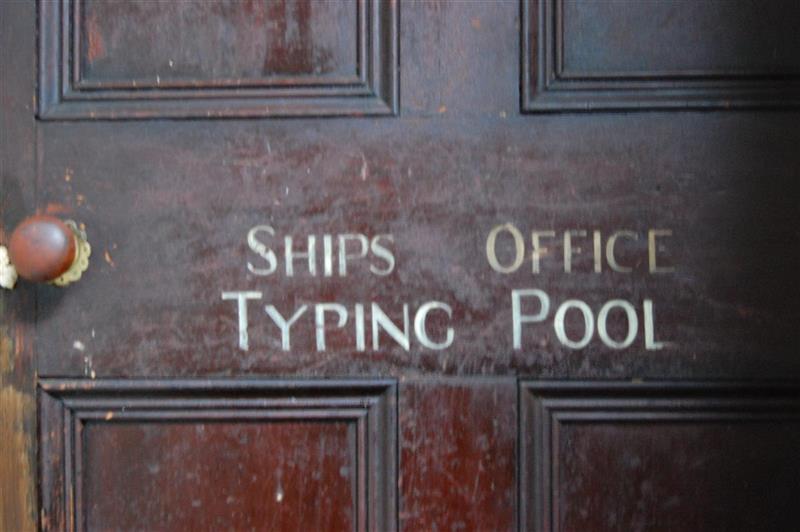
So the tragedy I felt stemmed from the fact that Inverailort House had been requisitioned by the War Office at the end of May 1940 for use in the training of irregular forces such as the SOE and as a direct result of this, reputedly, led to the death of the lady of the house from a broken heart. It had connections to a legendary British movie star who was also a decorated war hero. One curiosity of the interior is the untouched official signage confirming Inverailort’s significance as the Special Training Centre established here in 1940. The army moved out of the house on 20 August 1942 and it was then taken over by the Royal Navy when it became HMS Lochailort and was used for the training of naval cadet ratings to be officers on small craft used by Combined Operations. The Royal Navy moved out in January 1945.
I love a travel that sends you on a journey of discovery both in time and space. Thanks to Inverailort House I got plenty of that up in Fort William.
Stories of teaching and travelling. Mark Twain -Travel is fatal to prejudice, bigotry, and narrow-mindedness. Henry Miller – One's destination is never a place, but always a new way of seeing things.












































 WheatyPete's World